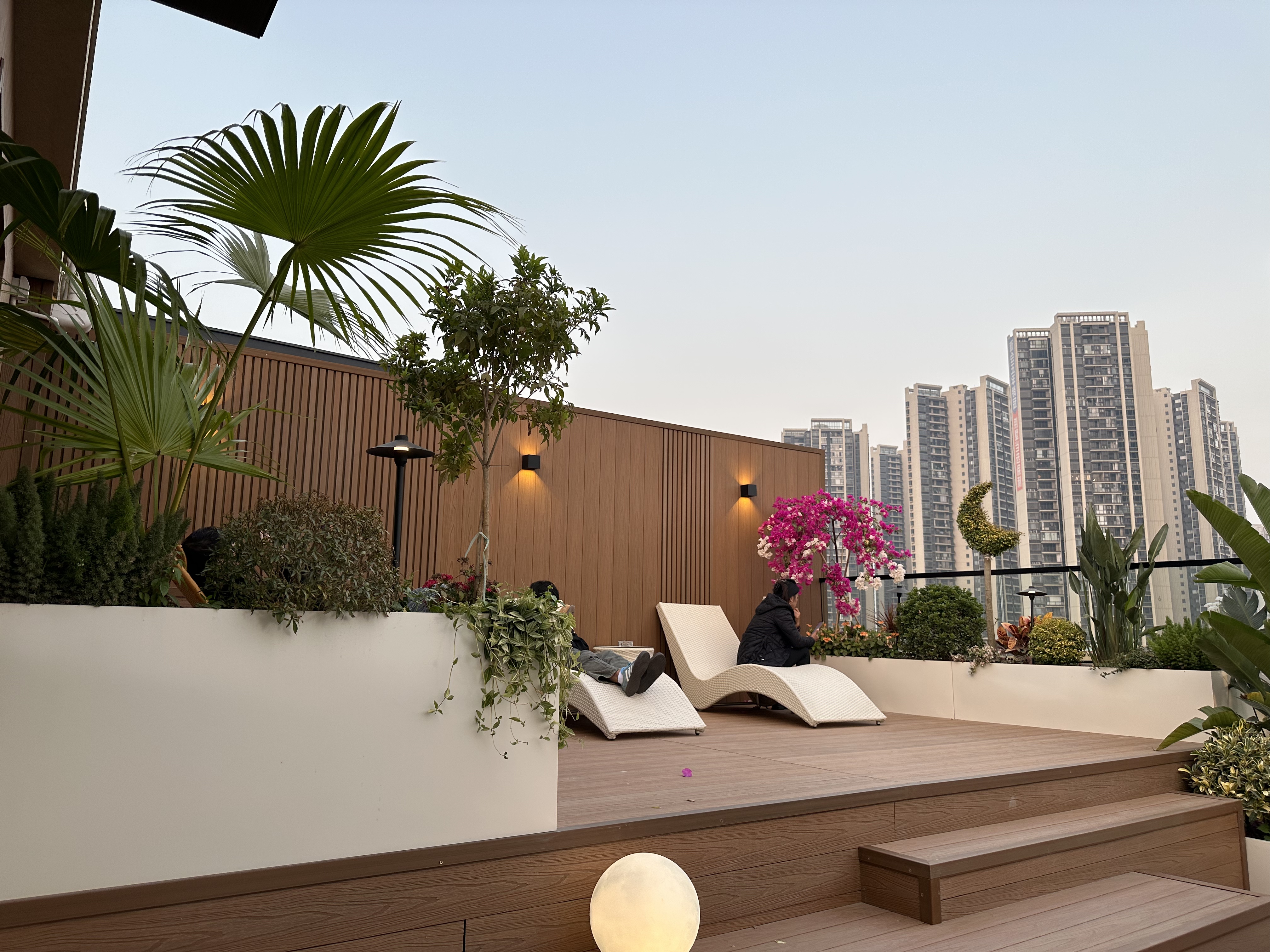
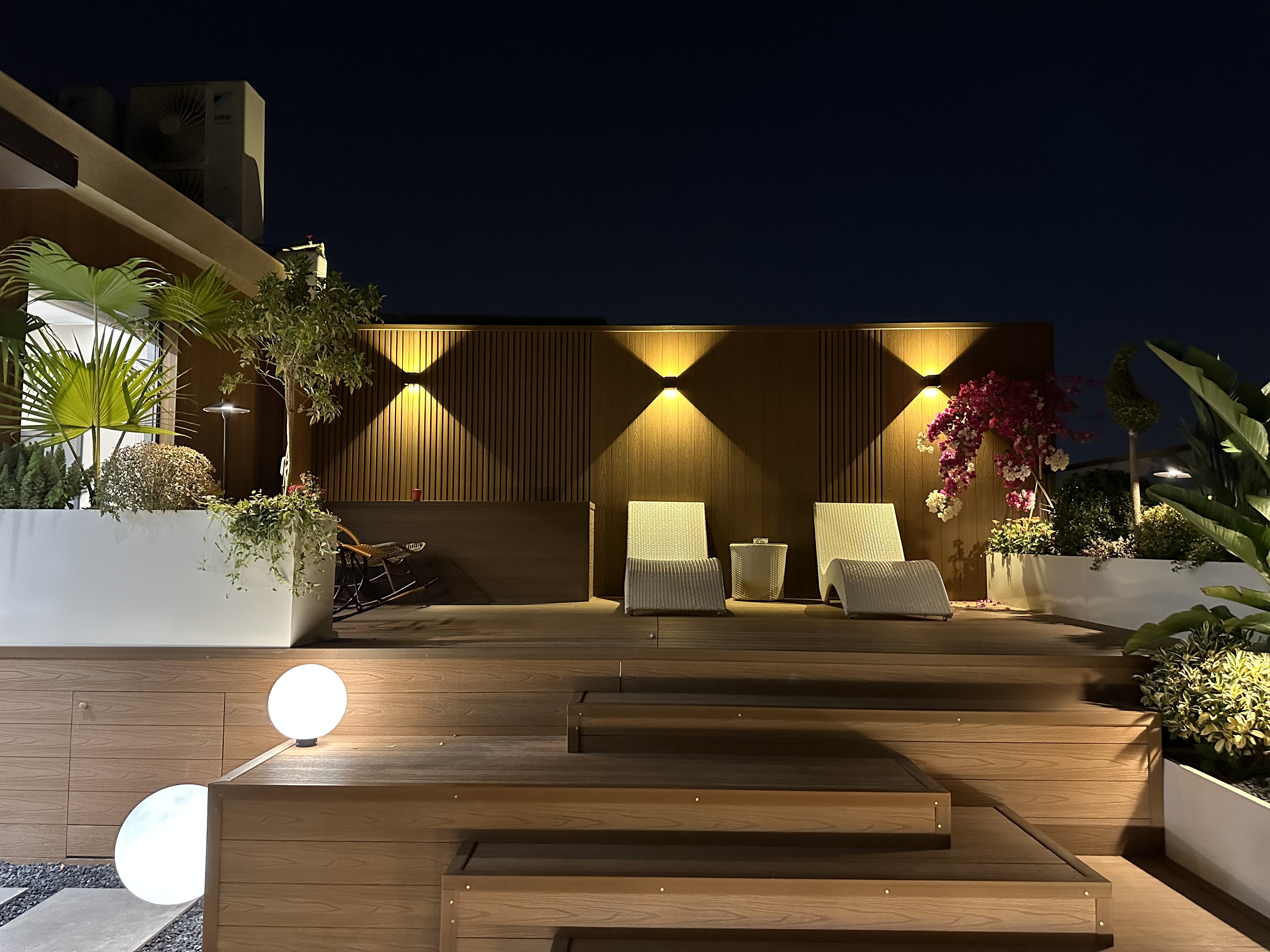
Evaluating Composite WPC Decking for Your Projects

application/composite-wpc-decking, application/composite-wpc-decking, 
Inquiry
Inquiry

Composite wpc decking

Composite WPC decking is an innovative building material that combines the durability of wood with the resilience of plastic, making it an ideal choice for outdoor applications. B2B buyers, such as purchasing managers and contractors, often seek reliable information on product quality, cost factors, and the advantages of composite materials versus traditional wood. This article will help you understand the essential considerations when evaluating, purchasing, and comparing composite WPC decking for your projects.

Wholesale Purchasing Benefits for Composite WPC Decking Suppliers

Wholesale Purchasing Benefits for Composite WPC Decking Suppliers

Purchasing composite WPC decking in bulk offers several advantages for distributors and contractors: 

Cost Savings: Bulk orders typically come with reduced pricing per unit. This can significantly decrease the overall project costs, especially for larger installations. 

Consistent Supply: By partnering with a reliable supplier, businesses can ensure a steady supply of decking materials, which is crucial for meeting project deadlines. A consistent inventory helps prevent delays and allows for better project scheduling. 

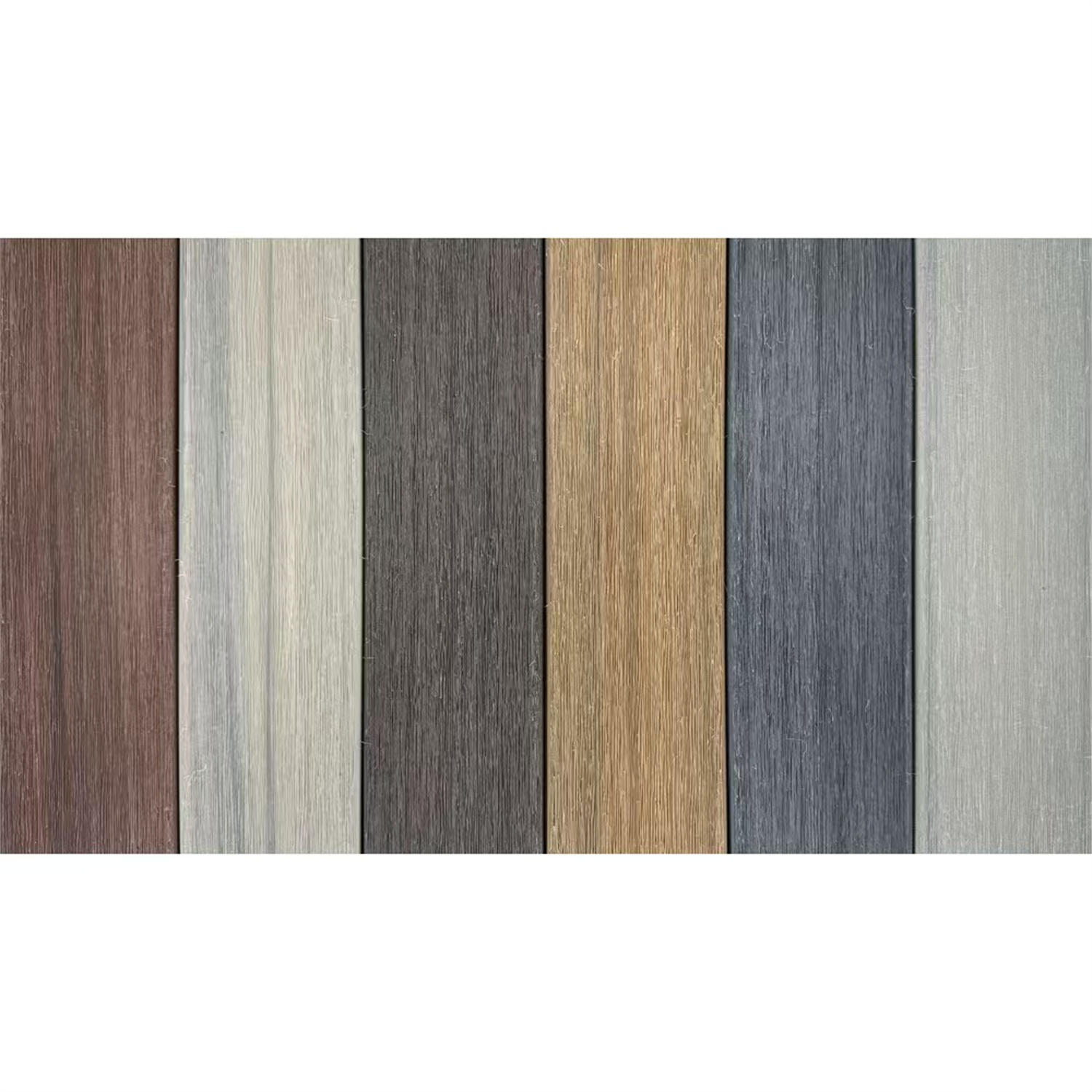
Customization Options: Many suppliers offer customization capabilities for bulk orders. This may include specific colors, finishes, or dimensions tailored to meet unique project requirements. Businesses can leverage these options to differentiate their offerings in competitive markets.  

Streamlined Logistics: Ordering in bulk simplifies logistics and shipping processes, reducing the complexities associated with managing multiple smaller orders. It also enables better planning for storage and inventory management. 

Cost Factors to Consider When Ordering Composite WPC Decking in Bulk

Cost Factors to Consider When Ordering Composite WPC Decking in Bulk

When calculating the total cost of composite WPC decking, several factors should be taken into account: 

Material Costs: The base price of the decking material is just one component. Ensure to factor in any additional costs for custom specifications or finishes. 

Shipping and Handling: Bulk orders may incur higher shipping costs, depending on the weight and volume of the order. Buyers should request shipping quotes from suppliers to understand the total costs involved. 

Minimum Order Quantities (MOQ): Many suppliers set minimum order quantities, which can impact the overall investment. Buyers should confirm MOQs before proceeding to ensure they align with project budgets and requirements. 

Installation Expenses: While composite WPC decking can reduce maintenance costs over time, installation expenses should also be calculated. Consider whether the project will require specialized labor or equipment, and factor those costs into the overall budget. 

Comparing Composite WPC Decking Options for Distributors and Contractors

Comparing Composite WPC Decking Options for Distributors and Contractors

Distributors and contractors should evaluate various composite WPC decking products based on specific criteria: 

Performance Characteristics: Assess how different products perform under varying environmental conditions. Factors such as resistance to moisture, UV stability, and overall durability should be compared. 

Aesthetic Options: Look at the range of colors and textures available. Aesthetic appeal can significantly influence customer satisfaction, so it’s essential to provide options that align with current design trends. 

Warranty and After-Sales Support: A robust warranty can indicate a manufacturer’s confidence in their product quality. Evaluate the length and coverage of warranties offered by different suppliers, as well as their customer service and technical support capabilities. 

User Reviews and Case Studies: Gathering feedback from previous buyers can provide valuable insights. Look for case studies or testimonials that highlight the performance of specific products in real-world applications. 

Understanding the Advantages of Composite WPC Decking Over Traditional Wood

Composite WPC decking offers several advantages over traditional wood materials, making it a popular choice for many applications: 

Durability: Unlike traditional wood, composite WPC decking does not splinter, warp, or crack, which means it maintains its appearance and structural integrity over time. This durability translates to lower maintenance costs and fewer replacements. 

Weather Resistance: Composite materials are designed to withstand harsh weather conditions, including high humidity, intense sunlight, and temperature fluctuations. This makes them suitable for a variety of climates, reducing the risk of damage associated with traditional wood. 

Environmental Impact: Many composite WPC products incorporate recycled materials, making them a more sustainable choice compared to virgin wood. This can appeal to environmentally conscious buyers and align with green building practices. 

Ease of Maintenance: Composite decking requires minimal upkeep compared to traditional wood, which typically needs regular staining and sealing. Simple cleaning with soap and water can keep composite decking looking its best, which is an attractive feature for buyers looking to reduce long-term maintenance efforts. 

By understanding these key aspects of composite WPC decking, B2B buyers can make informed decisions that align with their project goals and requirements. Whether evaluating quality, considering bulk purchases, or comparing options, these insights will guide purchasing managers, contractors, and distributors in selecting the best decking solutions for their needs. 

Evaluating the Quality of Composite WPC Decking Materials

When assessing the quality of composite WPC decking, buyers should focus on several key specifications: 

Material Composition: Composite WPC decking is typically made from a blend of wood fibers and plastic materials. The quality of these components affects the product's durability, resistance to moisture, and overall lifespan. Buyers should inquire about the ratio of wood to plastic, as a higher plastic content can lead to better weather resistance. 

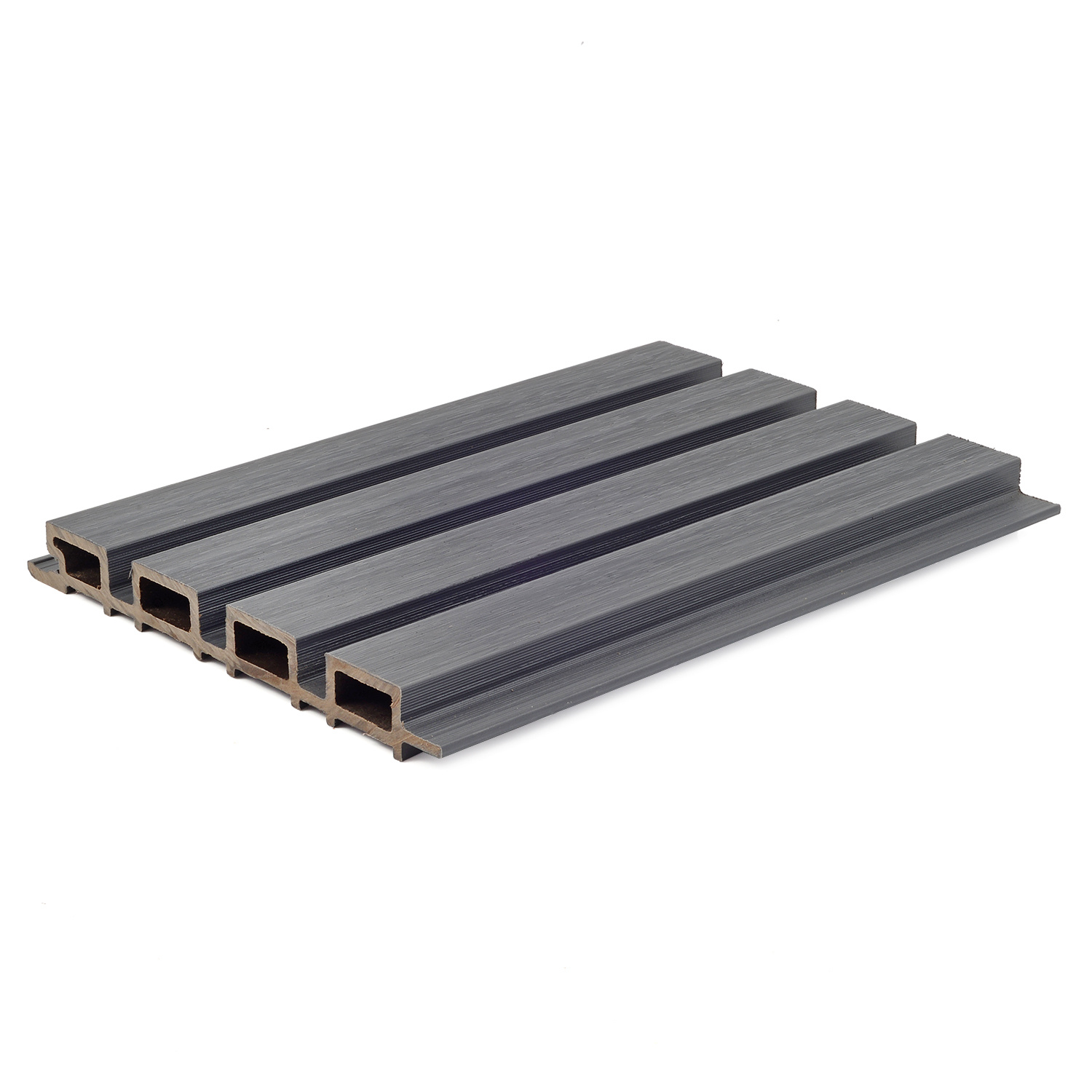
Thickness and Dimensions: The thickness of the decking boards influences their strength and load-bearing capacity. Standard dimensions should be verified to ensure compatibility with existing structures. Buyers should also consider how these dimensions will fit into their design plans, particularly for large-scale commercial projects. 

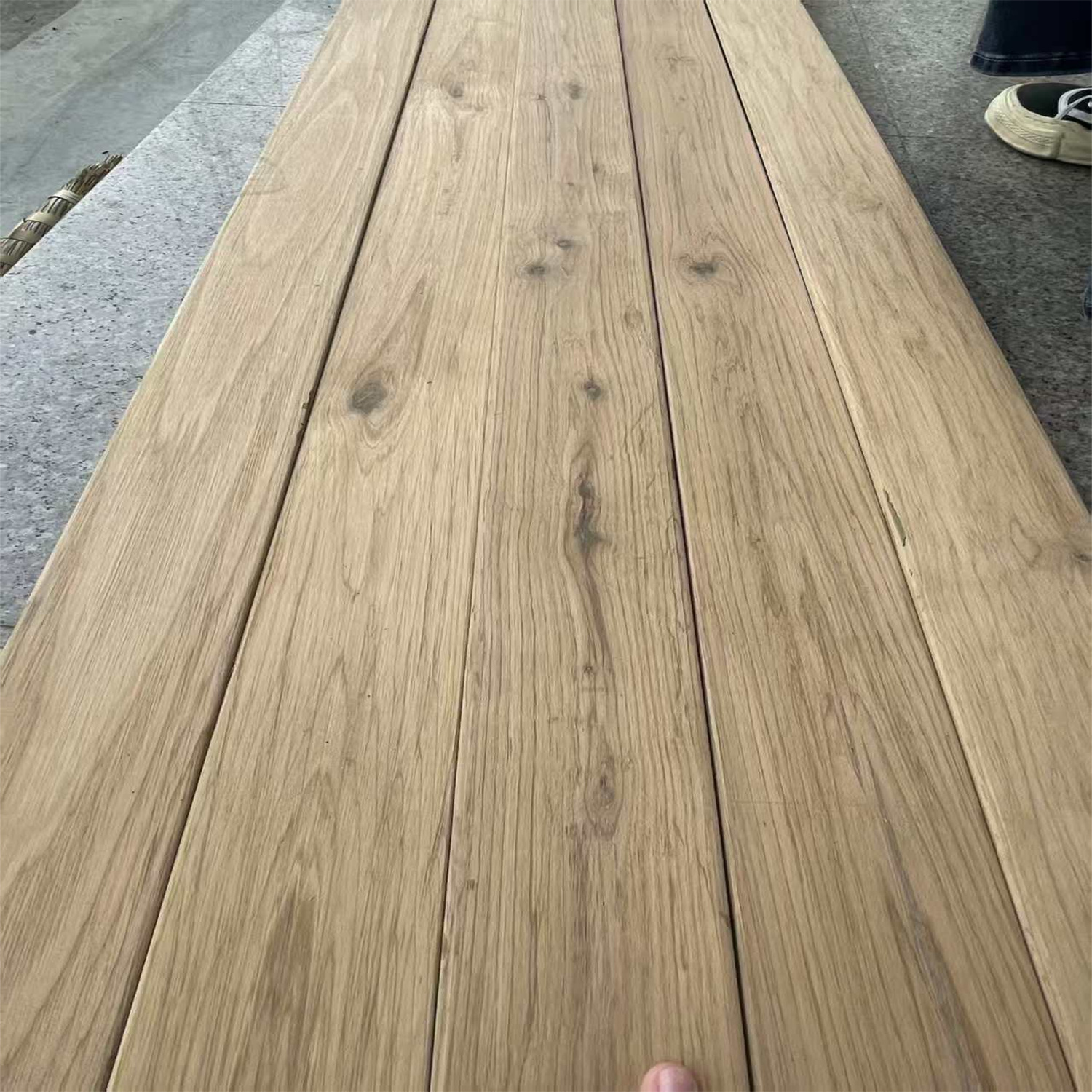
Surface Finish: A quality surface finish is crucial for aesthetics and slip resistance. Buyers should look for finishes that enhance the decking's natural appearance while providing a textured surface to reduce slipping, especially in wet conditions. 

Certifications and Testing: Ask suppliers about any relevant certifications, such as those related to safety and environmental impact. Third-party testing results can provide insight into the product’s performance characteristics, such as UV resistance and fade protection. 

Frequently Asked Questions

What is composite WPC decking made of?

Composite WPC decking combines wood fibers and recycled plastic bound with a polymer and additives to create a durable, low-maintenance decking material.
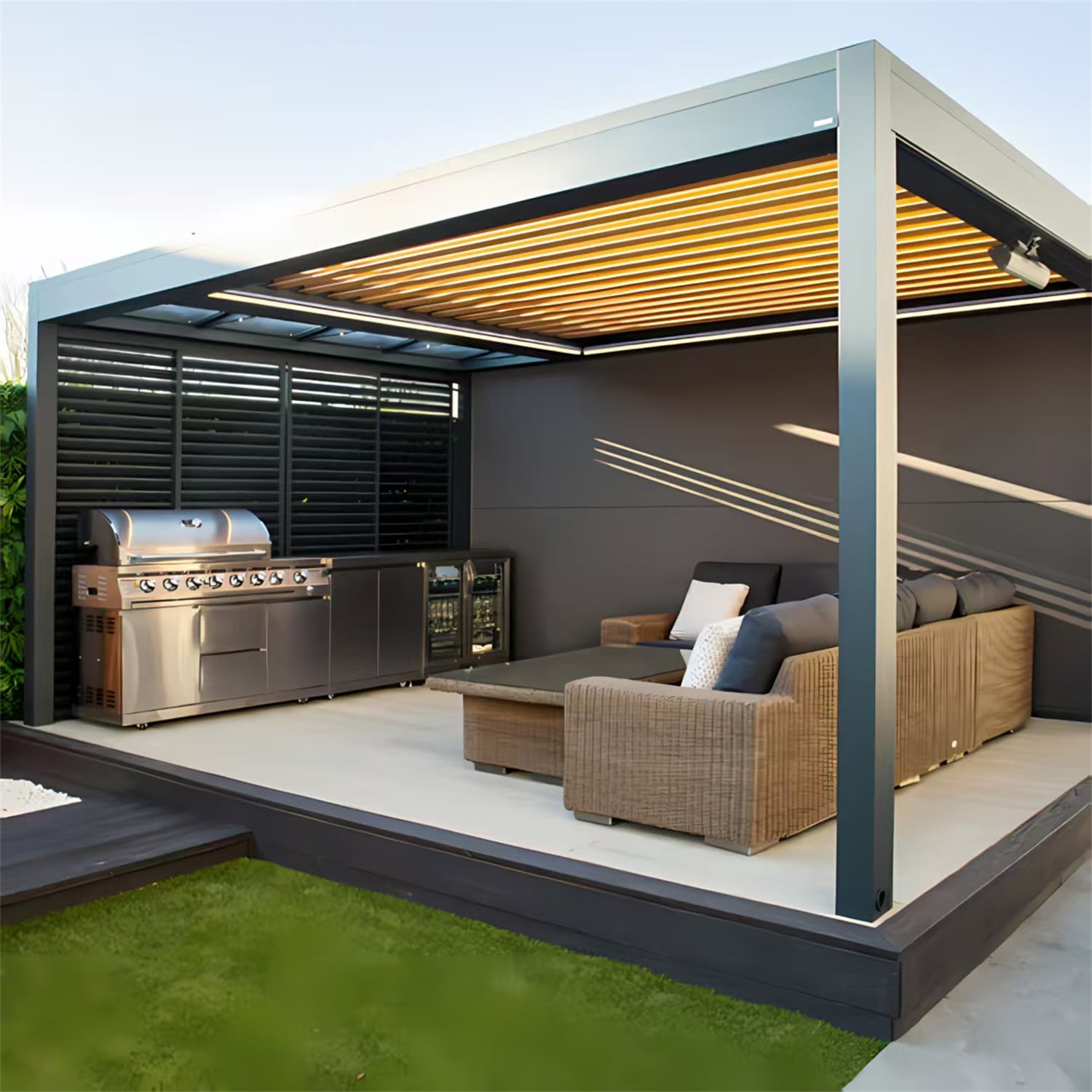
Yes. It resists moisture, staining and warping, making it ideal around outdoor kitchen areas when paired with proper installation and ventilation.
With correct installation and routine cleaning, composite WPC decking can last 15–25 years or more, depending on climate and usage.
Minimal care: regular sweeping, occasional washing with mild soap and water, and removing debris. Avoid harsh chemicals and high‑pressure washing.
Yes. We offer commercial-grade WPC systems and installation services tailored to project scale, ensuring compliance with durability and safety requirements.

Get a Free Quote

Our representative will contact you soon.
0/1000