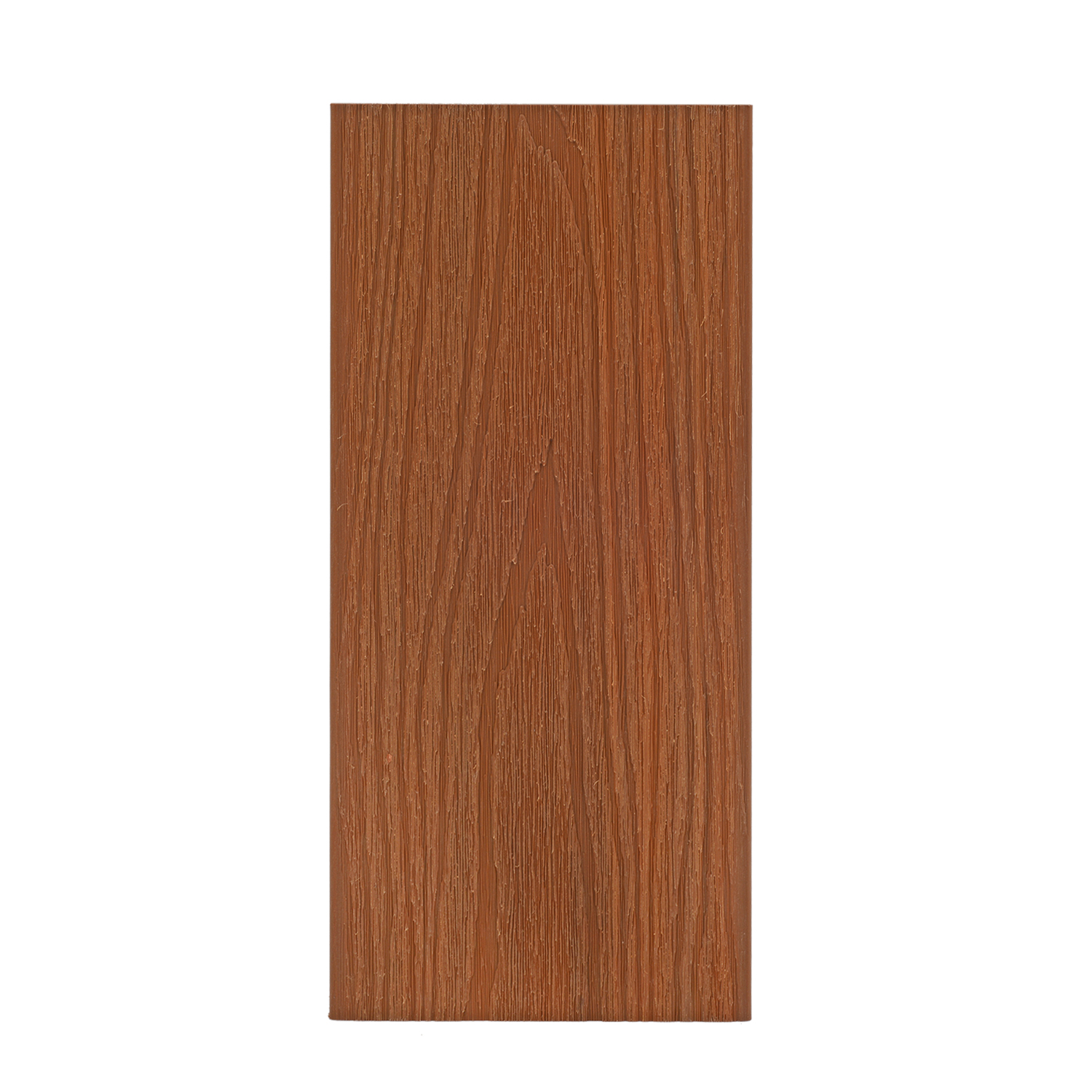
Comparing Different Types of Composite Decking Materials
Composite decking offers several advantages over traditional wood and other materials, making it a compelling choice for B2B buyers. Here are some of the most notable benefits:
Durability: Composite decking Outdoor Kitchens is resistant to rot, splintering, and insect damage, significantly extending its lifespan compared to wood. This durability can reduce maintenance costs and replacement frequency.
Low Maintenance: Unlike wood, which requires regular sealing and staining, composite decking typically requires only occasional cleaning with soap and water. This ease of maintenance can save time and labor costs for both residential and commercial applications.
Environmental Impact: Made from recycled materials, many composite decking products are more environmentally friendly than traditional wood, which contributes to deforestation. Choosing composite can align with sustainability goals for your projects.
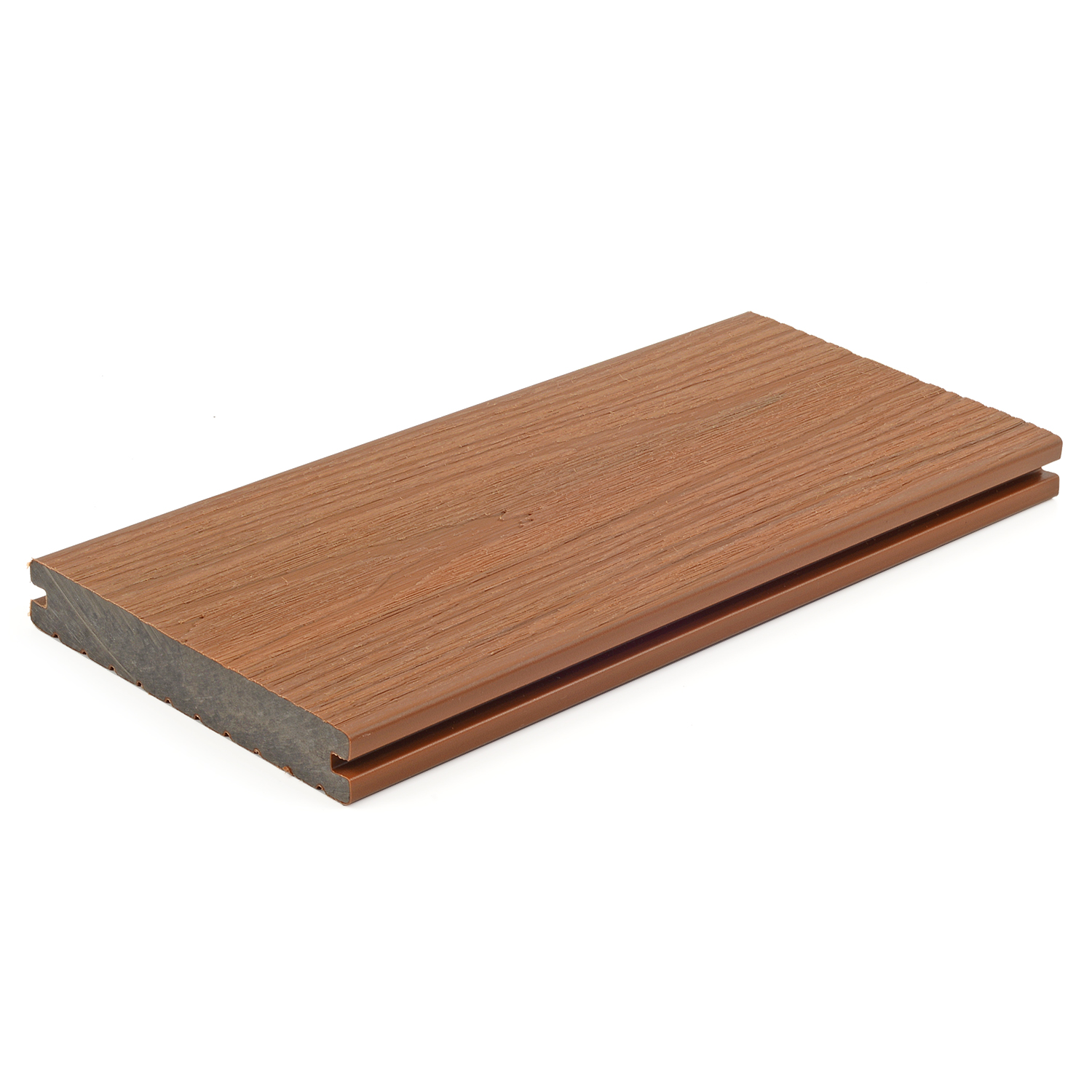
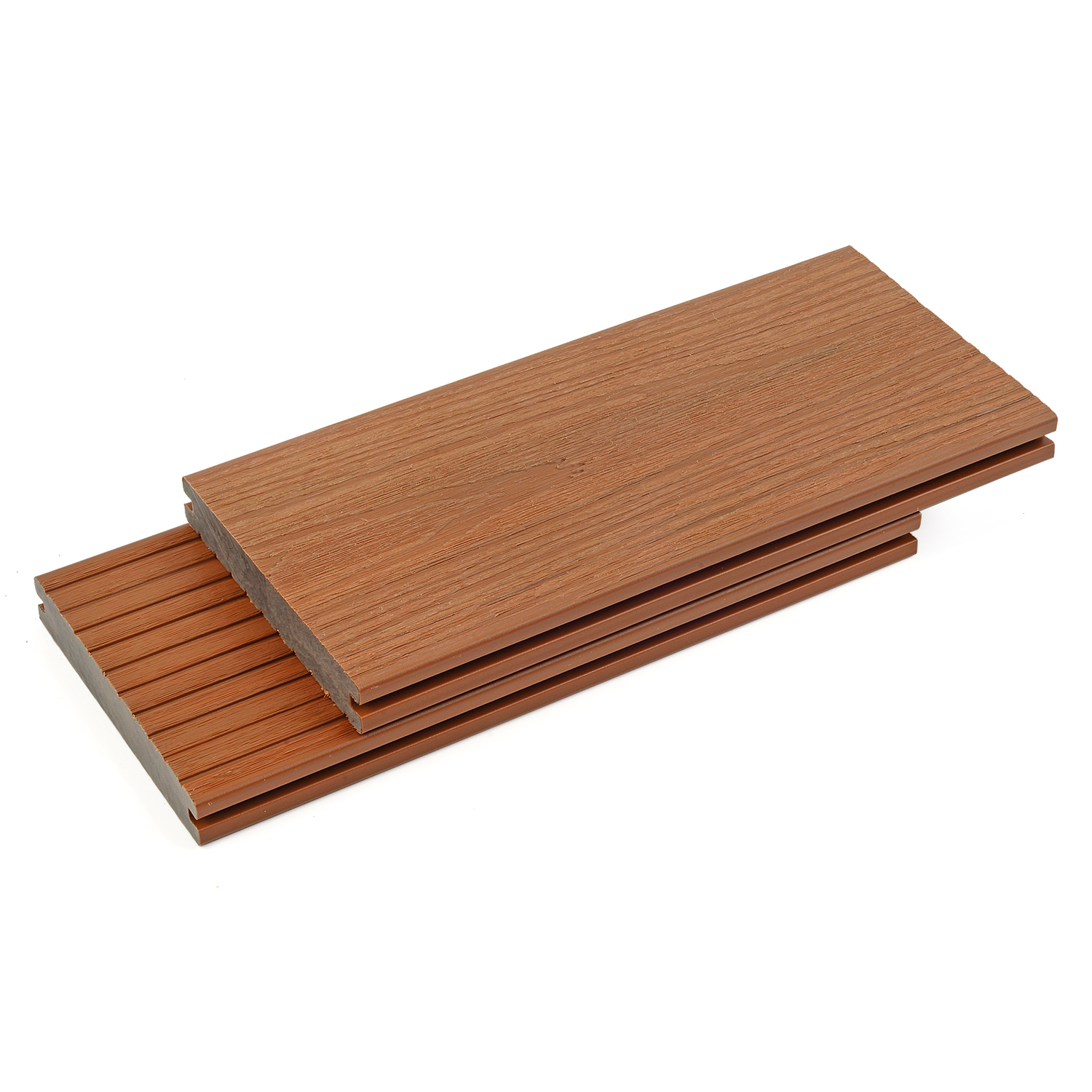
Aesthetic Variety: Composite decking is available in various colors and finishes, allowing for greater design flexibility. This variety can help you achieve the desired look for your outdoor spaces without compromising on performance.
Safety Features: Many composite products are designed with slip-resistant surfaces, making them safer for outdoor use, especially in wet conditions.
By understanding these advantages, you can make a more informed decision when selecting materials for your upcoming projects.
 EN
EN