Thermowood Decking Boards: Key Specifications and Tips

application/thermowood-decking-boards, application/thermowood-decking-boards, 
Inquiry
Inquiry

Thermowood decking boards

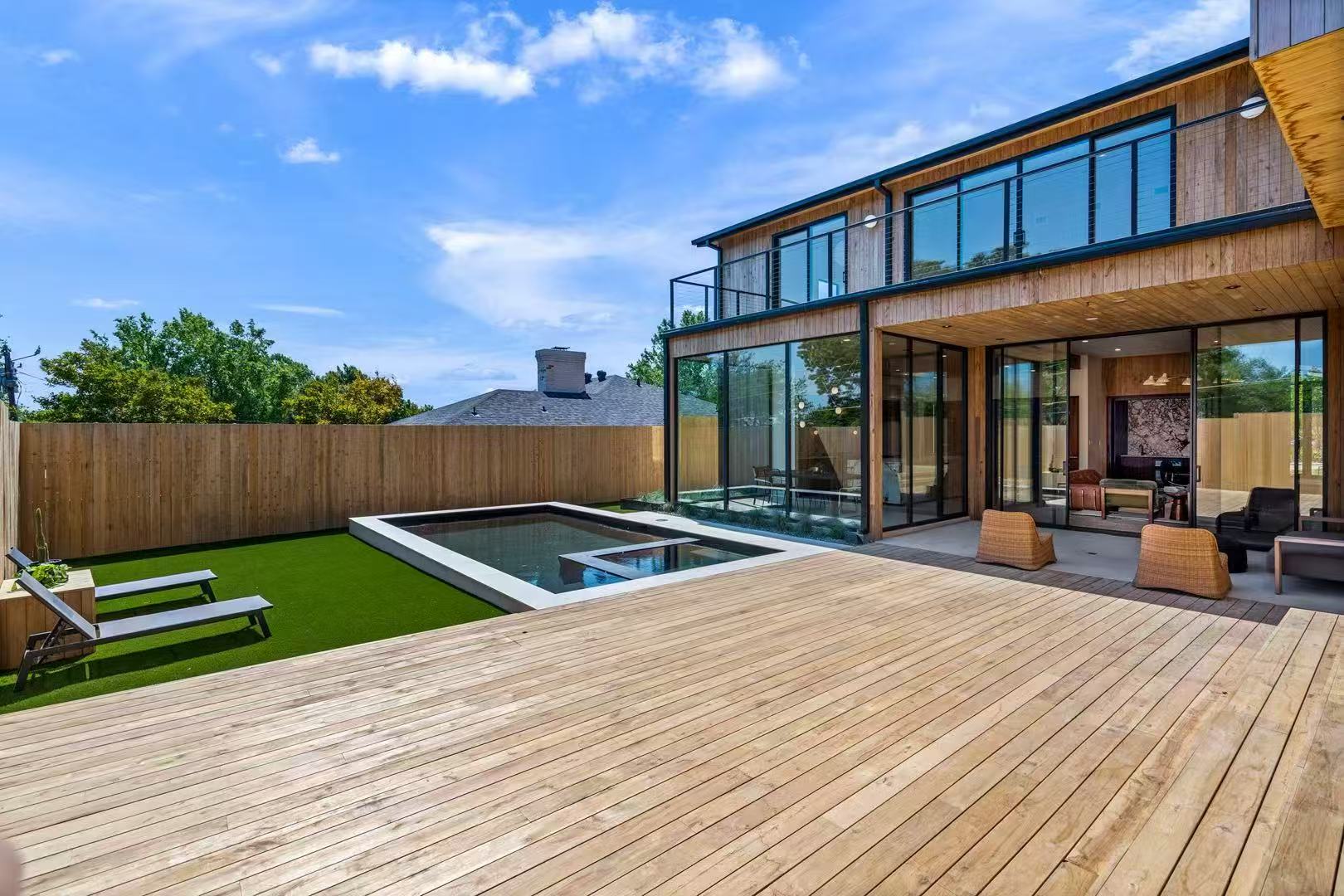
Xiaozhu Thermowood composite decking boards are an innovative solution for outdoor spaces, offering both aesthetic appeal and durability. Made from thermally treated wood, these boards are designed to withstand the elements while providing a sustainable alternative to traditional decking materials. As a purchasing manager or project manager, understanding the thermowood decking boards' specifications, quality indicators, and best practices for selecting thermowood decking boards is crucial for ensuring the longevity and performance of your outdoor projects. This article will guide you through the key specifications, selection criteria, cost insights, best practices, and common issues associated with thermowood decking

How to Choose Quality Thermowood Decking Boards for Your Projects

How to Choose Quality Thermowood Decking Boards for Your Projects

Selecting quality Xiaozhu thermowood wpc composite decking boards involves several considerations to ensure you meet both aesthetic and functional needs:

Supplier Reputation: Research thermowood decking board suppliers like Shenzhen Xiaozhu Garden Landscape Engineering Co., Ltd., with over 16 years of experience in the industry. A reputable supplier will have a proven track record of quality and customer satisfaction

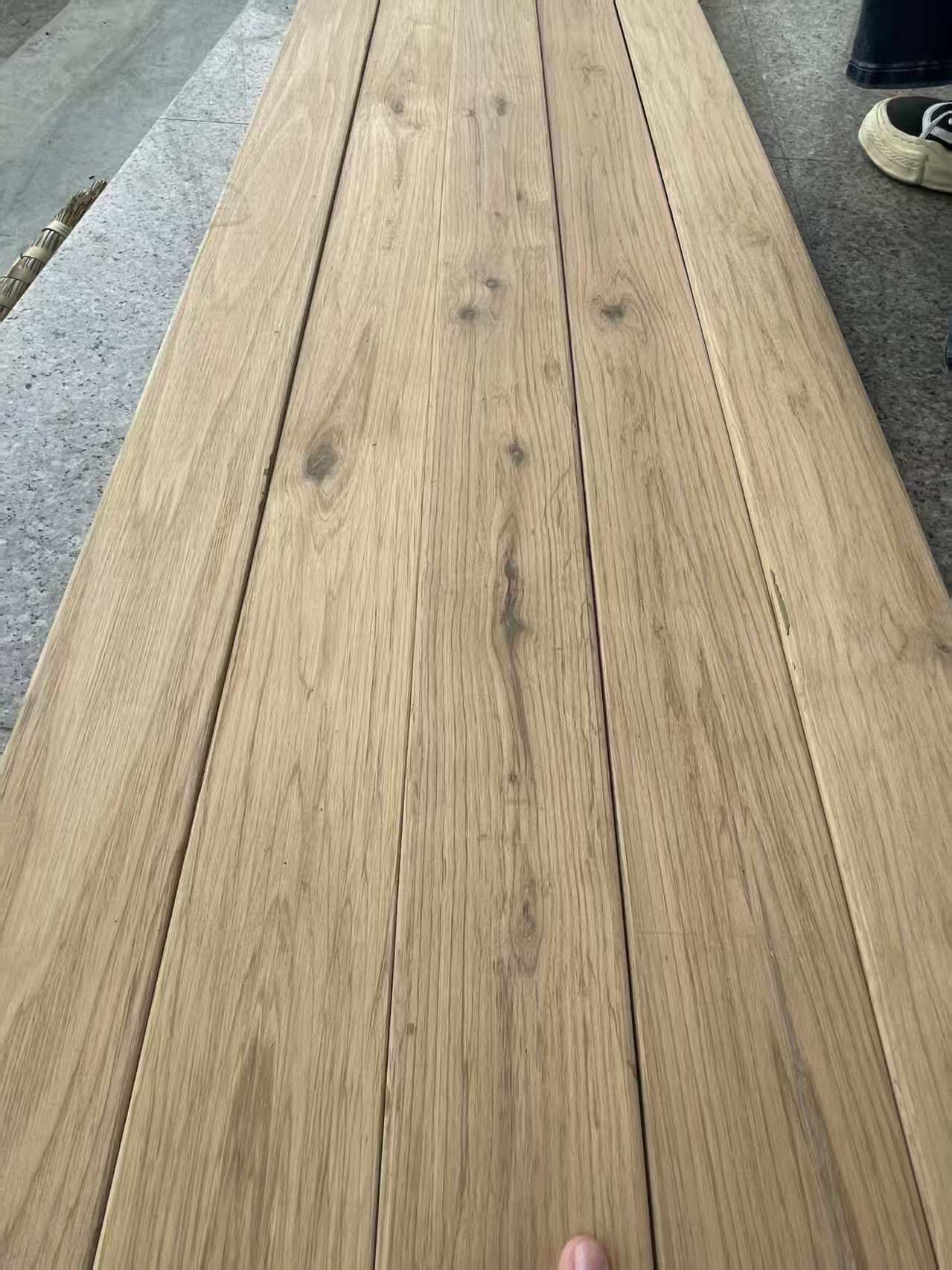
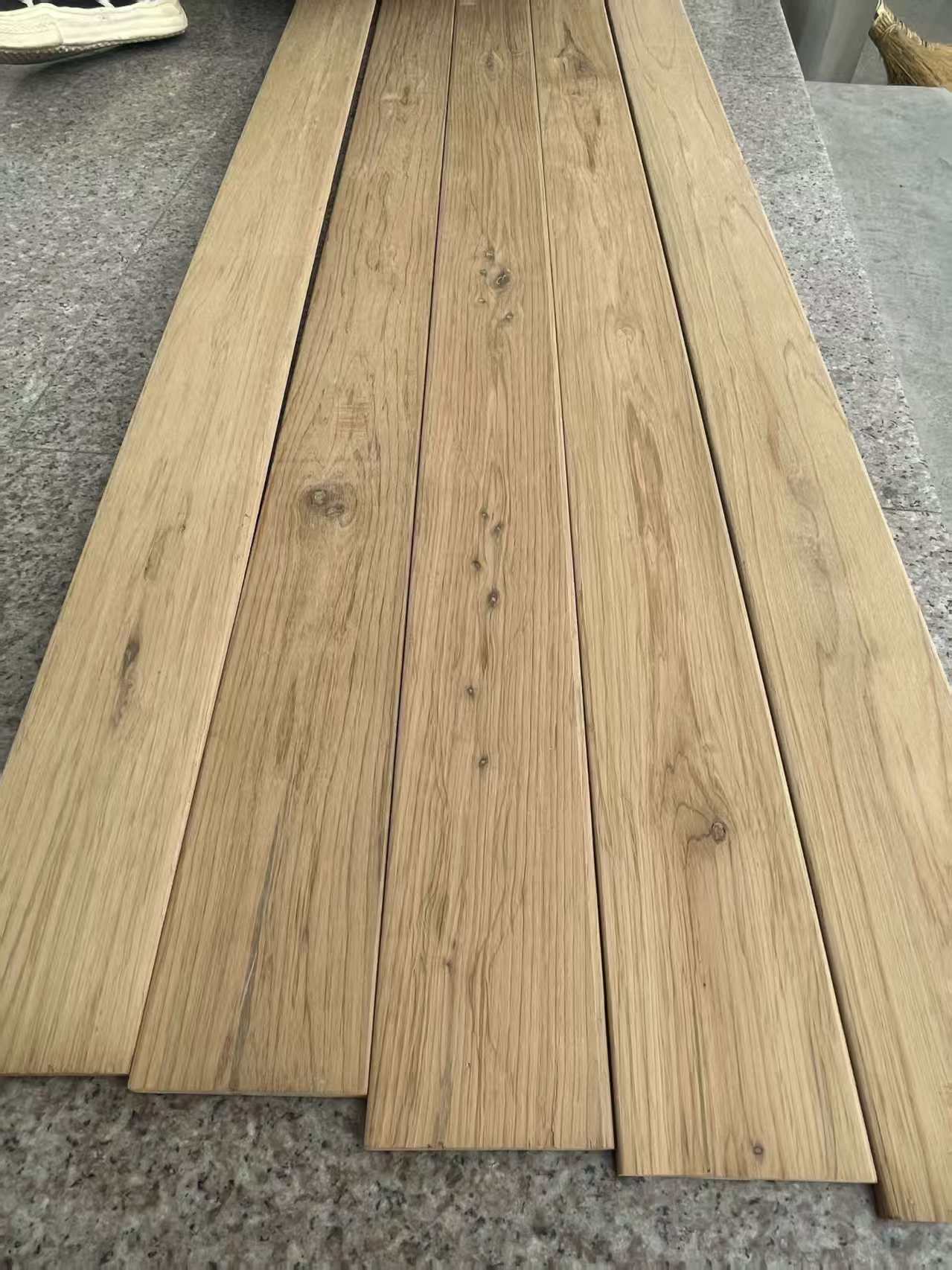
Sample Approval: Before placing a bulk order, request samples. Evaluate them for defects, color consistency, and surface finish. This step helps confirm that the product aligns with your expectations

Customization Options: Determine if the thermowood decking board supplier offers customization, such as specific dimensions or finishes. This flexibility can help you achieve a tailored look for your project

Quality Control Processes: Understand the thermowood decking boards supplier's quality control measures. This includes their inspection processes and any testing performed on the boards to ensure strength and durability

Lead Times: Confirm lead times for production and delivery. A reliable supplier should provide clear timelines to help you plan your project efficiently

Cost and Performance Insights

Cost and Performance Insights

The cost of thermowood decking boards can vary widely based on several factors:

Material Costs: The choice of wood species and the intensity of the thermal modification process will influence the price. Higher-quality woods or more intensive treatments typically command a higher price

Volume Discounts: Larger thermowood decking boards orders may qualify for discounts. Discuss minimum order quantities (MOQ) with your supplier to optimize costs

Installation Costs: Consider the thermowood decking boards installation process, as thermowood may require specific techniques that could impact labor costs. Ensure your installation team is familiar with thermowood properties for optimal results

Long-term Value: While thermowood decking might have a higher upfront cost compared to conventional materials, its durability and low maintenance requirements can provide long-term savings. Evaluate the total cost of ownership, including maintenance and replacement costs over time

Best Practices to Follow

Best Practices to Follow

To maximize the performance and aesthetics of your thermowood decking, consider these best practices:

Proper Installation: Ensure that boards are installed with adequate spacing to allow for natural expansion and contraction. This helps prevent buckling or warping due to moisture

Regular Maintenance: While thermowood is low-maintenance, periodic cleaning and reapplication of the protective finish can enhance longevity. Schedule maintenance based on the environmental conditions of the installation site

Avoiding Water Accumulation: Ensure thermowood decking boards have proper drainage around the decking area to prevent water pooling, which can lead to mold or decay. This is particularly relevant in climates with high humidity or frequent rainfall

Temperature Considerations: Be mindful of the temperature range during installation. Extremely cold or hot conditions can affect the wood's properties and the effectiveness of adhesives or finishes

Common Problems with Thermowood Decking and Effective Solutions

While thermowood decking boards offer numerous advantages, they can encounter issues. Being aware of these can help you mitigate them effectively:

Warping and Splitting: If thermowood decking boards are not properly dried before installation or if they are exposed to excessive moisture, warping and splitting can occur. To prevent this, always ensure boards have an appropriate moisture content before installation

Discoloration: Exposure to UV rays can lead to discoloration over time. Applying UV-resistant finishes or regularly reapplying protective coatings can help maintain the boards' color

Insect Damage: While thermowood is naturally resistant to insects, high moisture levels can attract pests. Regular inspection and maintenance will help identify any potential infestations early

Maintenance Challenges: Despite its low-maintenance nature, neglecting care can lead to a buildup of dirt or mildew. Regular cleaning with a gentle cleaner can help preserve the board’s appearance and longevity

By understanding these thermowood decking boards specifications, selection criteria, cost factors, best practices, and common challenges, B2B buyers can confidently select thermowood decking boards that align with their project requirements. Utilizing the expertise of established manufacturers can further ensure the success of your outdoor living solutions

Key Specifications for Buyers

When evaluating Xiaozhu thermowood wpc decking boards, several key specifications should be considered to ensure they meet your project’s requirements:

Material Type: Thermowood is typically made from softwoods like pine, spruce, or fir. The choice of wood affects the board's appearance, durability, and thermal properties. For example, thermally modified pine may be more cost-effective, while thermally modified ash could offer superior durability and aesthetics

Dimensions: Common thermowood decking board dimensions for decking boards include thickness, width, and length. Standard thickness ranges from 20mm to 30mm, while widths can vary from 90mm to 145mm. Custom sizes may be available based on the manufacturer’s capabilities

Moisture Content: Thermowood boards should have a moisture content of around 6-12% to reduce the risk of warping or cracking. Confirming this specification is essential for ensuring the boards perform well in outdoor conditions

Surface Treatment: Many thermowood products come with a surface finish, such as oil or stain, to enhance resistance to moisture and UV rays. This treatment can significantly affect the board's longevity and maintenance needs

Certification: Look for certifications such as PEFC or FSC that indicate sustainable sourcing and production practices. This is particularly important for environmentally-conscious projects

Frequently Asked Questions

What are thermowood decking boards?

Thermowood decking boards are heat-treated timber with enhanced durability, stability, and resistance to rot and insects, ideal for outdoor decks and landscaping projects.
We use sustainably sourced softwoods selected for thermotreatment to ensure consistent quality, stability, and suitability for outdoor applications.
With proper installation and basic maintenance, thermowood decking can last 15–30 years depending on climate and usage.
Minimal maintenance is needed: periodic cleaning, debris removal, and optional oiling or sealing to preserve color and extend lifespan.
Yes. With 16 years' experience, we offer design advice, installation guidance, and integrated outdoor living solutions for residential and commercial projects.

Get a Free Quote

Our representative will contact you soon.
0/1000