WPC Composite Decking: Key Specs and Applications

application/wpc-composite-decking, application/wpc-composite-decking, 
Inquiry
Inquiry

Wpc composite decking

WPC composite decking is a preferred material for outdoor projects, combining the durability of wood with the resilience of plastic. As a B2B buyer in the manufacturing or construction sector, your main concerns likely include product reliability, environmental impact, and cost-effectiveness. This article will guide you through essential specifications, how to choose the right decking, reliable suppliers, best practices, and applications in both residential and commercial spaces.

How to Choose the Right WPC Composite Decking for Your Projects

How to Choose the Right WPC Composite Decking for Your Projects

Selecting the right WPC composite decking involves several practical considerations: 

Project Requirements: Assess the specific needs of your project, including the expected foot traffic, exposure to elements, and intended use. For instance, a commercial space may require a more robust product than a residential patio. 

Environmental Considerations: Consider the environmental impact of your decking choice. WPC products are often designed to be eco-friendly, but verifying the sourcing of materials and the manufacturing process is essential. 

Installation: Check the installation requirements of the WPC decking. Some products may necessitate specific fasteners or substructures. Understanding installation complexity can affect labor costs and project timelines. 

Maintenance Needs: Evaluate the required maintenance for the decking. WPC is generally low-maintenance, but some products may require periodic cleaning or resealing. 

Budget: Finally, establish a clear budget that includes material costs, labor, and any necessary accessories. Pricing can vary significantly based on features and specifications, so it’s wise to compare options. 

By carefully analyzing these factors, you can make an informed decision that aligns with both your operational needs and financial constraints. 

Reliable Suppliers of WPC Composite Decking

Reliable Suppliers of WPC Composite Decking

When sourcing WPC composite decking, partnering with a reliable supplier is crucial. Here are key considerations: 

Manufacturing Capabilities: Evaluate suppliers based on their production capabilities, including the technology used in manufacturing. Modern manufacturing processes can enhance product quality and consistency. 

Customization Options: Some projects may require unique dimensions or finishes. A supplier that offers customization can better meet your specific requirements. 

Quality Control Processes: Inquire about the supplier's quality control measures. A robust quality assurance process ensures that the products meet industry standards and reduce the likelihood of defects. 

Lead Times and Availability: Confirm the supplier's lead times and check their stock levels. Reliable suppliers should be able to provide clear timelines for delivery, which is essential for project planning. 

Customer Support: Assess the level of customer service provided. A supplier that is responsive and knowledgeable can greatly enhance your purchasing experience. 

Establishing a relationship with a trustworthy supplier will not only streamline your procurement process but also ensure that you receive high-quality products. 

Best Practices

Best Practices

Implementing best practices in sourcing and using WPC composite decking can enhance project outcomes: 

Sample Approval: Before committing to a large order, request samples of the decking. This allows you to assess the material's appearance, texture, and performance in real-world conditions. 

Verify Specifications: Always verify that the specifications meet your project requirements. Confirm dimensions, load capacities, and any necessary certifications with the supplier. 

Installation Guidelines: Follow the manufacturer’s installation guidelines closely to avoid issues during the assembly process. Properly installed composite decking will perform better and last longer. 

Regular Maintenance: Although WPC decking is low-maintenance, establishing a routine cleaning schedule will help maintain its appearance and prolong its lifespan. 

Feedback Loop: After project completion, provide feedback to your supplier regarding product performance and service quality. This can be beneficial for future orders and product improvements. 

These best practices will help ensure that your investment in WPC composite decking yields the desired results, both in function and aesthetics. 

Applications of WPC Composite Decking in Residential and Commercial Spaces

WPC composite decking is highly versatile and suitable for a range of applications: 

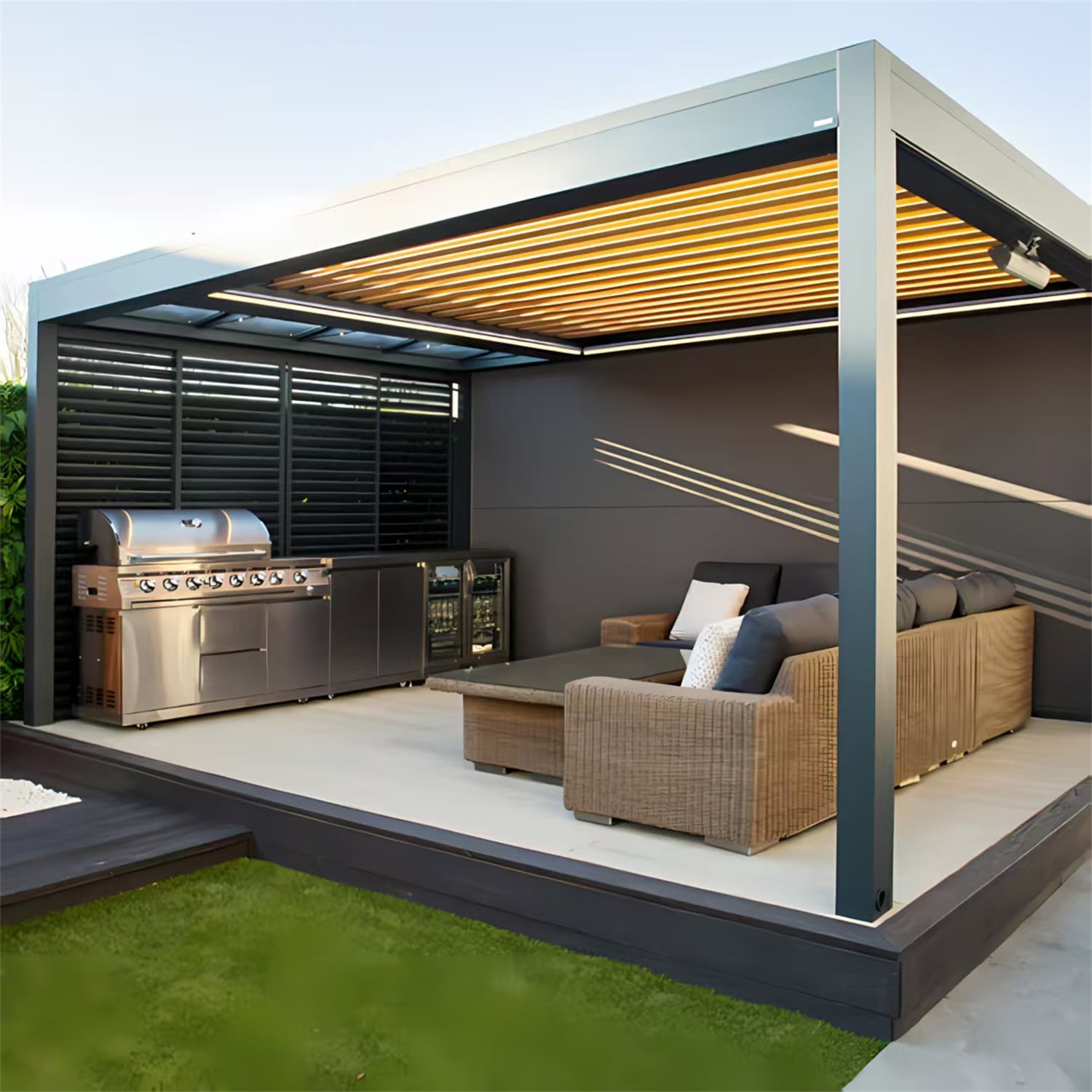
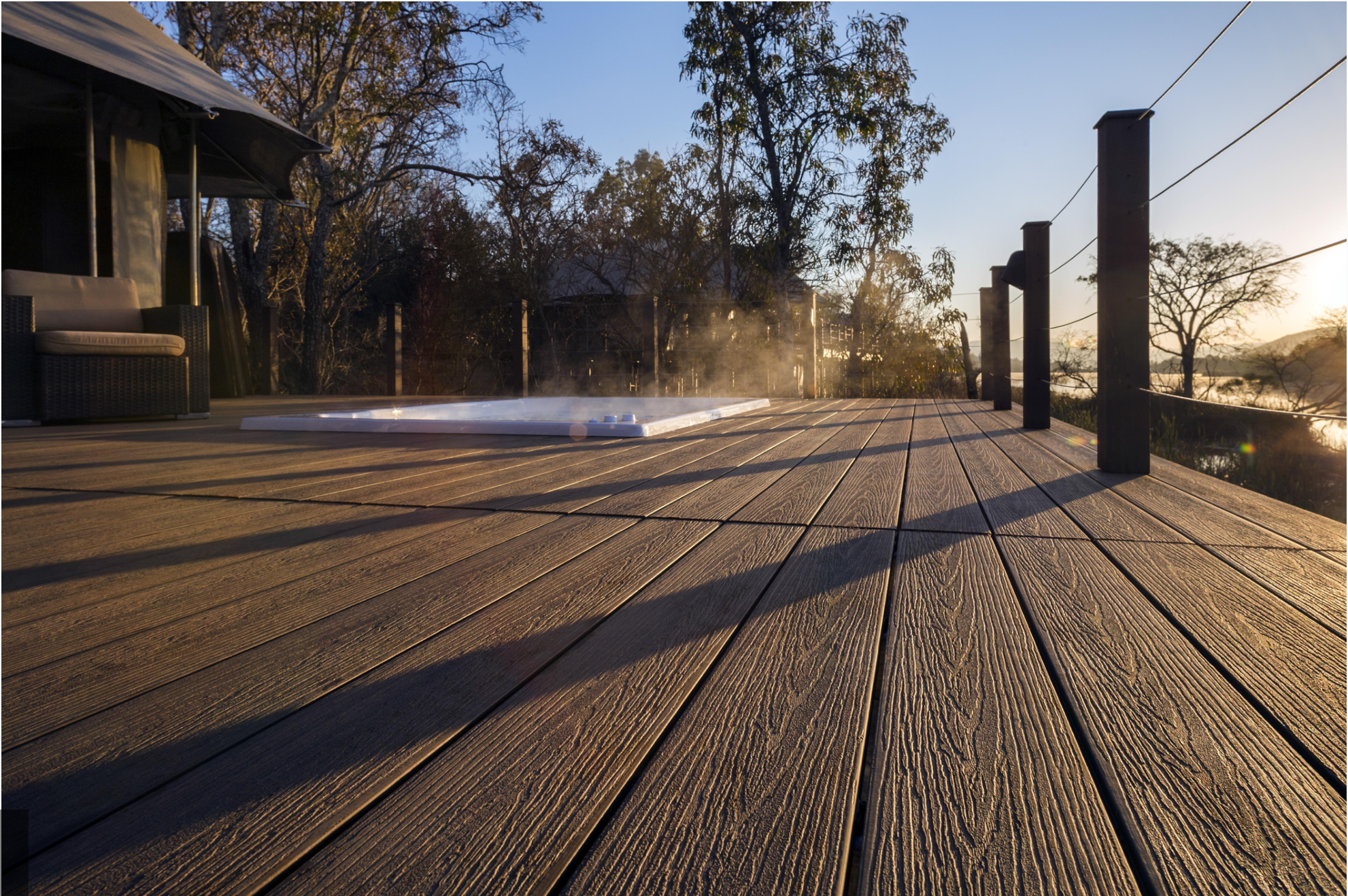
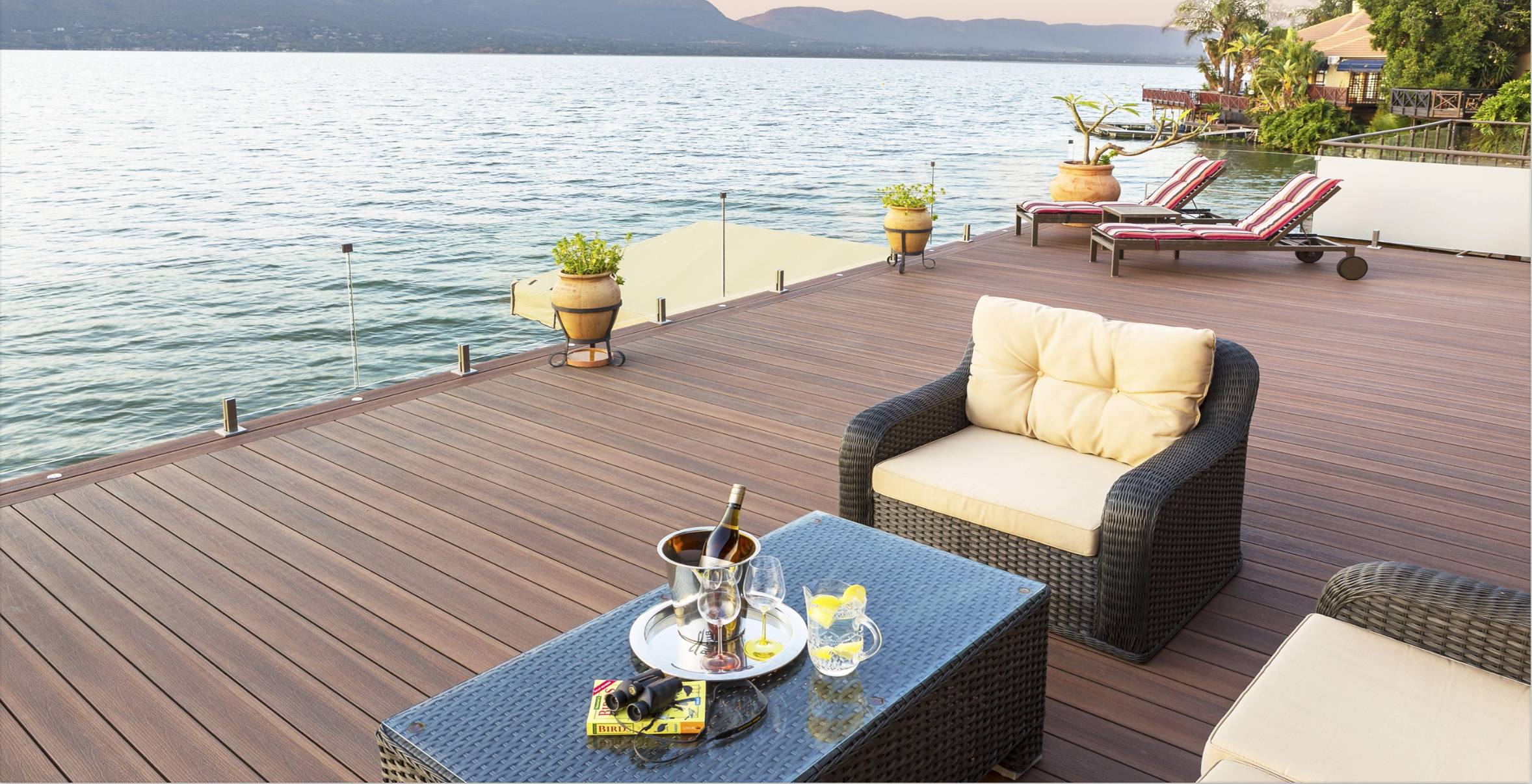
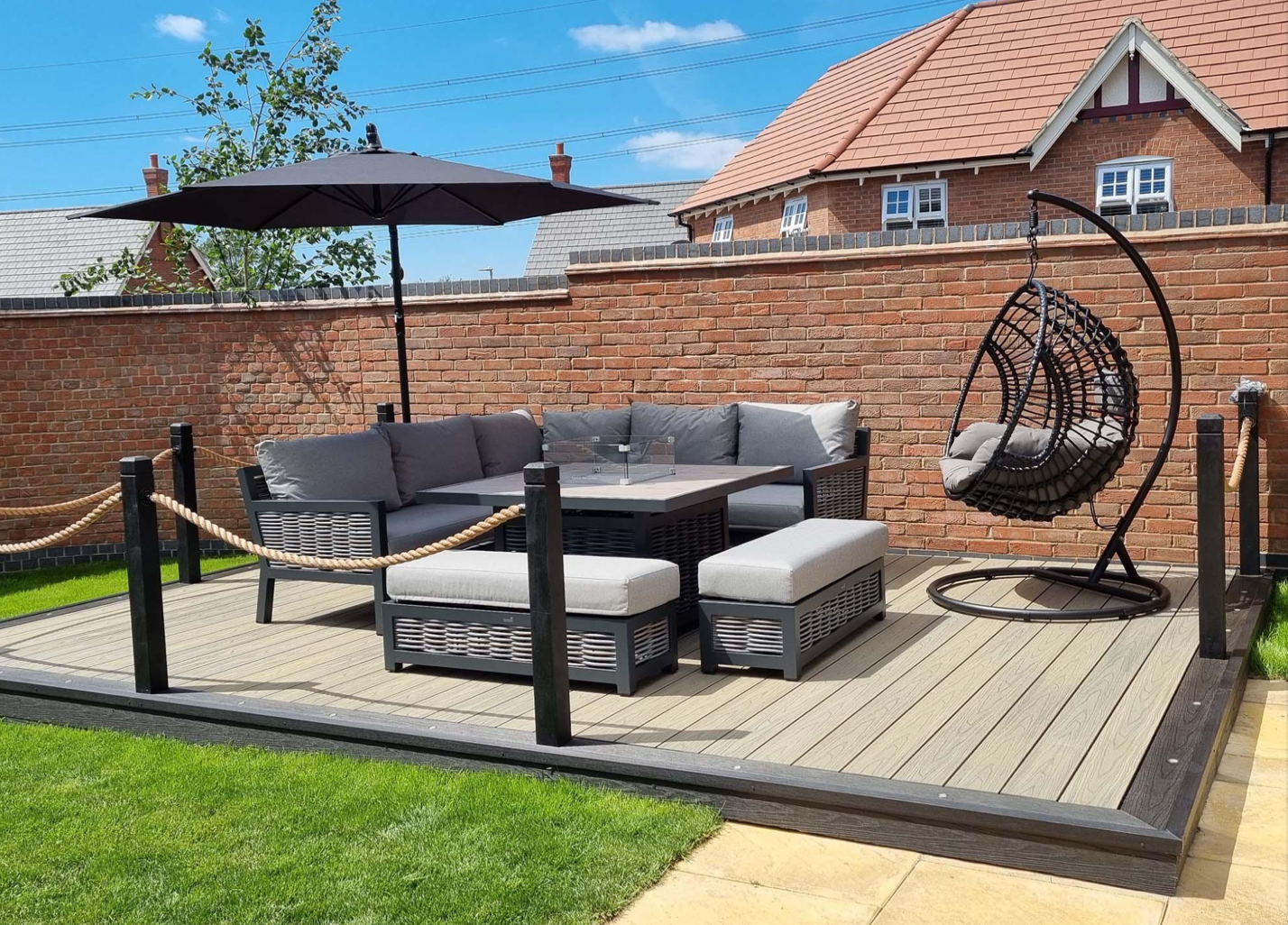
Residential Decking: Homeowners appreciate WPC for its durability and aesthetic appeal. It is ideal for patios, pool surrounds, and terraces, providing a safe, slip-resistant surface. 

Commercial Spaces: In commercial projects, WPC decking can be used for outdoor dining areas, walkways, and public spaces. Its resistance to moisture and UV damage makes it suitable for high-traffic areas. 

Landscaping Features: WPC can also be utilized in landscaping projects, such as raised garden beds, retaining walls, and decorative borders, enhancing the visual appeal of outdoor spaces. 

Eco-Friendly Initiatives: Many businesses are now focusing on sustainability. WPC composite decking can be part of a green building initiative, offering an environmentally friendly alternative to traditional materials. 

Event Spaces: For temporary or permanent event areas, WPC decking provides a sturdy and visually appealing surface that can withstand varying weather conditions. 

The adaptability of WPC composite decking makes it an excellent choice for both residential and commercial applications, ensuring that it meets diverse project needs while enhancing outdoor environments. 

Key Specifications for Buyers

When evaluating WPC composite decking, several key specifications should be prioritized: 

Material Composition: WPC (Wood Plastic Composite) typically combines wood fibers with thermoplastics. This blend enhances durability and moisture resistance compared to traditional wood. Understanding the ratio of wood to plastic can help predict performance under various conditions. 

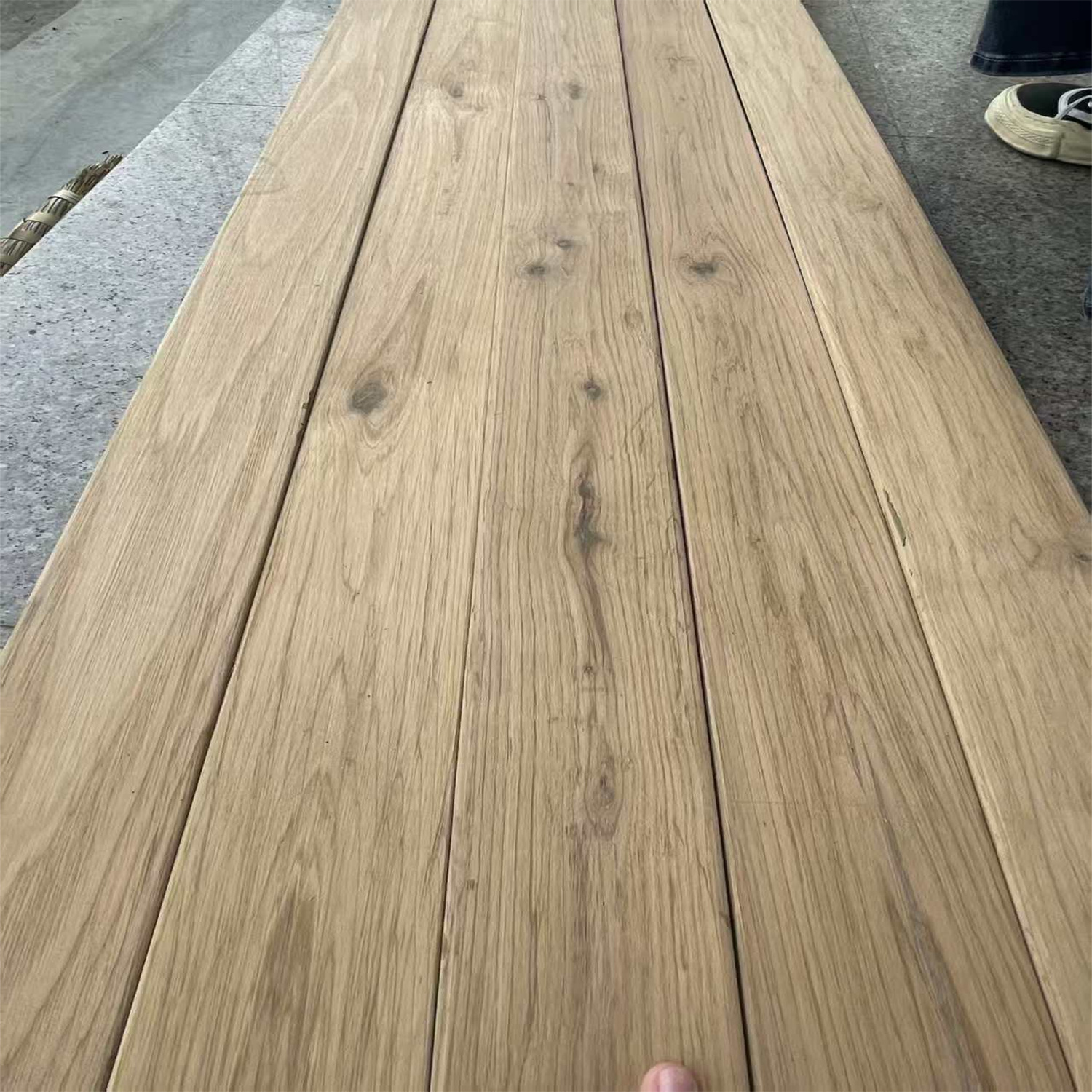
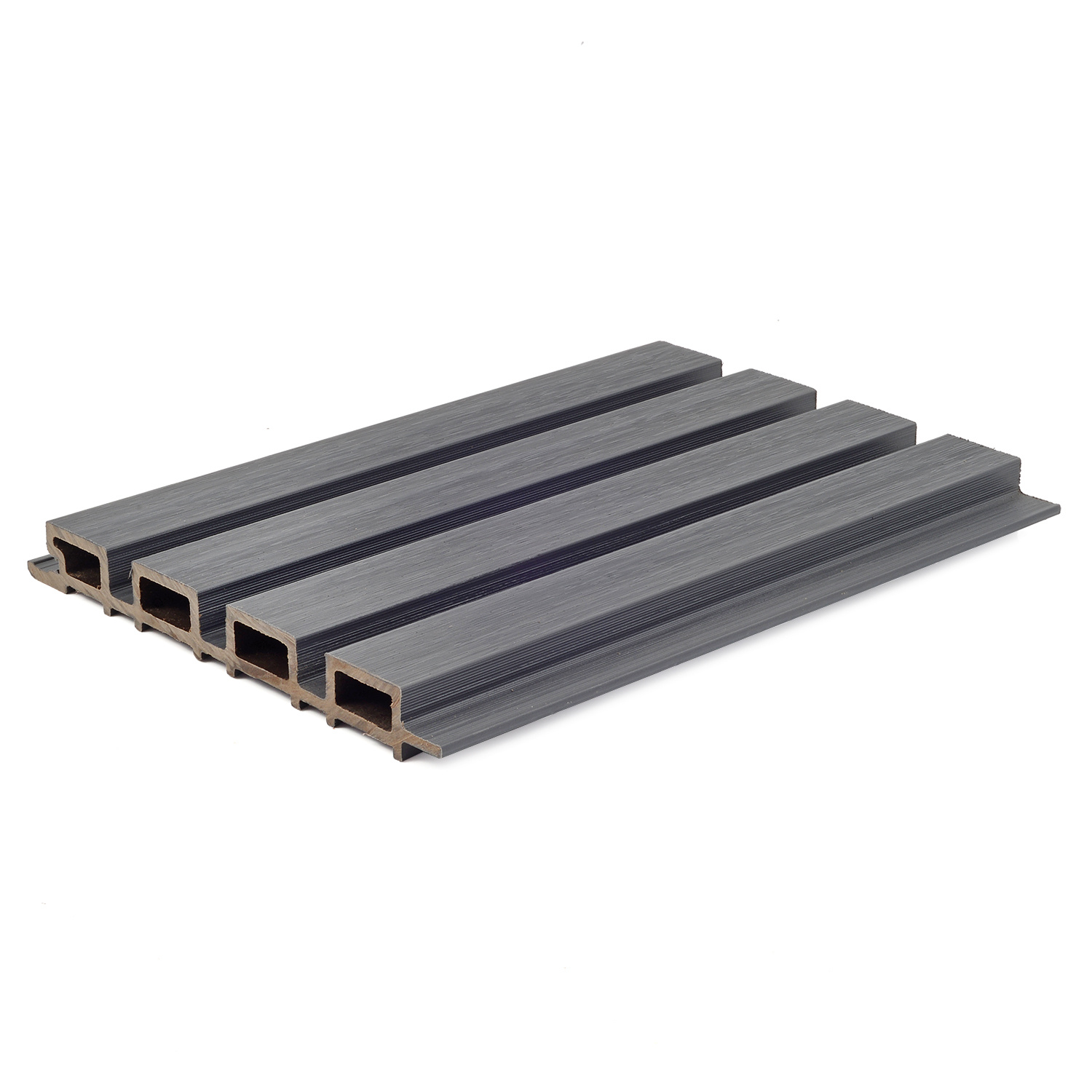
Dimensions and Thickness: Decking boards come in various dimensions, with common thicknesses ranging from 20mm to 25mm. Thicker boards generally offer better load-bearing capabilities and are less prone to warping. 

Surface Treatment: The surface of WPC decking can vary; some are embossed for slip resistance while others are smooth. Choose a finish that suits your project's safety and aesthetic requirements. 

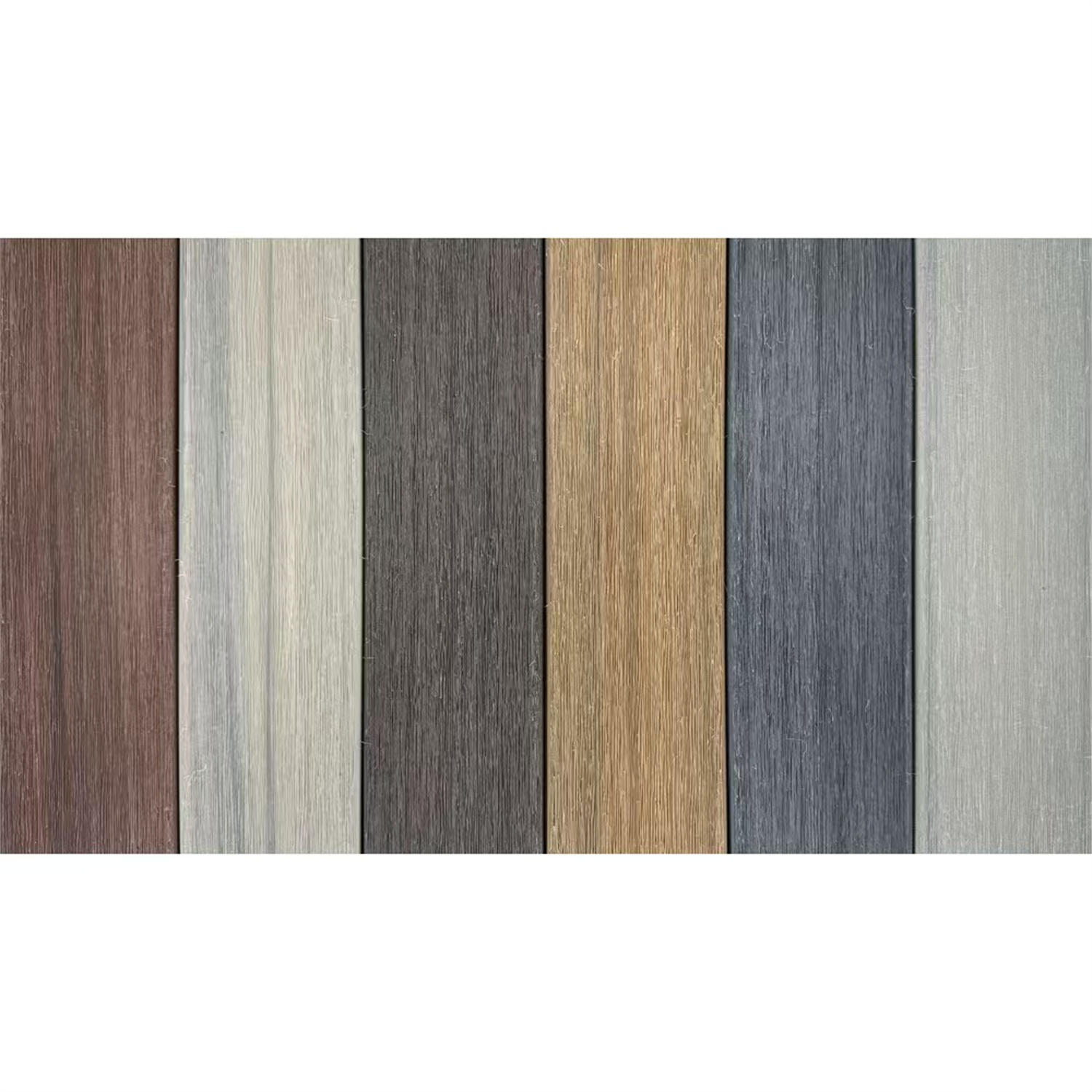
Color and Finish Options: WPC composite decking is available in multiple colors and finishes, allowing customization to fit the overall design of your outdoor space. 

Certifications: Look for products that meet environmental standards or have certifications such as PEFC or FSC, indicating sustainable sourcing of materials. 

Understanding these specifications will help you select a product that meets your performance expectations and aligns with your project goals. 

Frequently Asked Questions

What is Wpc composite decking made of?

Our WPC decking combines wood fibers and high-grade plastic polymers, delivering durability, low maintenance, and a natural wood appearance suited for outdoor living spaces.
Yes. It’s ideal for residential patios, offering slip resistance, weather tolerance, and long-term color stability for home outdoor projects.
With proper installation and regular cleaning, our WPC decking can last 15–25 years depending on climate and usage.
Minimal maintenance: periodic washing with mild soap and water, removing debris, and occasional inspection for fastener tightness keeps it in top condition.
Yes. With 16 years’ experience, we provide integrated design, supply, and professional installation for residential and commercial projects.

Get a Free Quote

Our representative will contact you soon.
0/1000