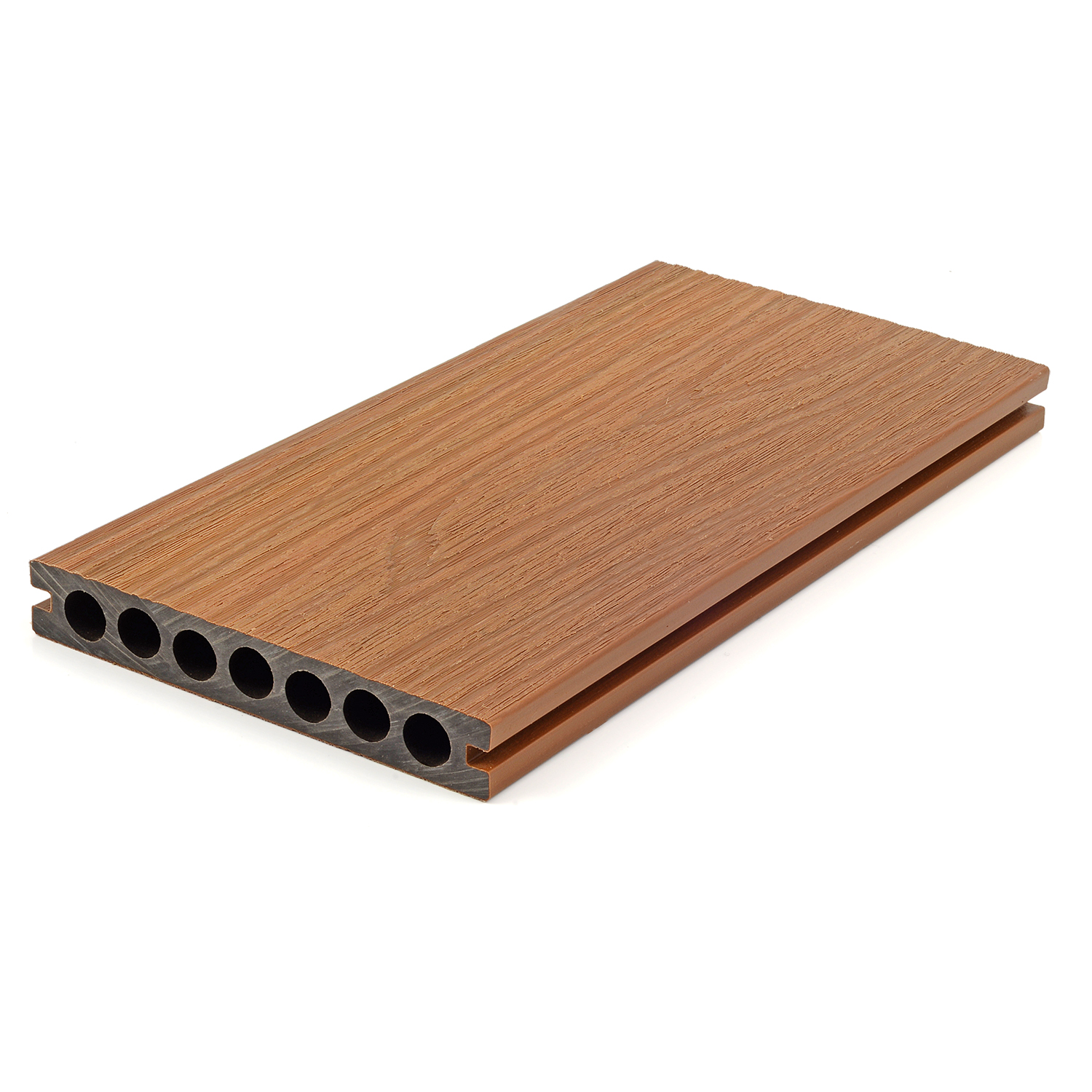
Quality Evaluation Criteria for WPC Decking Products

application/wpc-decking, application/wpc-decking, 
Inquiry
Inquiry

Wpc decking

WPC decking, or wood-plastic composite decking, is a popular choice for outdoor applications, merging the aesthetic appeal of wood with the durability of plastic. As a purchasing manager or distributor, your key concerns will often revolve around quality, cost-effectiveness, installation challenges, and the long-term performance of the product. This article will provide you with insights into evaluating WPC decking products, understanding cost factors, addressing common installation problems, highlighting the advantages of WPC materials, and guiding you on what to look for as a buyer

Cost Factors to Consider When Purchasing WPC Decking

Cost Factors to Consider When Purchasing WPC Decking

The cost of WPC decking can vary significantly based on several factors

Material Quality: Higher-quality materials often command a premium price. While it may be tempting to opt for the lowest-cost option, consider the long-term savings associated with durability and reduced maintenance

Customization: Custom dimensions, colors, and finishes can increase costs. Discuss your specific requirements with suppliers to understand how these factors will impact the final price

Volume Discounts: Many manufacturers, including Shenzhen Xiaozhu Garden Landscape Engineering Co., Ltd., offer discounts for bulk purchases. Knowing your project needs can help in negotiating better pricing structures

Shipping and Handling: Consider logistics costs, especially if importing. Shipping costs can add a significant amount to your overall expenditure, so it may be beneficial to work with local suppliers or those who can provide favorable shipping terms

Understanding these cost factors will help you make informed purchasing decisions and manage your project budget effectively

Common Installation Problems with WPC Decking and Their Solutions

Common Installation Problems with WPC Decking and Their Solutions

Installing WPC decking can present specific challenges. Here are some common issues and their solutions

Warping or Buckling: This can occur if the composite decking is not properly acclimated to the environment before installation. Ensure that the product is allowed to adjust to the local climate conditions for a few days prior to installation

Improper Fastening: Using the wrong type of fasteners can lead to issues such as splitting or uneven surfaces. Always refer to the manufacturer's guidelines regarding fastener types and spacing to ensure a secure and stable installation

Inadequate Support Structure: WPC decking requires a solid and appropriately spaced substructure. Confirm that the framing is strong enough to support the weight of the decking, especially in high-traffic areas

Water Drainage Issues: Poor drainage can lead to water pooling and subsequent deterioration of the decking. Ensure that the installation design promotes adequate drainage to prevent moisture buildup

Addressing these installation concerns proactively can greatly enhance the performance and longevity of your WPC decking

Advantages of WPC Decking Materials for Outdoor

Advantages of WPC Decking Materials for Outdoor

WPC decking offers numerous advantages that make it a preferred choice for outdoor applications

Low Maintenance: Unlike traditional wood, WPC decking does not require regular staining or sealing. A simple washing with soap and water is typically sufficient to maintain its appearance

Durability and Longevity: The combination of wood and plastic enhances resistance to rot, insects, and warping, making WPC a long-lasting solution for outdoor spaces

Environmental Benefits: Many WPC products are made from recycled materials, contributing to sustainability efforts. This is an important consideration for companies looking to enhance their green credentials

Aesthetic Versatility: WPC decking is available in various colors and finishes, mimicking the appearance of natural wood without the associated drawbacks. This allows for greater design flexibility in outdoor projects

These advantages make WPC decking a smart investment for both residential and commercial applications, offering a balance of beauty and practicality

What to Look For as a Buyer

As a buyer, there are several key aspects to consider when selecting WPC composite decking

Product Specifications: Ensure you have detailed specifications on dimensions, weight, and any unique features such as slip resistance or thermal performance. This information will be crucial for ensuring compatibility with your intended application

Supplier Reputation: Research potential suppliers, focusing on their manufacturing capabilities, customer service records, and previous project experiences. A reputable supplier, like Shenzhen Xiaozhu Garden Landscape Engineering Co., Ltd., will have a proven track record of delivering quality products

Sample Evaluation: Before making a large order, request samples to evaluate the product's appearance, texture, and structural integrity. Testing samples under actual environmental conditions can also provide valuable insights

Warranty and Support: Inquire about warranty terms and customer support services. A solid warranty reflects the manufacturer's confidence in their product, and accessible support can be invaluable if issues arise

By carefully considering these factors, you can make a well-informed purchasing decision that meets your project needs and expectations

Quality Evaluation Criteria for WPC Decking Products

When assessing WPC composite decking products, several quality criteria should be prioritized

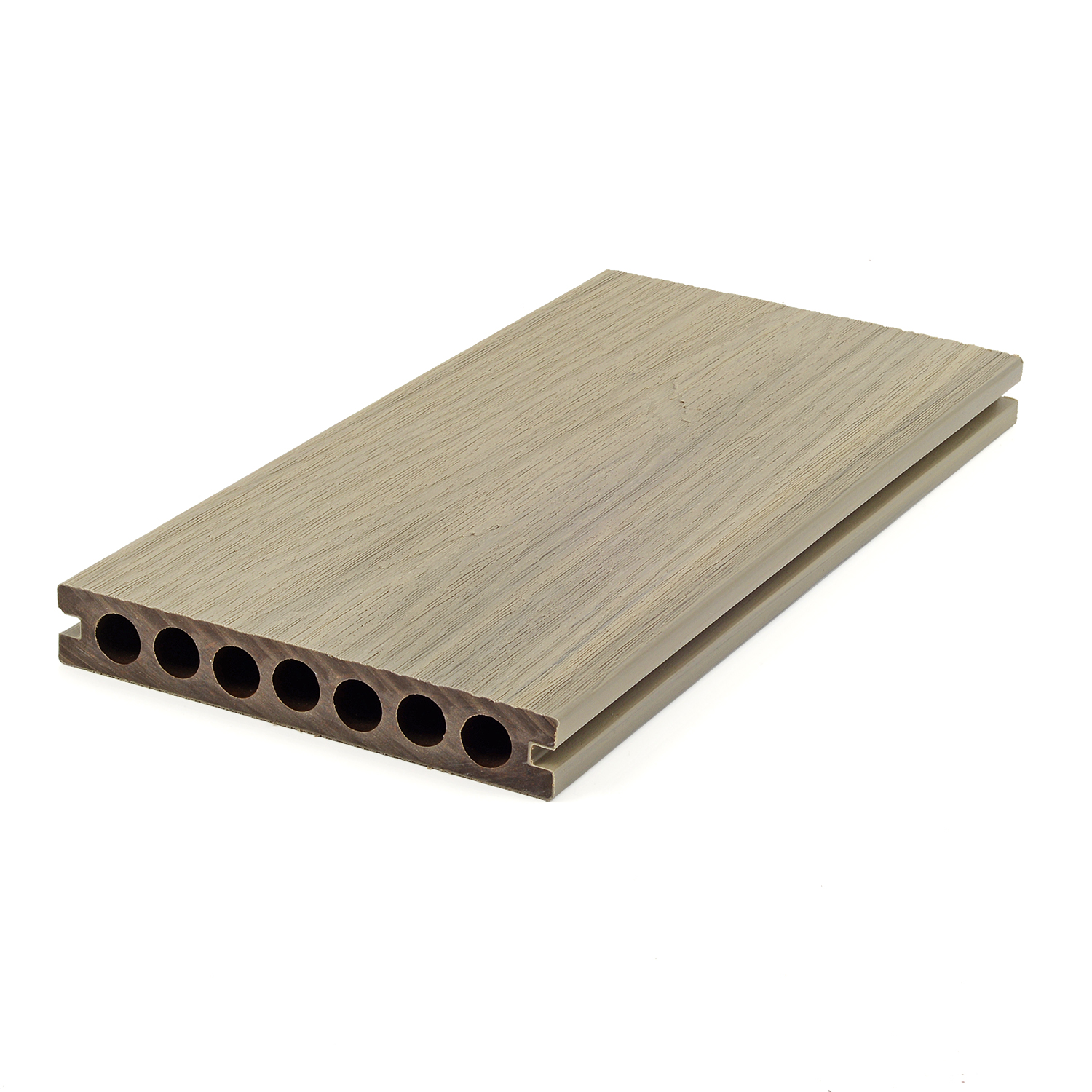
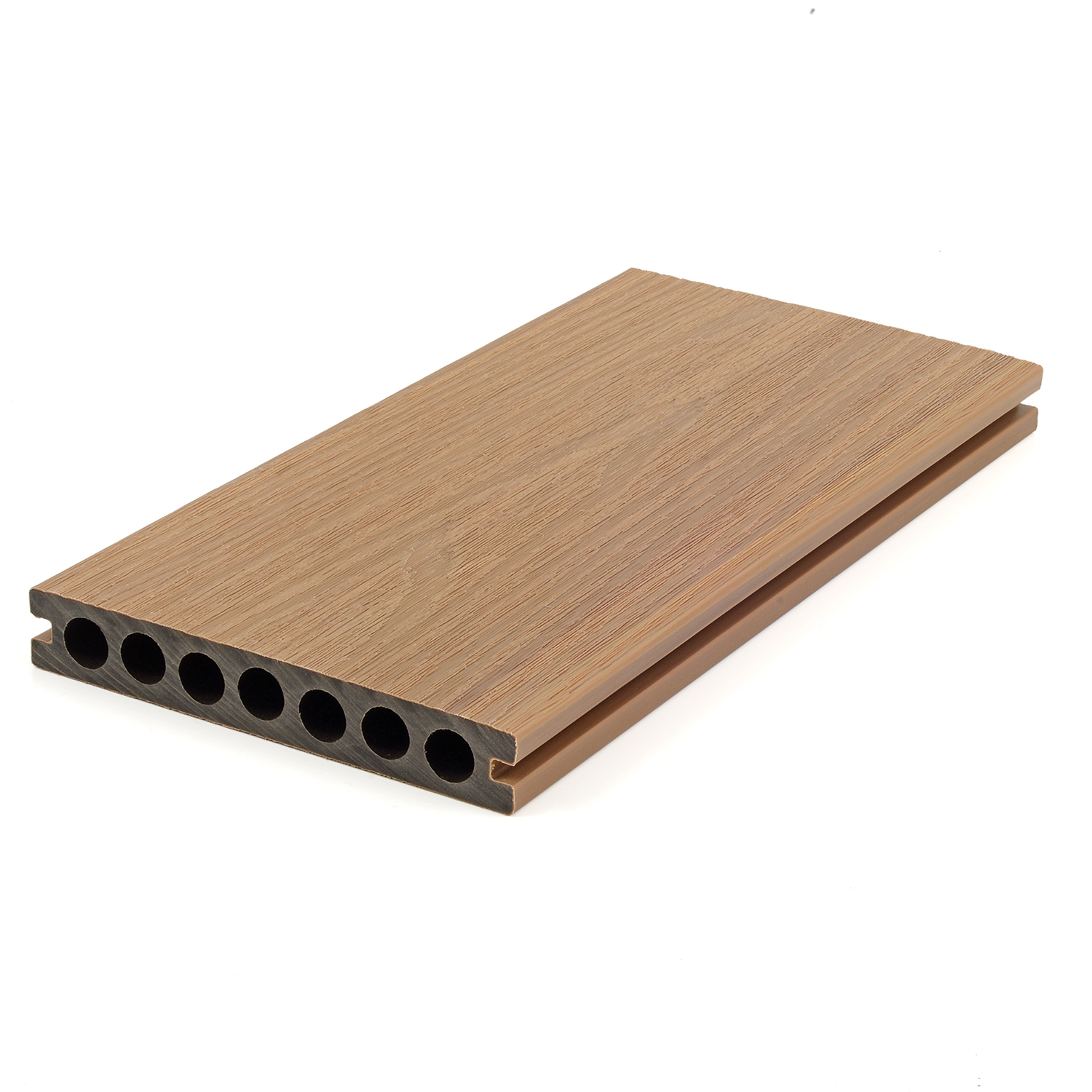
Material Composition: High-quality WPC decking typically consists of a mixture of wood fibers and recycled plastic. Evaluate the ratio of these components, as a higher wood content can enhance the natural look, while more plastic can improve durability and moisture resistance

Durability: Look for specifications on impact resistance, UV stability, and moisture absorption. WPC decking should be able to withstand various weather conditions without warping or fading. Request performance data or certifications that support these claims

Surface Treatment: The surface finish can significantly affect the product's slip resistance and longevity. Products with a capped surface often provide enhanced resistance to stains and fading, making them more suitable for high-traffic areas

Certifications: Check for relevant industry certifications, such as those from ASTM or ISO, which indicate adherence to quality standards. These can provide reassurance regarding the product's performance in real-world conditions

By focusing on these criteria, you can ensure that the WPC decking you choose meets your project requirements and expectations

Frequently Asked Questions

What is WPC decking and its main benefits?

WPC decking combines wood fibers and plastic to create a durable, low-maintenance decking material that resists rot, insects, and fading. It offers a natural look with long-term performance for residential and commercial outdoor spaces.
With proper installation and routine cleaning, WPC decking can last 15–25 years or more, depending on climate and usage. Our 16 years of industry experience ensures quality materials and installation practices for longevity.
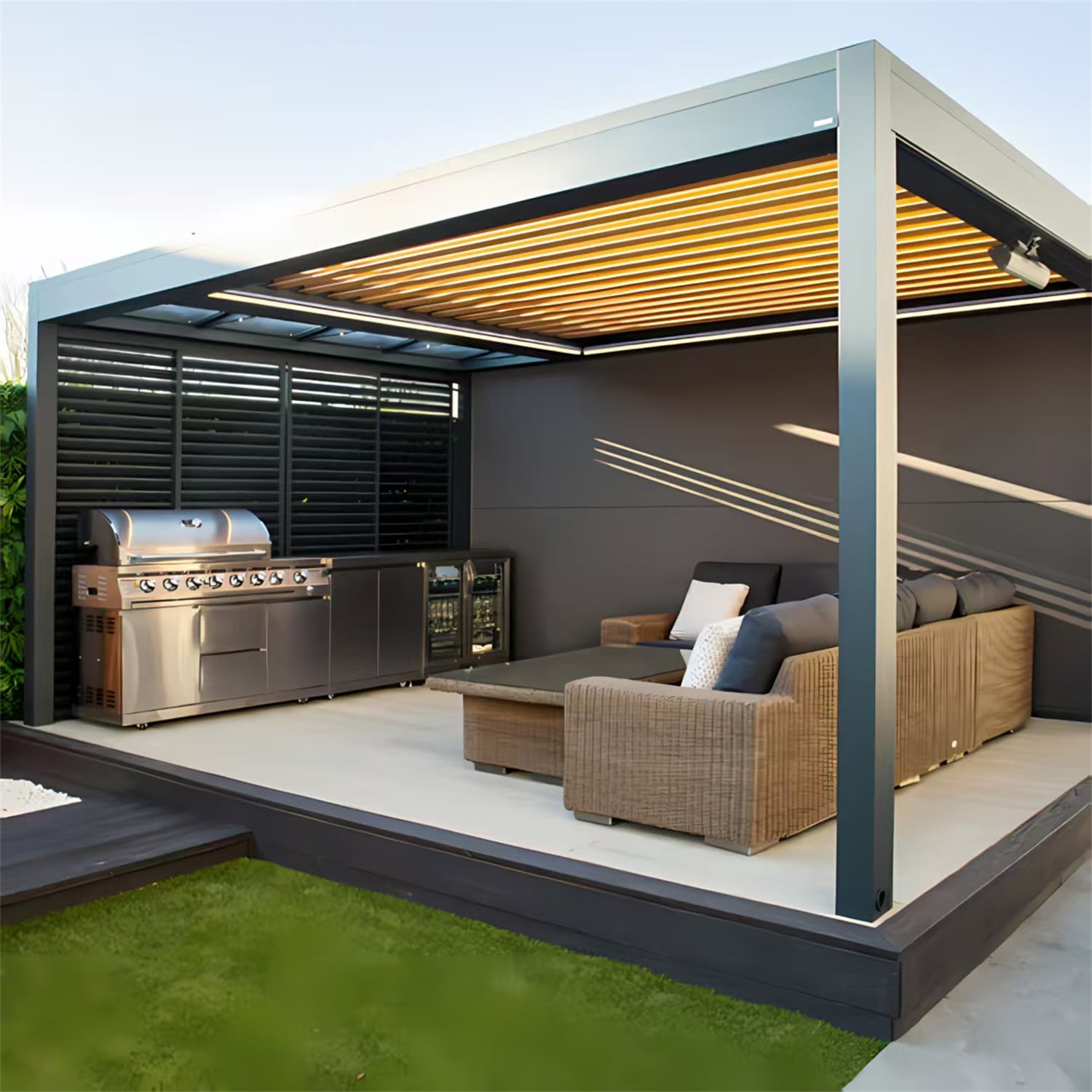
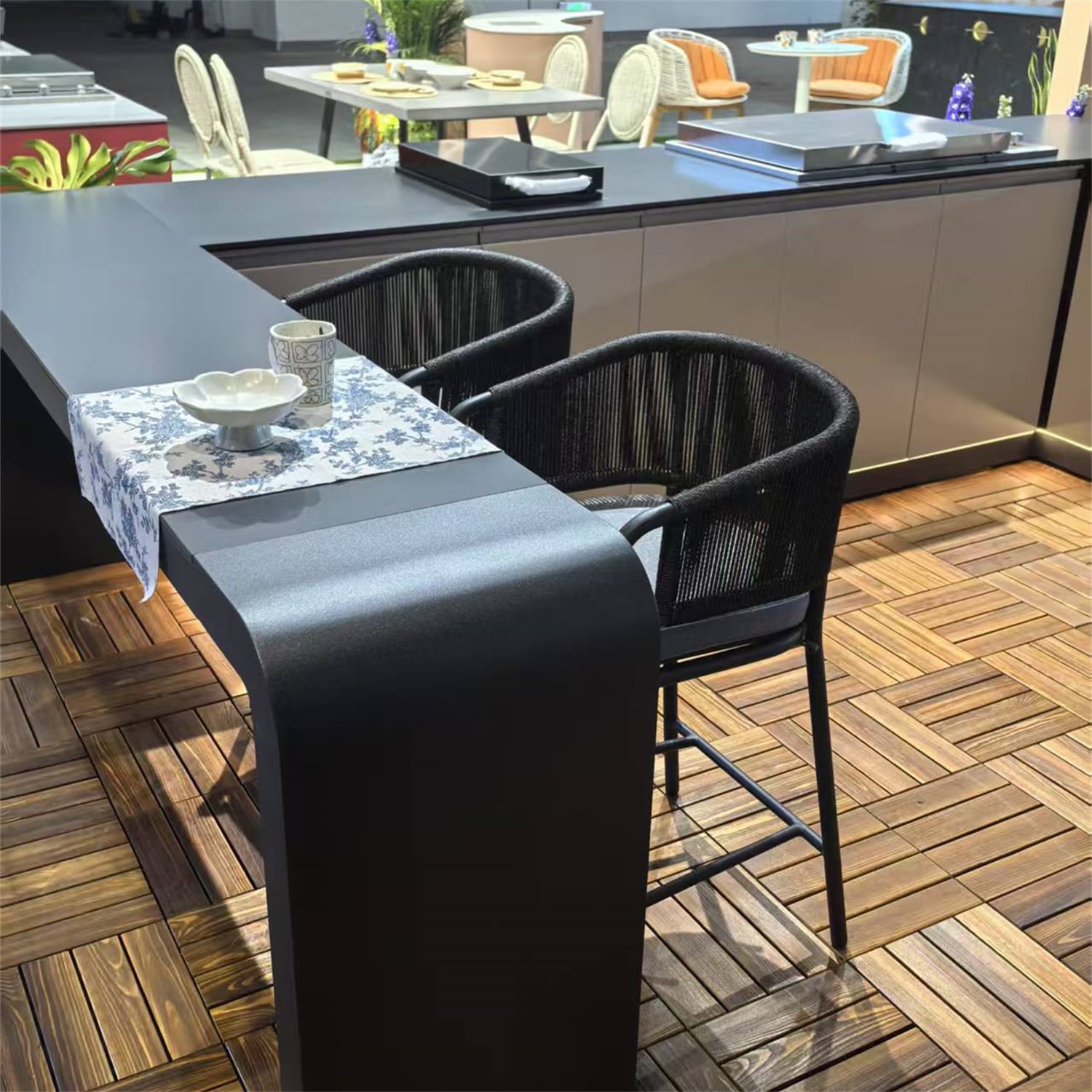
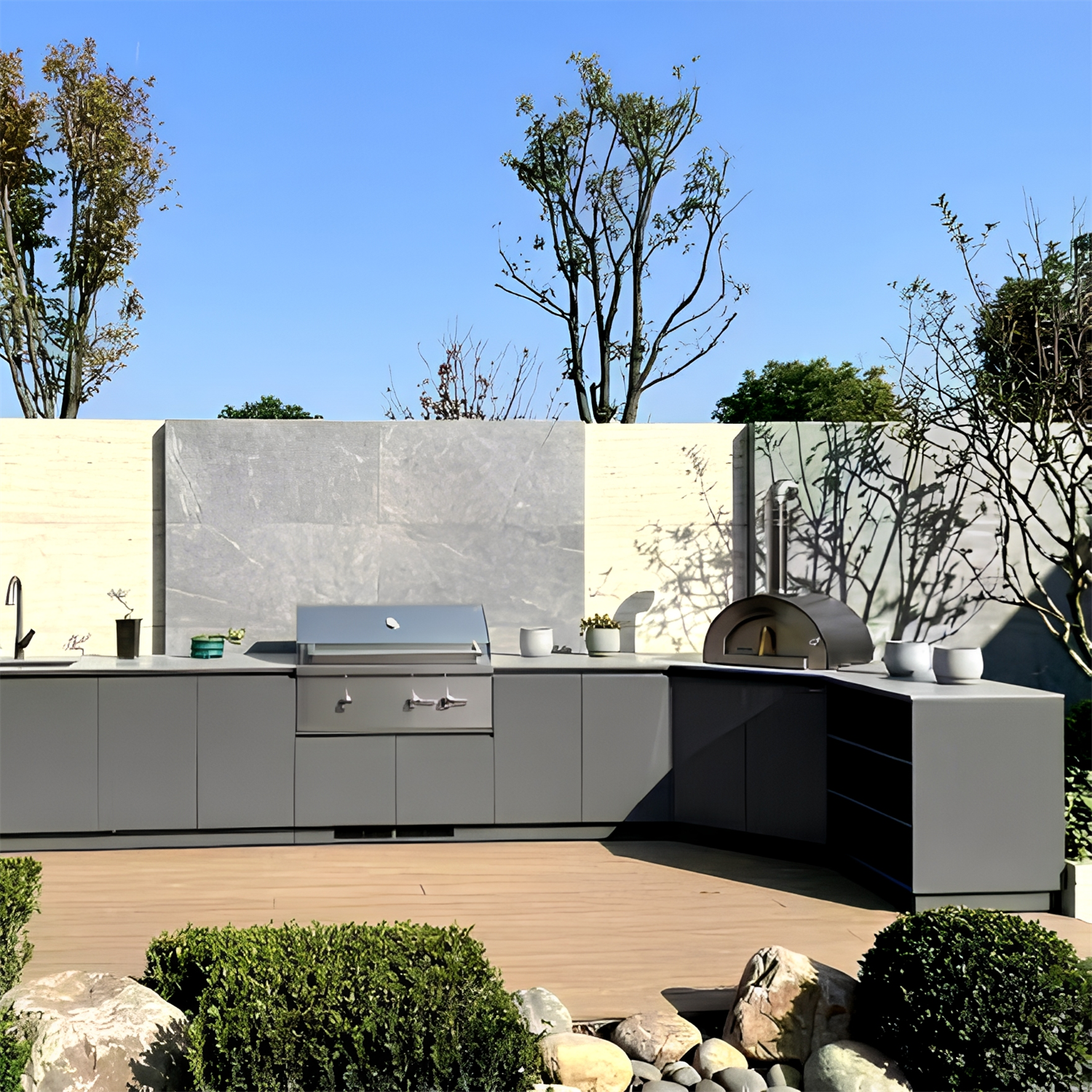
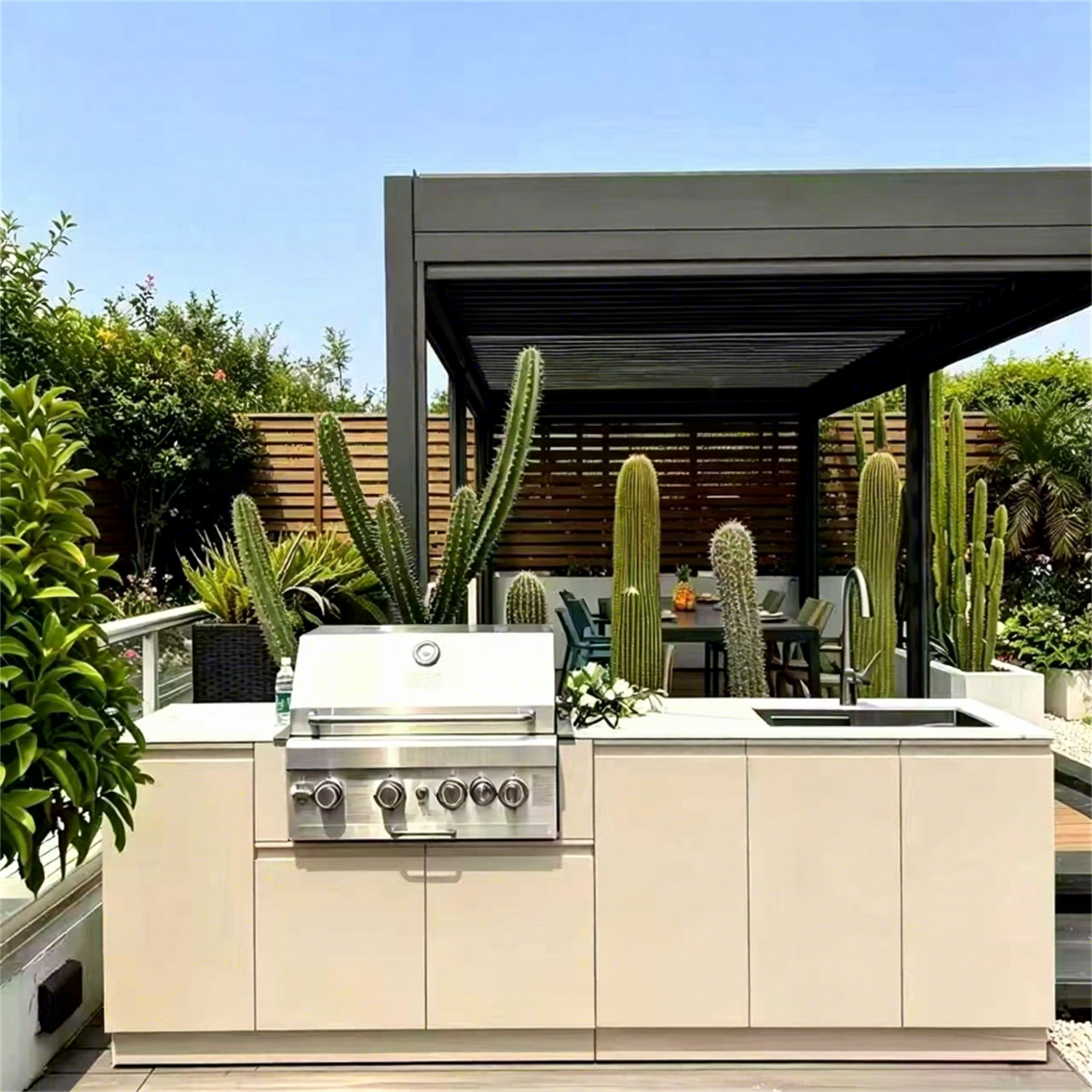
Yes. WPC decking is water-resistant and stable, making it ideal for outdoor kitchens, pergola flooring, and terraces where durability and easy maintenance are essential.
Routine cleaning with soap and water or a mild detergent keeps WPC decking looking great. Avoid harsh chemicals, and remove debris to prevent staining. Periodic inspections for fasteners and joists are recommended.
Yes. We provide tailored WPC decking solutions in various colors, textures, and sizes to meet design and performance requirements for both residential and commercial projects, backed by professional installation.

Get a Free Quote

Our representative will contact you soon.
0/1000