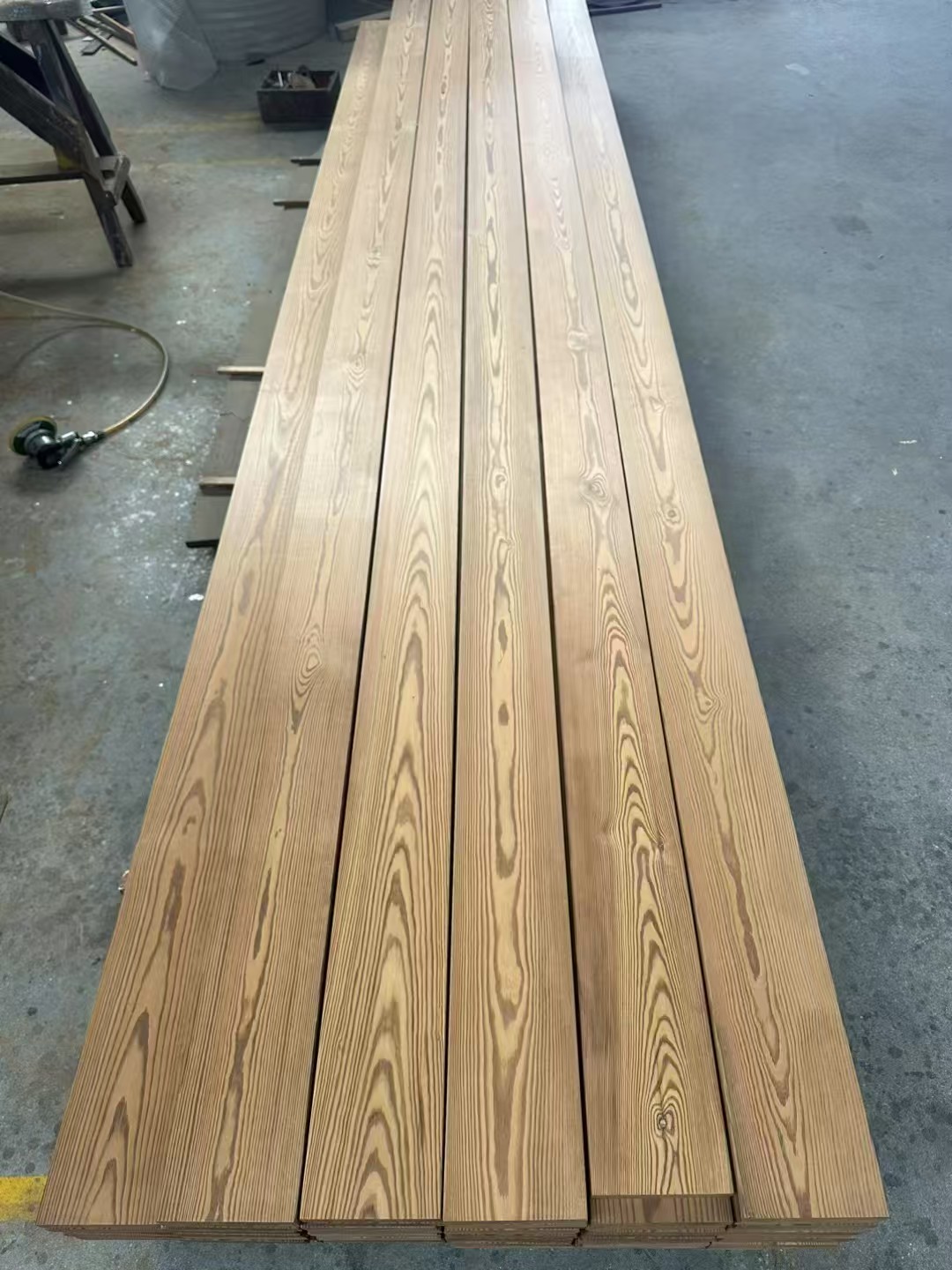
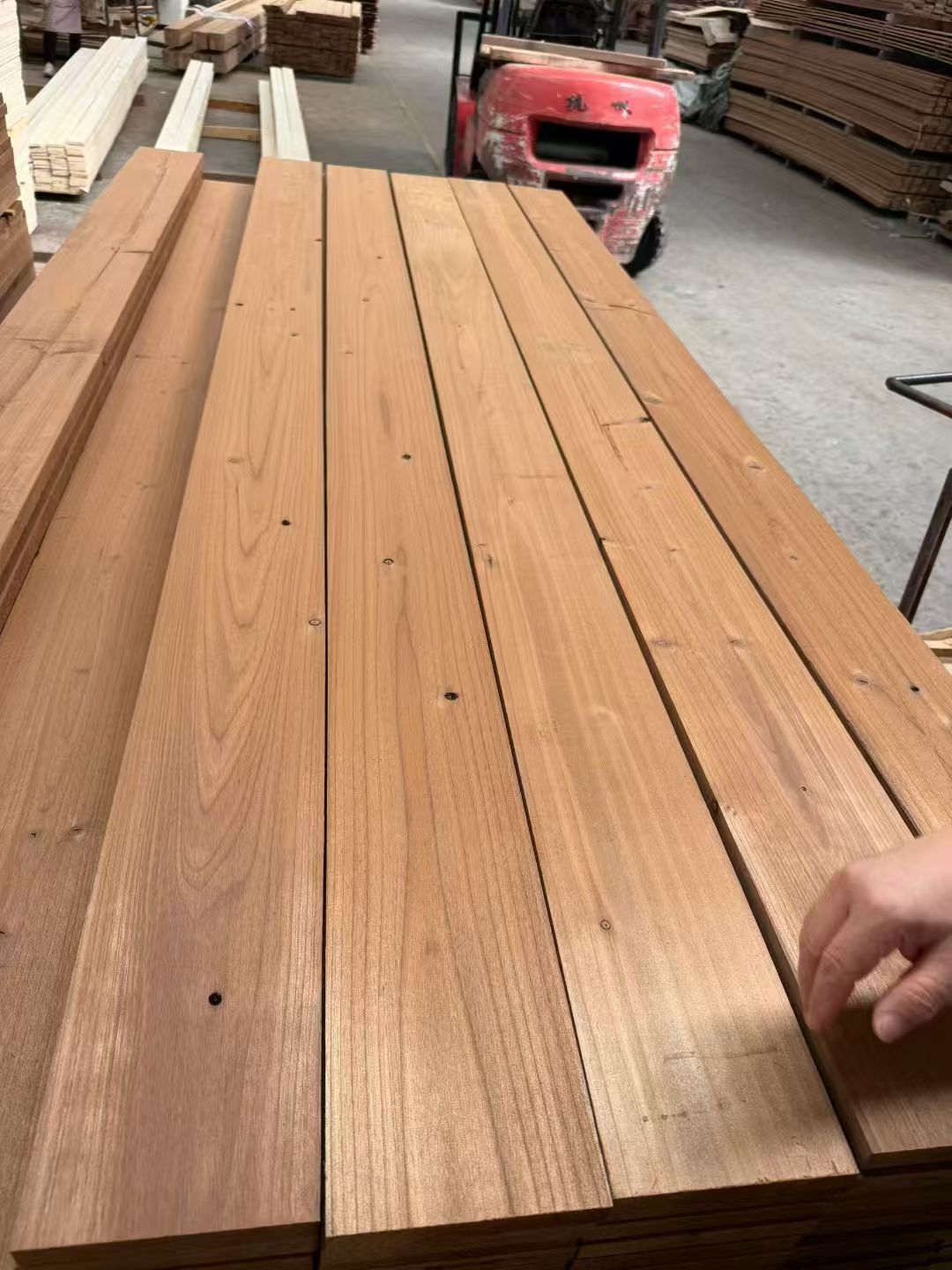
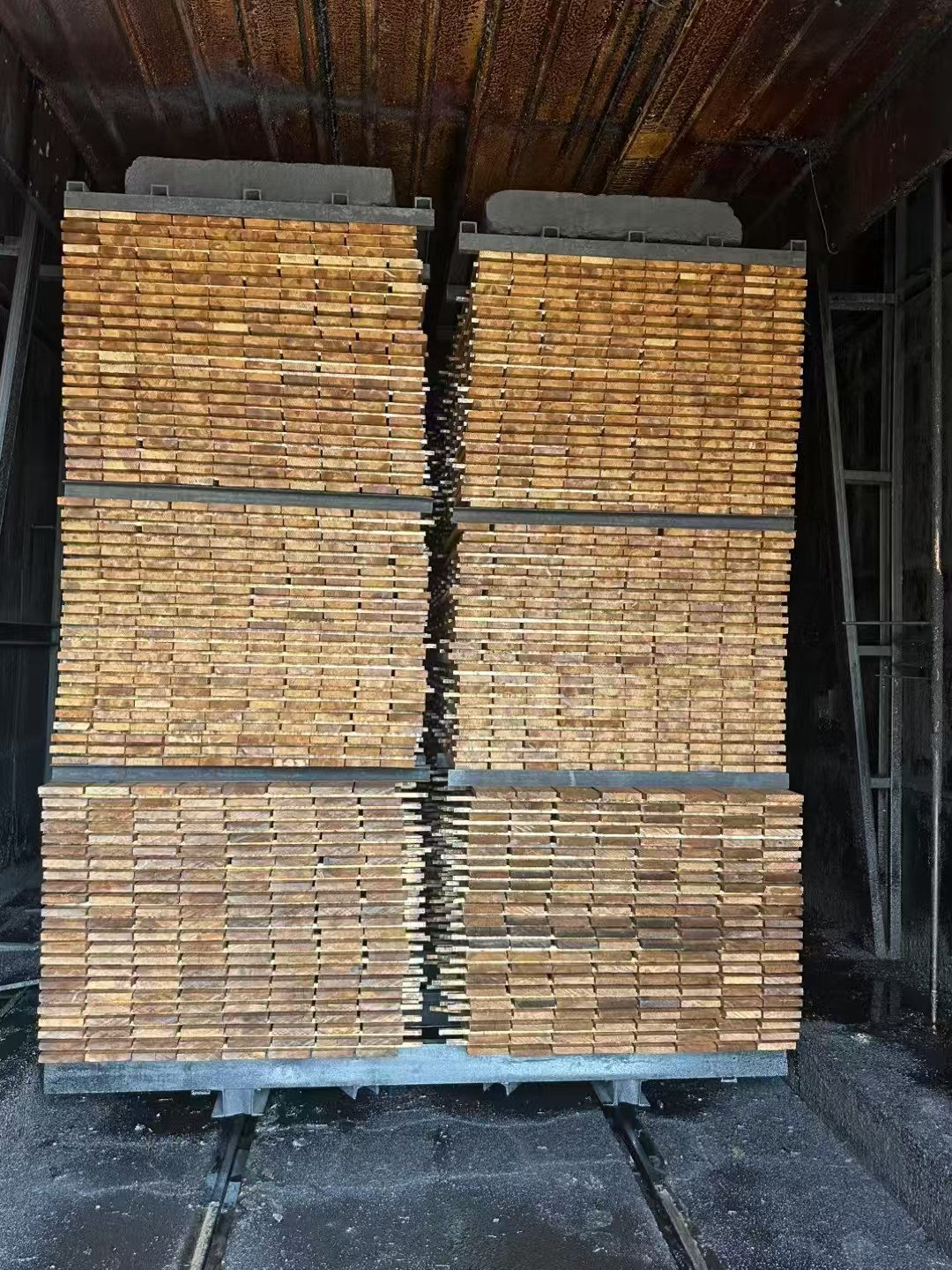
Key Specifications for Thermo Wood Decking

application/thermo-wood-decking, application/thermo-wood-decking, 
Inquiry
Inquiry

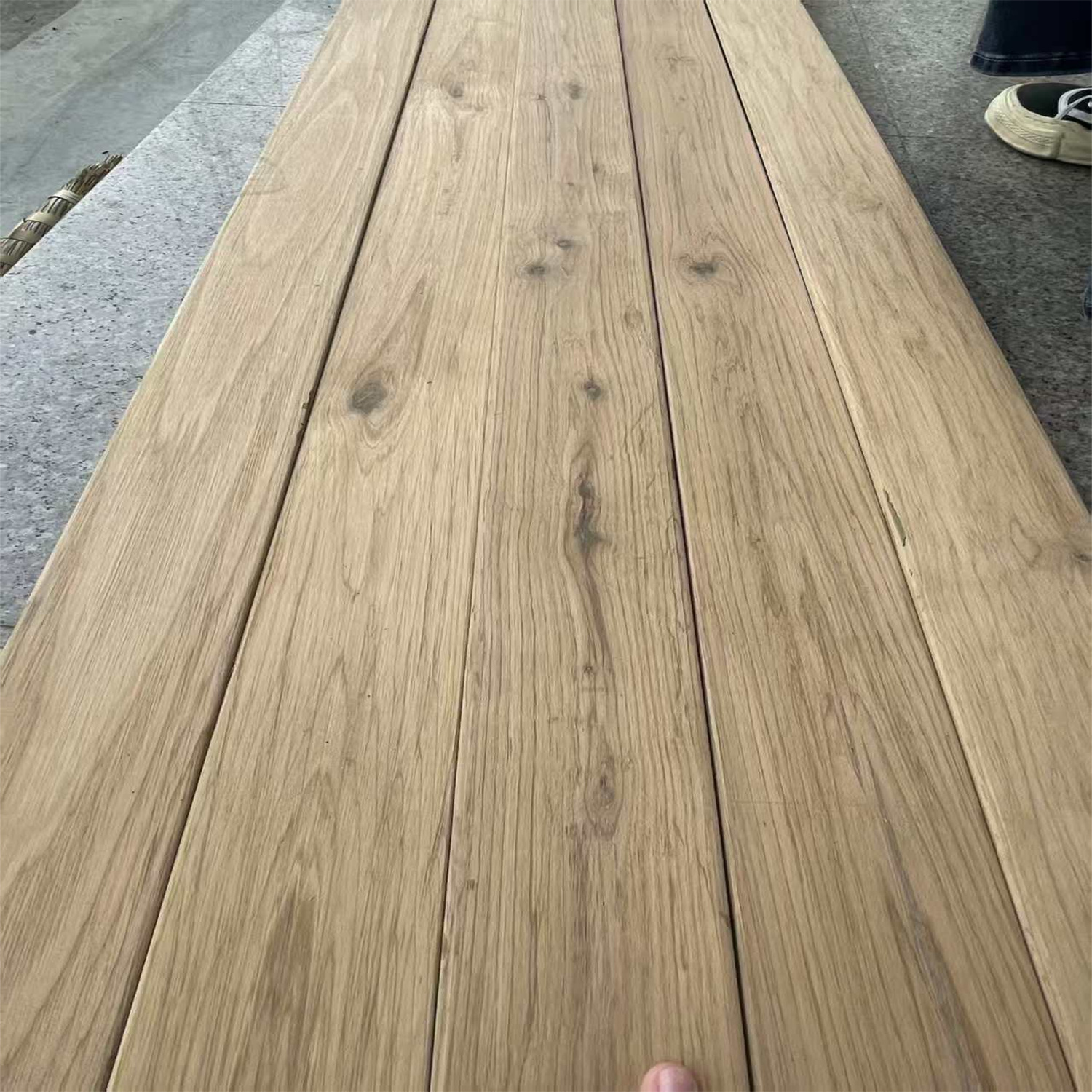
Thermo wood decking

Thermo wood decking offers a sustainable and durable solution for outdoor spaces, combining the natural beauty of wood with enhanced resistance to environmental challenges. As a key consideration for purchasing managers and project planners, understanding the specifications, applications, and installation processes associated with thermo composite decking is vital. This article will explore essential aspects to assist you in making informed decisions regarding your next project involving thermo wood decking. 

How to Choose the Best Thermo Wood Decking for Your Project

How to Choose the Best Thermo Wood Decking for Your Project

Choosing the right thermo wood decking involves evaluating several factors tailored to your specific project needs: 

Project Environment: Assess the exposure conditions such as humidity, temperature fluctuations, and UV exposure. Projects in high-moisture areas may benefit from species with higher decay resistance. 

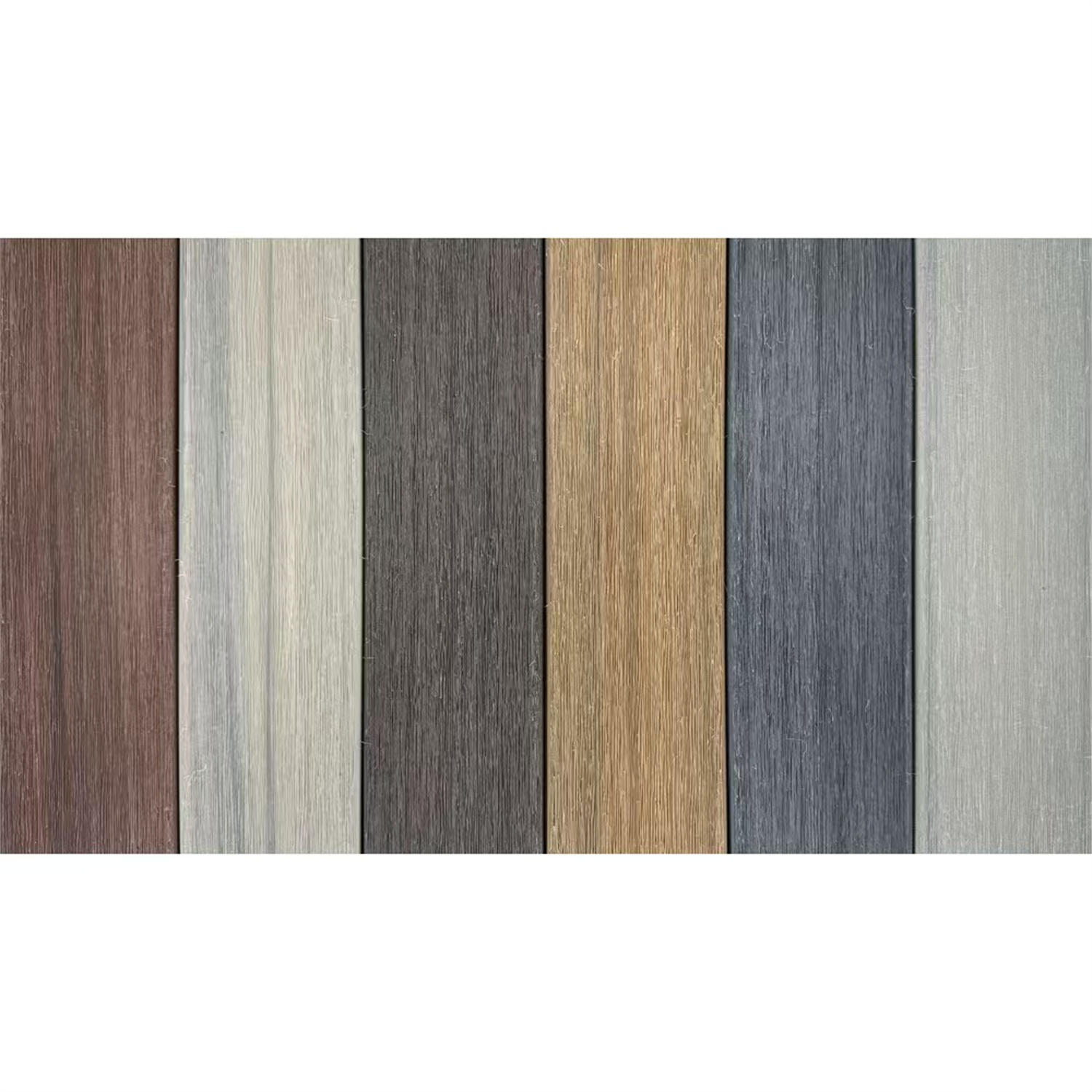
Aesthetic Goals: Consider the design and color palette of the surrounding environment. Thermo wood can range from light golden hues to rich browns, affecting the overall look of your outdoor space. 

Load-Bearing Requirements: For commercial applications or high-traffic residential areas, ensure that the decking can handle the intended load. Consult with the supplier about the performance characteristics of different wood species. 

Installation Method: The choice of installation can affect the WPC composite decking performance. Traditional screw-down methods versus hidden fasteners may influence the finish and longevity of the decking. 

Maintenance Expectations: Evaluate the long-term maintenance requirements. While thermo wood is generally low-maintenance, some finishes may require periodic reapplication to maintain appearance and performance. 

By considering these factors, you can select thermo wood decking that aligns with both your functional and aesthetic requirements. 

Understanding Pricing for Bulk Thermo Wood Orders

Understanding Pricing for Bulk Thermo Wood Orders

Pricing for bulk thermo wood decking orders can vary based on several determinants: 

Material Costs: The selected wood species and its availability can significantly affect pricing. Rare or slow-growing species typically command higher prices. 

Order Volume: Larger orders often qualify for bulk pricing discounts. Understanding the minimum order quantities (MOQ) is essential to maximizing your budget. 

Customization Options: Custom dimensions, finishes, or treatments may increase costs. Discussing your specific requirements upfront can help avoid unexpected price increases. 

Shipping and Handling: Consider the logistics of delivery, including shipping costs based on distance, handling fees, and possible tariffs for international orders. 

Market Fluctuations: Wood prices can fluctuate based on market demand and environmental factors. Staying informed about market trends can help in budgeting accurately. 

Understanding these pricing factors will enable you to plan effectively and negotiate favorable terms for your bulk thermo wood decking orders. 

Common Installation Problems with Thermo Wood Decking and Solutions

Common Installation Problems with Thermo Wood Decking and Solutions

Installation of thermo wood decking can present challenges that, if unaddressed, may lead to performance issues. Here are some common problems and their solutions: 

Warping and Buckling: Insufficient acclimatization can cause the wood to warp. Ensure that the decking is allowed to acclimate to its environment for several days before installation. 

Improper Fastening: Using incorrect fasteners can lead to splitting or excessive movement. Opt for stainless steel or coated fasteners designed for exterior use to prevent rust and ensure longevity. 

Inadequate Spacing: Failing to provide adequate spacing between boards can lead to moisture buildup and hinder drainage. A gap of at least 5-6mm is recommended to allow for expansion and contraction. 

Surface Finishing Issues: Inconsistent application of surface treatments can lead to uneven appearance and performance. Following manufacturer guidelines for application methods and drying times is essential for achieving a uniform finish. 

Failure to Account for Slope: When installing decking in areas prone to water accumulation, ensure that a slight slope is incorporated to facilitate drainage and prevent pooling. 

By anticipating these installation challenges and implementing practical solutions, you can ensure a successful thermo wood decking project. 

Applications of Thermo Wood Decking in Residential and Commercial Projects

Thermo wood decking is versatile and can be applied in various residential and commercial settings. Here are some common applications: 

Residential Patios and Decks: The natural beauty and durability of thermo wood make it an attractive choice for outdoor living spaces, enhancing aesthetics while providing a functional area for relaxation and entertainment. 

Boardwalks and Pathways: In public parks and waterfronts, thermo wood decking withstands harsh weather conditions and foot traffic, making it ideal for walkways and boardwalks. 

Pool Surrounds: With its resistance to moisture and heat, thermo wood is suitable for pool areas, providing a safe and visually appealing surface that remains cool underfoot. 

Commercial Outdoor Spaces: Restaurants and cafes often use thermo wood decking for patios and outdoor dining areas, as it adds a warm, inviting ambiance that attracts customers. 

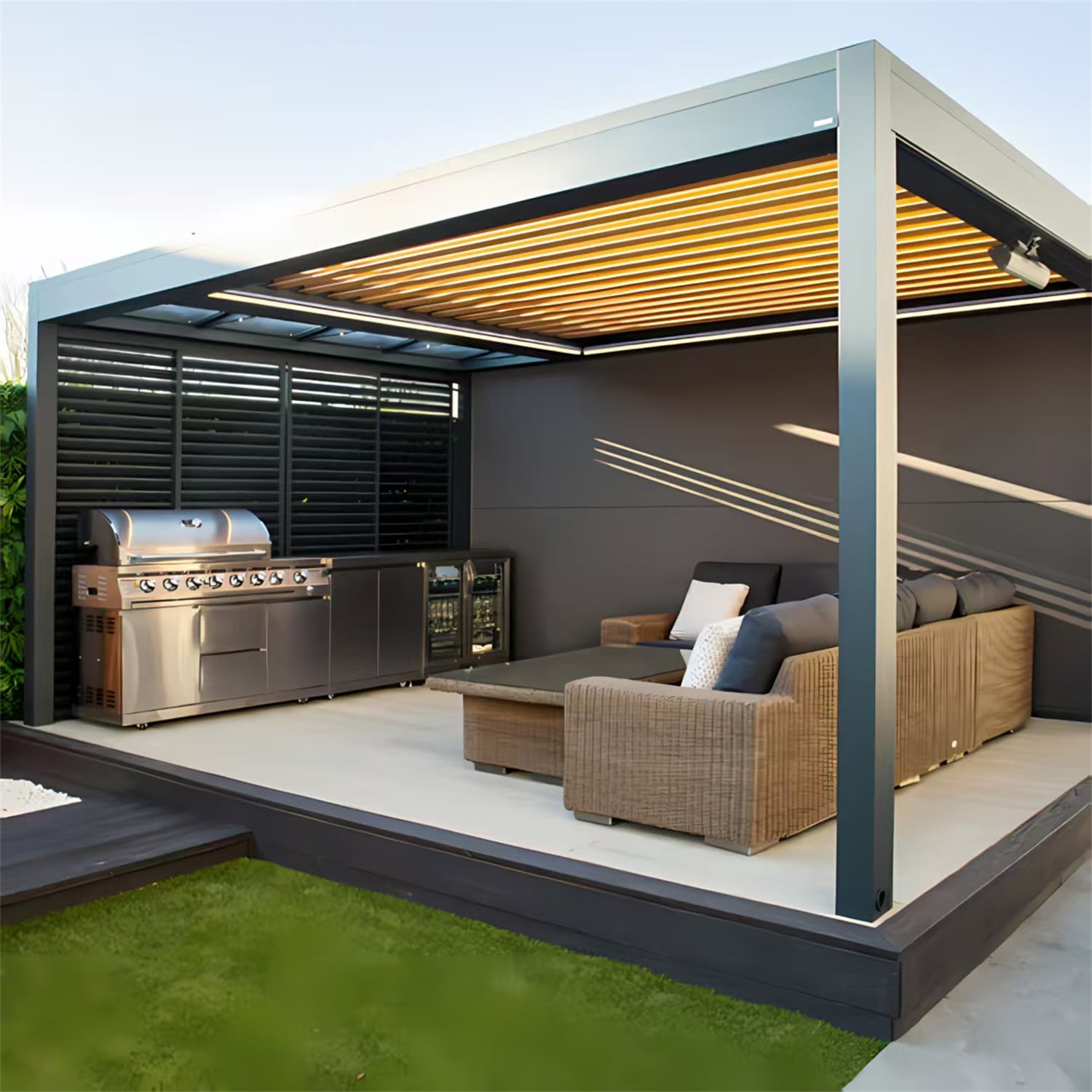
Garden Structures: Pergolas and outdoor kitchens benefit from the strength and aesthetic appeal of thermo wood, creating functional yet attractive additions to any landscape. 

These applications highlight the adaptability and benefits of thermo wood decking in enhancing both residential and commercial outdoor environments. 

By addressing these crucial aspects, purchasing managers and project planners can make informed decisions that optimize the use of thermo wood decking in their projects. 

Key Specifications to Consider for Thermo Wood Decking Selection

When selecting thermo wood decking, several specifications play a crucial role in both performance and aesthetic appeal. Here are the key factors to consider: 

Wood Species: The type of wood affects durability, appearance, and performance. Common species for thermo wood include Scandinavian pine, ash, and beech,  each offering unique characteristics. 

Thickness and Dimensions: Standard WPC decking thickness ranges from 19mm to 30mm, with widths often between 90mm and 150mm. Thicker boards generally provide greater stability and resistance to warping. 

Moisture Content: A lower moisture content (typically around 6-10%) indicates a well-treated product, which minimizes shrinkage and expansion during seasonal changes. 

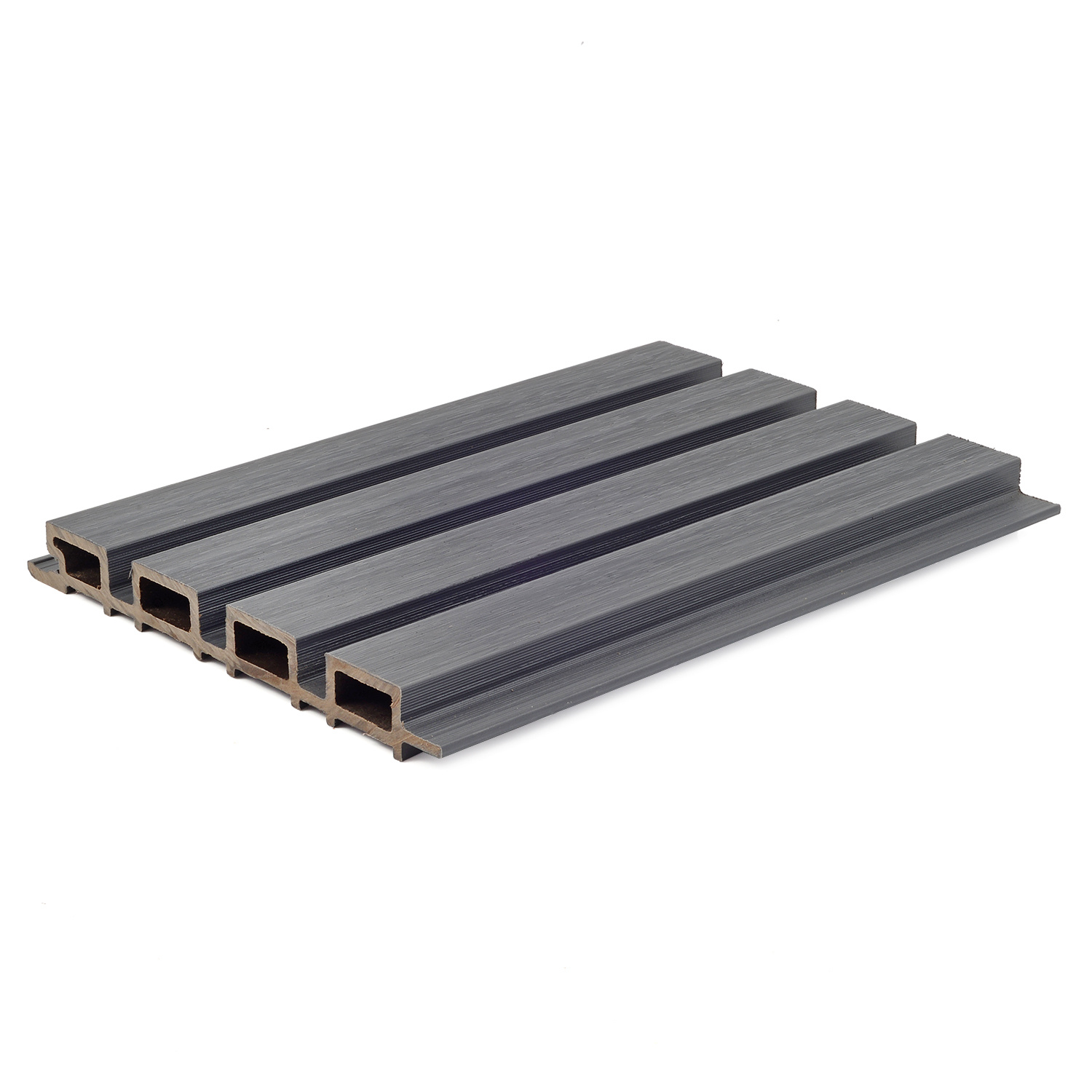
Surface Treatment: The surface finish can impact both aesthetics and performance. Options include brushed, smooth, or grooved finishes, each offering different levels of slip resistance and visual appeal. 

Thermal Modification Process: The specific thermal modification process used (temperature and duration) can influence the wood's properties, including color stability, decay resistance, and dimensional stability. 

Understanding these specifications will help ensure that the selected thermo wood decking meets the project's performance requirements and aesthetic preferences. 

Frequently Asked Questions

What is thermowood decking?

Thermowood decking is heat-treated timber with improved durability, dimensional stability, and resistance to rot, offering a natural wood appearance for outdoor decks and landscaping.
We offer multiple board widths, thicknesses, lengths, and grooved or smooth profiles to suit residential and commercial projects. Contact us for specific dimensions and customization.
With proper installation and maintenance, thermowood decking can last 15–25 years depending on climate and use. Our products are treated to enhance longevity in outdoor environments.
Regular cleaning, occasional sealing or oiling, and prompt removal of debris maintain appearance and performance. We provide maintenance guidelines tailored to project conditions.
Yes. With 16 years experience, we offer integrated outdoor living solutions including supply, design support, and installation for residential and commercial projects.

Get a Free Quote

Our representative will contact you soon.
0/1000