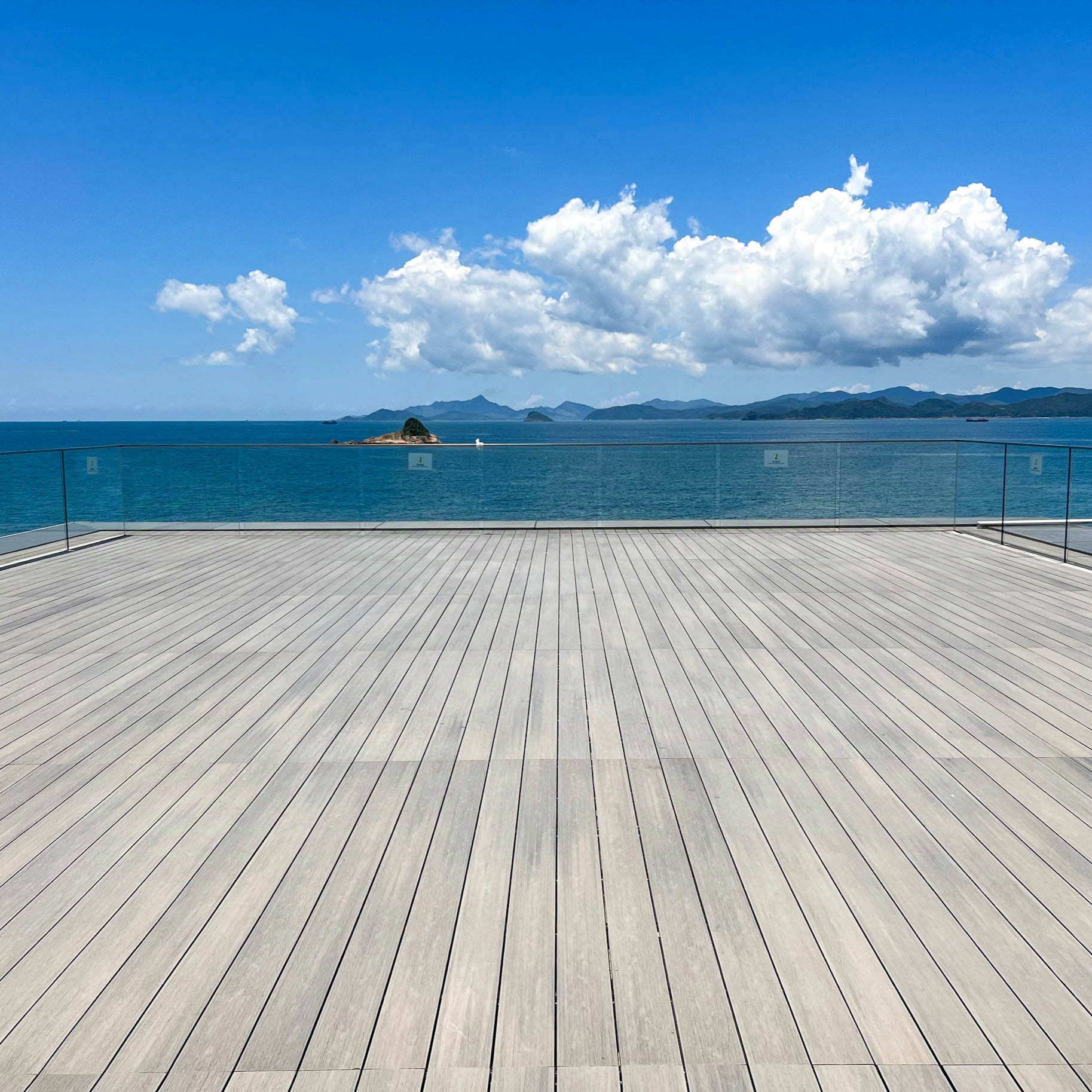
Choosing WPC Outdoor Flooring for Your Projects

application/wpc-outdoor-flooring, application/wpc-outdoor-flooring, 
Inquiry
Inquiry

Wpc outdoor flooring

When considering outdoor flooring options, WPC (Wood-Plastic Composite) outdoor flooring stands out as a versatile and practical solution. This article delves into key aspects of WPC outdoor flooring, helping purchasing managers and project managers make informed decisions. We will explore the factors to consider when selecting WPC flooring, evaluate product quality, address common challenges, highlight applications in both residential and commercial spaces, and explain the material advantages that make WPC a preferred choice for outdoor environments. 

How to Evaluate the Quality of WPC Outdoor Flooring Products

How to Evaluate the Quality of WPC Outdoor Flooring Products

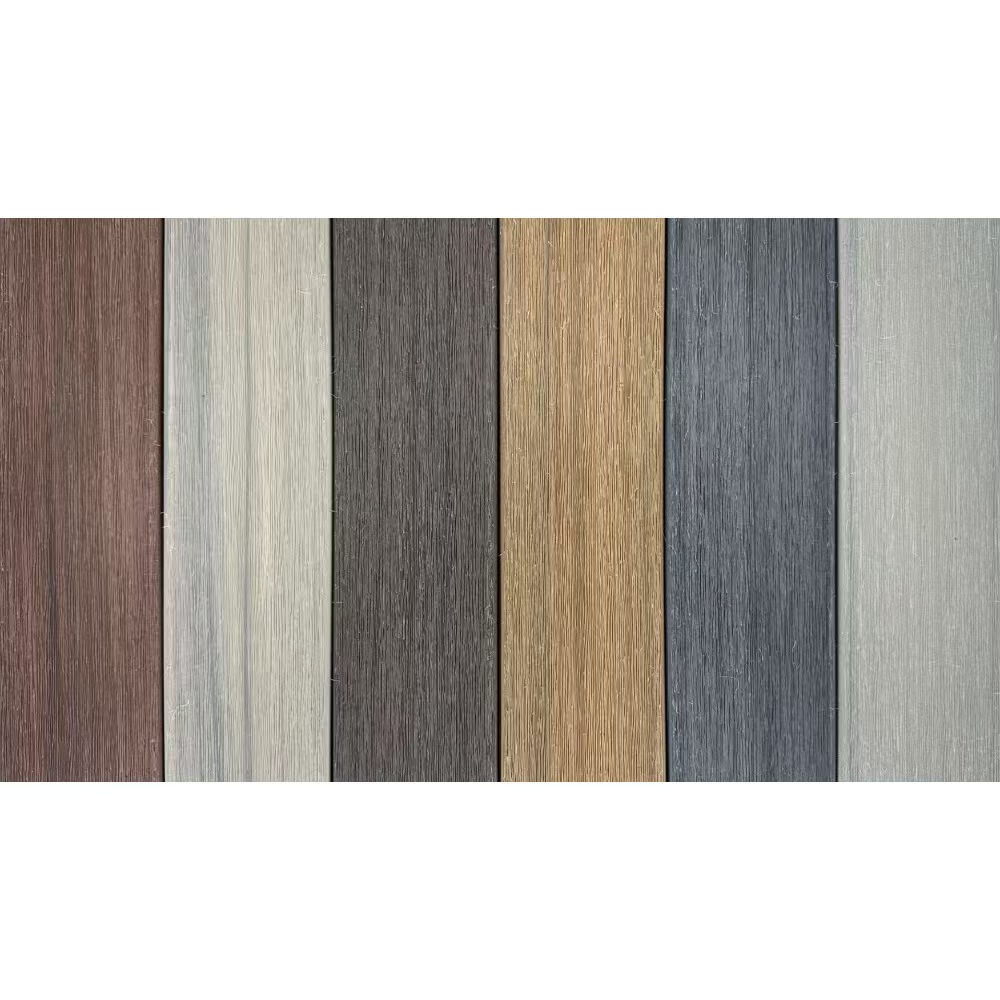
Evaluating the quality of WPC outdoor flooring products requires attention to several key specifications. First, examine the material composition. High-quality WPC typically consists of a balanced ratio of wood fibers and plastic, which enhances strength while reducing moisture absorption. Look for products that specify their wood content and the type of plastic used, as this can affect both durability and maintenance requirements. Next, consider the manufacturing process. Quality control measures during production can significantly impact the final product. Ask about the certifications and testing that the flooring has undergone, such as resistance to UV radiation, mold, and mildew. A reputable manufacturer will provide test results that demonstrate compliance with industry standards. Check the surface finish as well. A high-quality finish not only enhances aesthetics but also provides additional protection against scratches and stains. Buyers should request samples to evaluate the appearance, texture, and overall feel of the product before making bulk purchases. This hands-on assessment can help ensure that the flooring meets both aesthetic and functional expectations. 

Common Problems with WPC Outdoor Flooring and Their Solutions

Common Problems with WPC Outdoor Flooring and Their Solutions

While WPC outdoor flooring offers numerous benefits, it is not without potential challenges. One common issue is fading due to prolonged exposure to sunlight. To mitigate this, buyers should choose products with UV inhibitors, which help maintain color integrity over time. Regular cleaning and maintenance can also reduce the impact of environmental factors. Another concern is moisture retention, which can lead to mold growth. Ensuring proper drainage and airflow around the flooring can help prevent this issue.  Additionally, selecting a product with a textured surface can minimize the risk of slipping when wet. Buyers might also encounter problems related to expansion and contraction due to temperature changes. To stainless outdoor cabinets address this, it is essential to follow the manufacturer’s installation guidelines, which often include leaving adequate spacing between planks. This allows for natural movement without warping or buckling. 

Applications of WPC Outdoor Flooring in Residential and Commercial Spaces

Applications of WPC Outdoor Flooring in Residential and Commercial Spaces

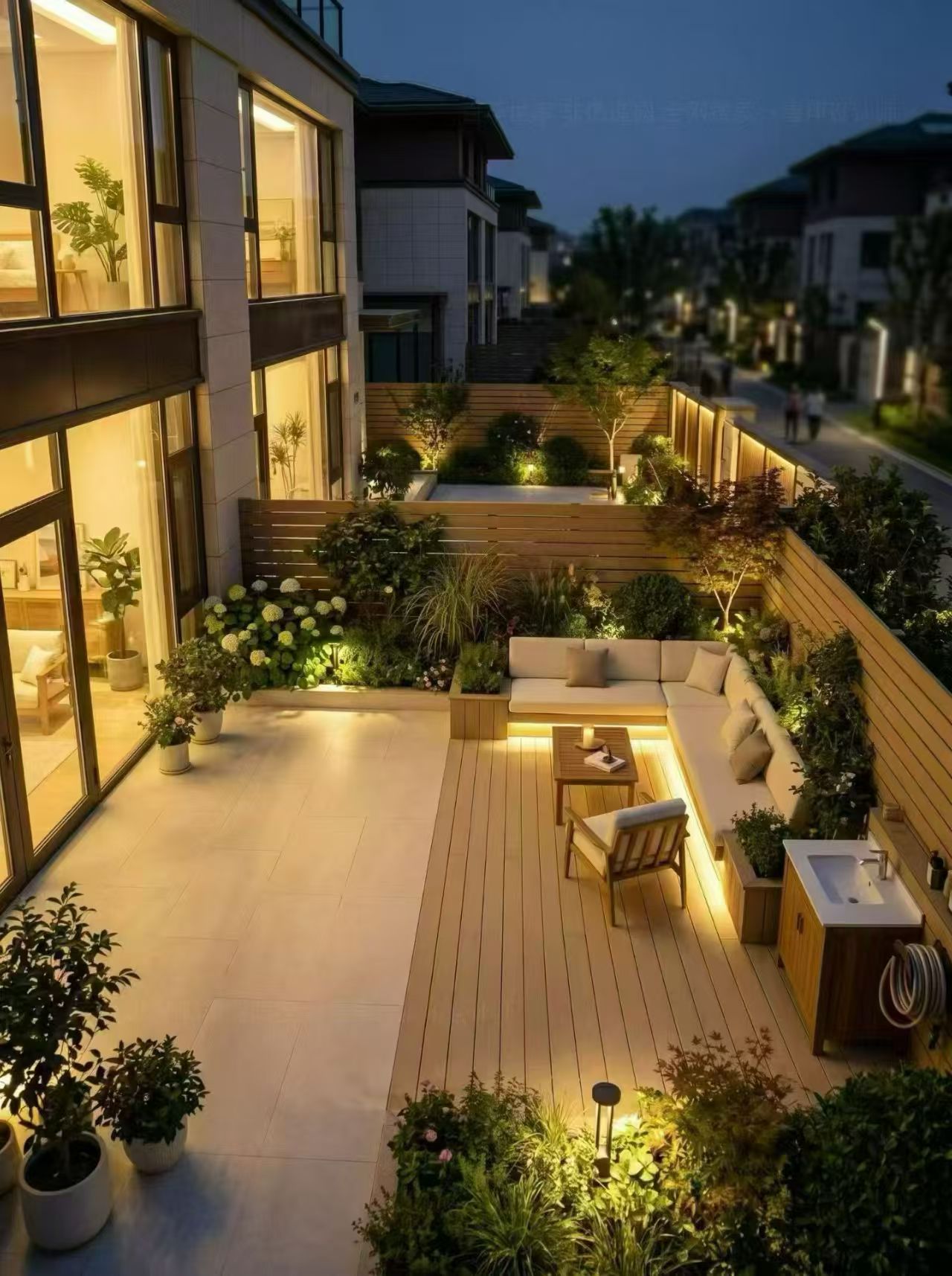
WPC outdoor flooring is highly versatile, making it suitable for a range of applications in both residential and commercial settings. In residential projects, it is commonly used for decks, patios, and around swimming pools, providing a durable and attractive surface that complements outdoor living spaces. For commercial applications, WPC flooring is ideal for public areas such as boardwalks, rooftop terraces, and outdoor dining spaces. Its resistance to moisture and fading makes it an excellent choice for environments that experience heavy foot traffic or direct sunlight. Additionally, WPC's low maintenance requirements appeal to businesses looking to minimize upkeep costs while maintaining an inviting atmosphere. In both settings, WPC flooring can enhance aesthetic appeal while providing practical benefits such as slip resistance and ease of installation. Customization options are also available, allowing buyers to select colors and finishes that align with their design vision. 

Understanding the Material Advantages of WPC Outdoor Flooring Solutions

WPC outdoor flooring combines the best properties of wood and plastic, offering several advantages over traditional materials. One of the most significant benefits is its resistance to moisture and insects, making it less susceptible to rotting, warping, or splintering compared to natural wood. This durability translates into lower maintenance costs and longer lifespan, which is particularly appealing in outdoor applications. Another advantage is the ease of installation. WPC boards typically feature interlocking systems or groove designs that simplify the installation process, reducing labor costs and time. Moreover, the lightweight nature of WPC products makes handling and transport more manageable. From an environmental perspective, many WPC products are made from recycled materials, contributing to sustainability efforts. Buyers should inquire about the outdoor cabinets specific material sourcing and production processes to ensure they align with their ecological goals. In summary, WPC outdoor flooring presents a practical solution for various outdoor applications. By understanding the essential considerations for selection, quality evaluation, common challenges, applications, and material advantages, purchasing managers and project leaders can make informed decisions that meet their project requirements. 

What to Consider When Choosing WPC Outdoor Flooring for Projects

Selecting the right WPC outdoor flooring involves several factors that impact both aesthetics and functionality. First, buyers should consider the specific application, as different environments may require varying levels of durability and moisture resistance. For example, flooring in high-traffic commercial areas needs to withstand greater wear compared to residential installations. Another important consideration is the thickness and density of the boards. A thicker board typically offers better durability and resistance to bending or warping. Additionally, the surface texture can affect slip resistance, which is crucial for safety in wet conditions. Buyers should also think about the color and finish options available, as these can influence the WPC decking overall design of a project. Furthermore, understanding the manufacturer's warranty and guarantees is essential. A robust warranty indicates the manufacturer's confidence in their product quality and can provide peace of mind for long-term investments. Lastly, considering the environmental impact of WPC materials can align with sustainability goals, as many WPC products are made from recycled materials and are recyclable themselves. 

Frequently Asked Questions

What is WPC outdoor flooring made of?

Our WPC outdoor flooring is a wood-plastic composite combining wood fibers and high-density polymer with UV stabilizers and additives for durability and low maintenance.
Yes. WPC is ideal for residential patios, decks, and balconies due to its slip resistance, weather tolerance, and long-term color stability.
Routine cleaning with soap and water, occasional gentle brushing, and removing stains promptly keeps WPC looking new. No sealing or sanding required.
With proper installation and basic care, our WPC flooring typically lasts 15–25 years in residential and commercial settings.
Yes. With 16 years of experience, we provide integrated solutions including supply, professional installation, and project support for outdoor living spaces.

Get a Free Quote

Our representative will contact you soon.
0/1000