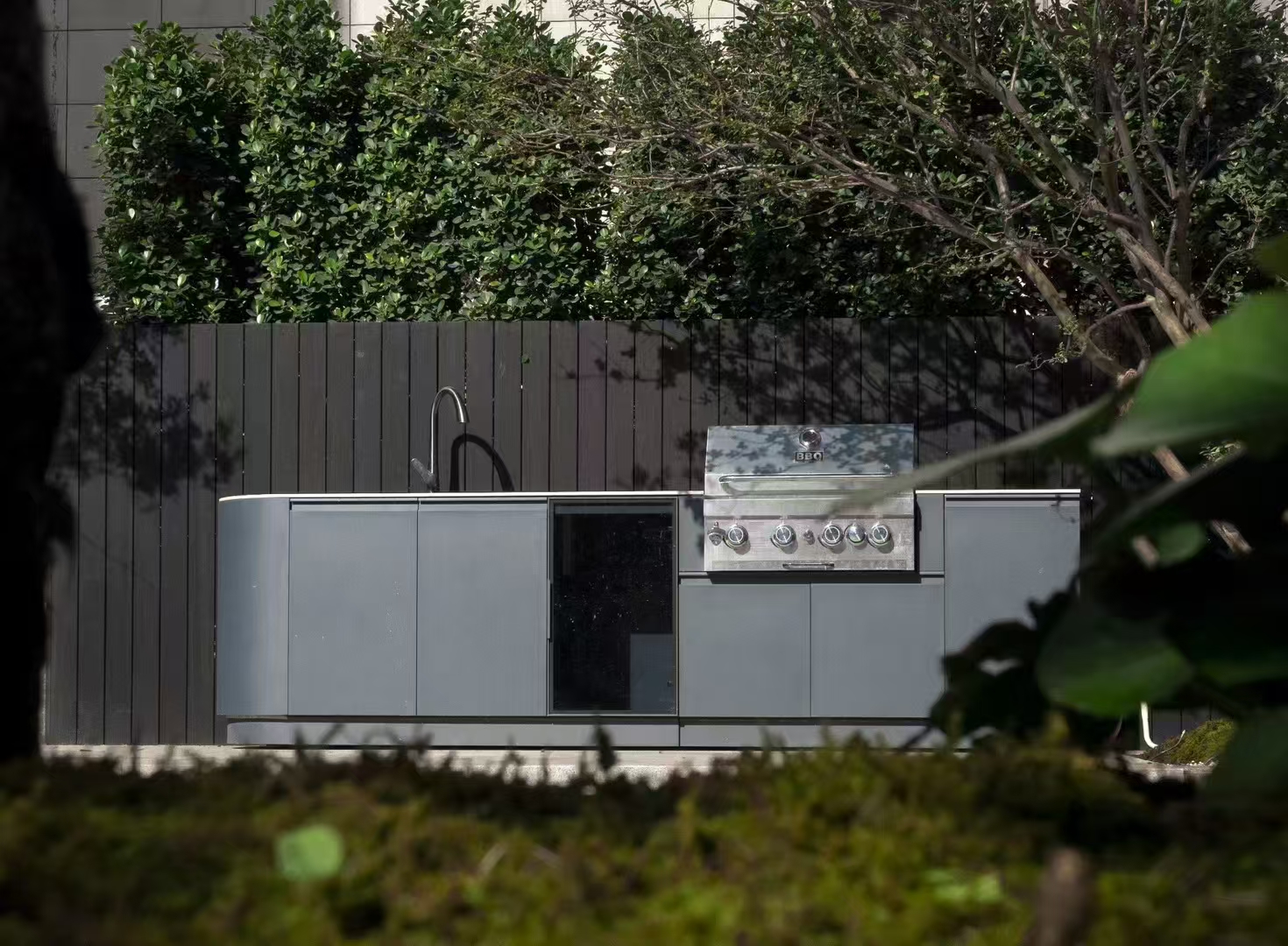
Choosing an Outdoor Kitchen Layout for Projects

application/outdoor-kitchen-layout, application/outdoor-kitchen-layout, 
Inquiry
Inquiry

Outdoor kitchen layout

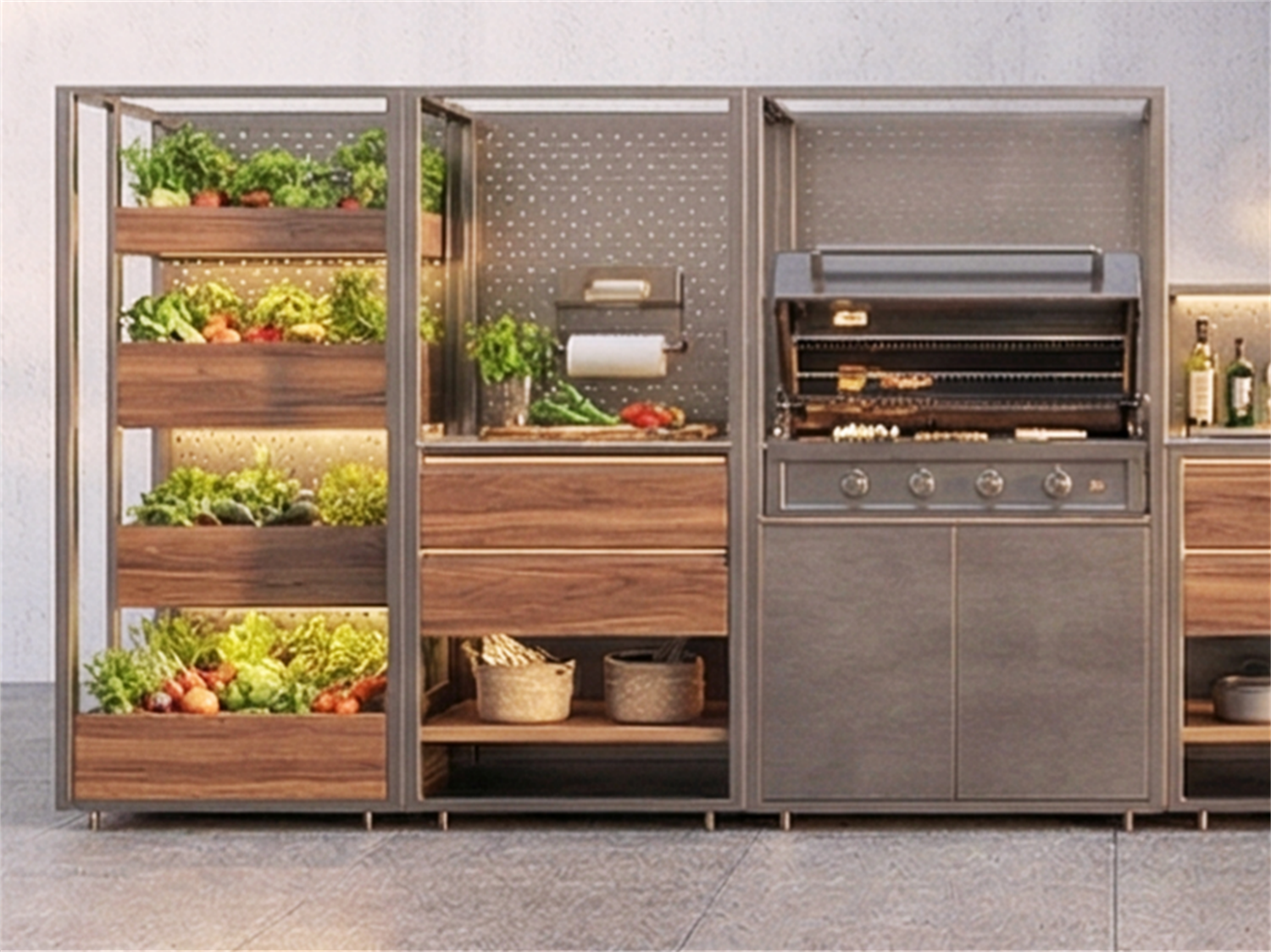
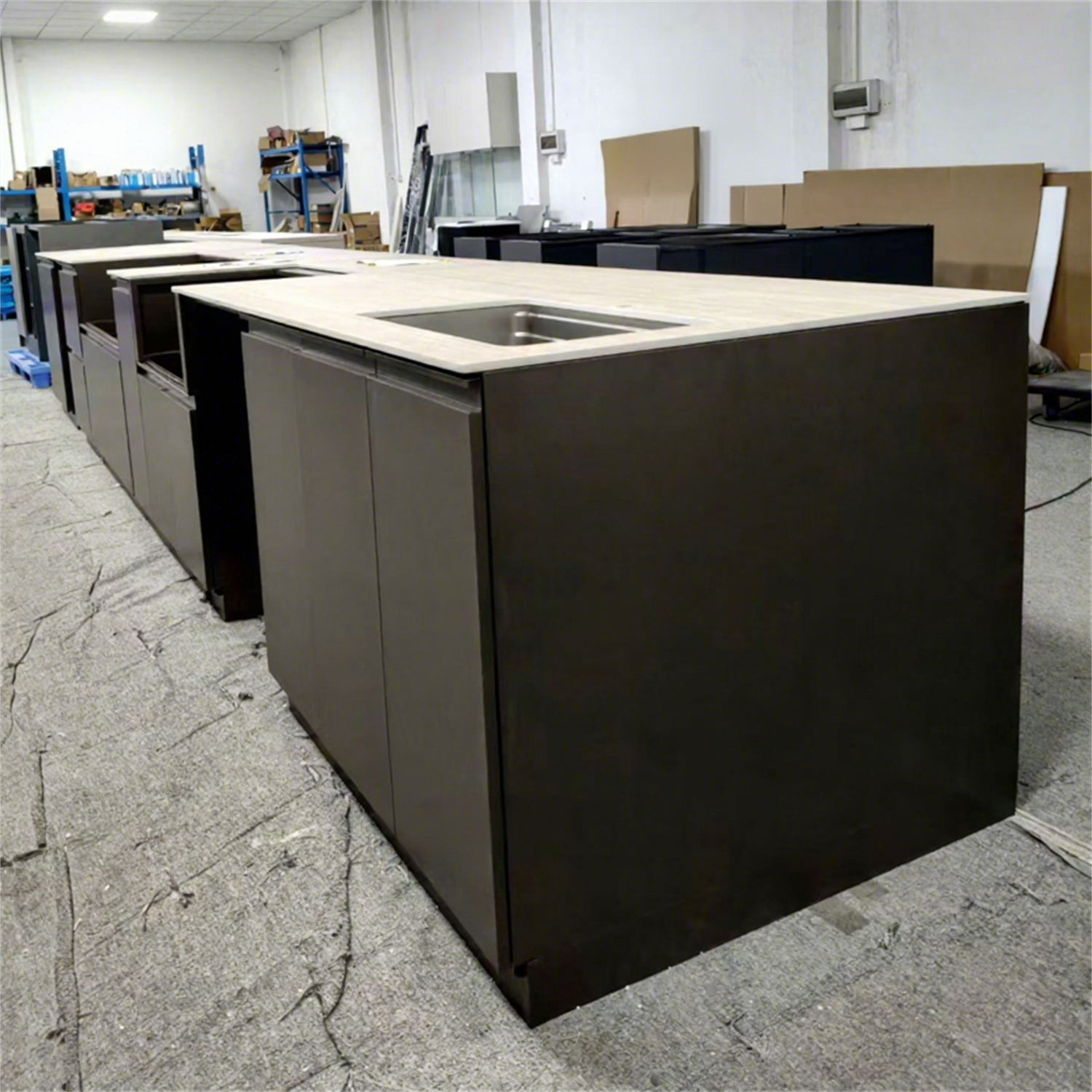
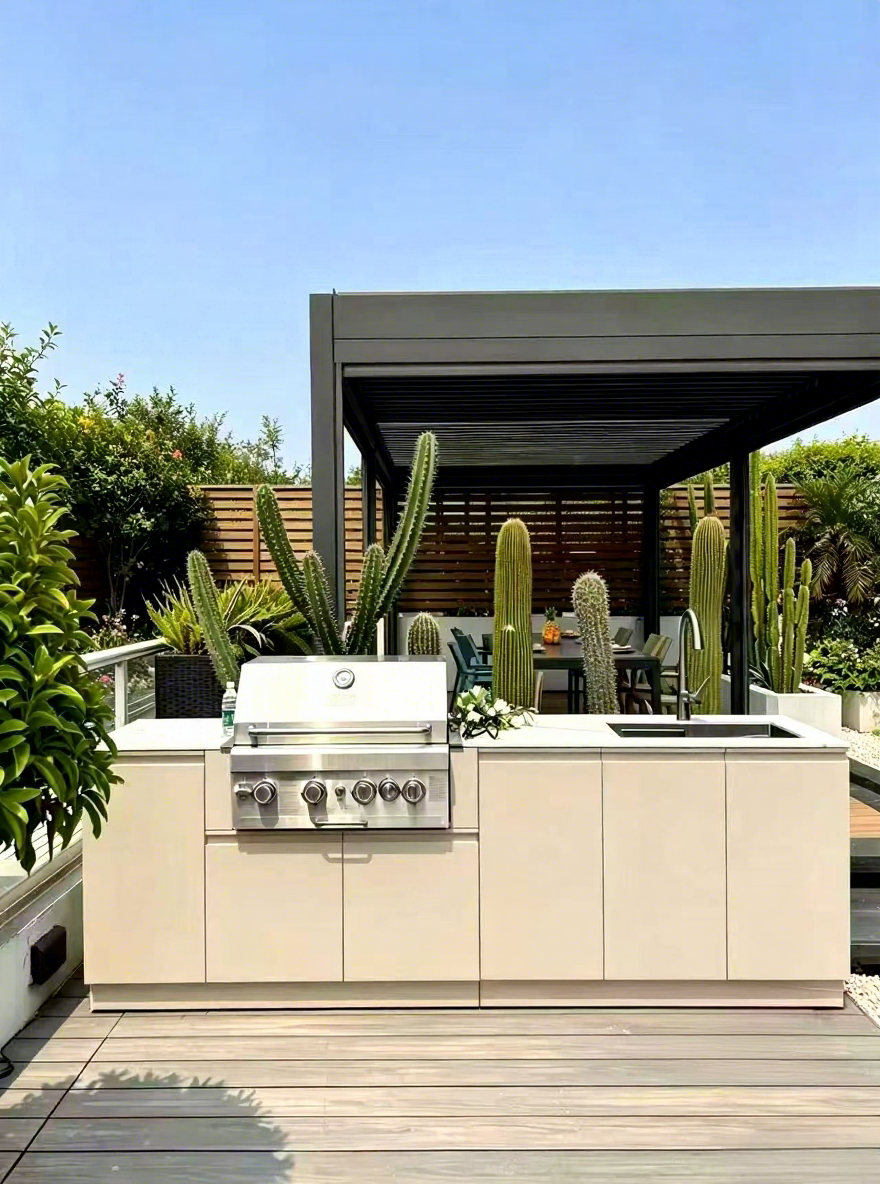
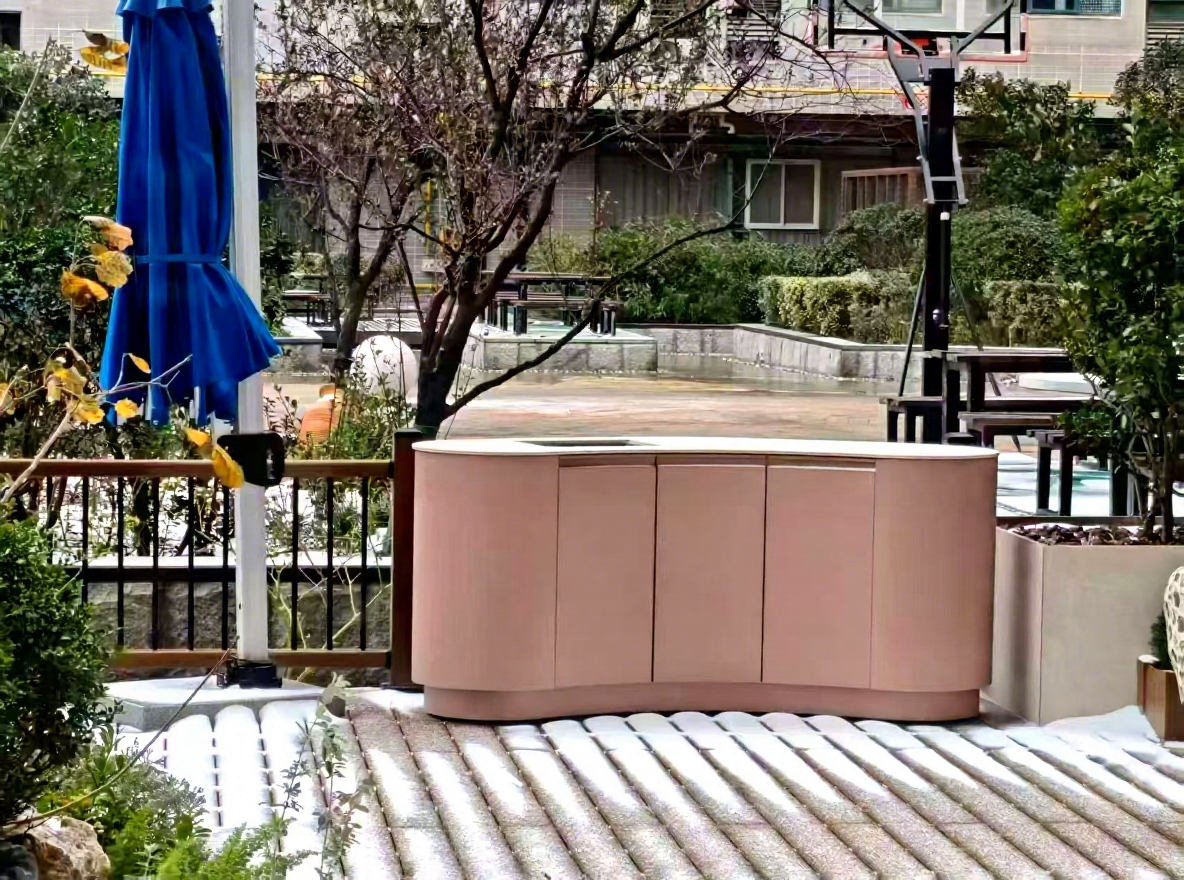
Designing an effective outdoor kitchen layout is crucial for maximizing functionality and enhancing outdoor living spaces. For B2B buyers, particularly purchasing managers and project planners in the residential and commercial sectors, understanding how to create an optimal outdoor kitchen cabinets layout is essential. This article will explore significant factors to consider when planning an outdoor kitchen designs, ensuring that your project meets both aesthetic and practical needs.  

Key Specifications for Durable and Efficient Outdoor Kitchen Designs

Key Specifications for Durable and Efficient Outdoor Kitchen Designs

Durability and efficiency are paramount in outdoor kitchen designs, as these structures face exposure to the elements and heavy use. Key specifications to consider include material selection, structural integrity, and appliance performance. 

Materials: Opt for weather-resistant materials that can withstand moisture, heat, and UV exposure. Stainless steel from Xiaozhu is an excellent choice for appliances due to its corrosion resistance, while stone or concrete countertops provide durability and a sleek appearance.  

Structural Integrity: Ensure that the outdoor kitchen layout can support the weight of the appliances and countertops. Proper foundation and framing are essential to prevent shifting or damage over time. Consider using treated wood or composite materials for cabinetry, which offer enhanced resistance to rot and pests. 

Appliance Performance: Choose high-quality appliances designed for outdoor use. Evaluate their energy efficiency and performance ratings to ensure they can handle the demands of outdoor cooking. 

By focusing on these specifications, buyers can create stainless outdoor kitchen cabinets that are not only visually appealing but also built to last. 

Sourcing High-Quality Outdoor Kitchen Products

Sourcing High-Quality Outdoor Kitchen Products

Sourcing high-quality products is critical for any outdoor kitchen project. Buyers should look for suppliers with proven track records in the outdoor kitchen segment. Evaluate their product range, focusing on durability, aesthetic options, and compatibility with various outdoor kitchen layouts. 

When requesting quotes, provide detailed specifications including dimensions, material preferences, and any required certifications. This ensures that suppliers can offer products that meet your precise needs. Additionally, consider the Minimum Order Quantities (MOQs) and lead times, as these factors can impact project schedules. 

It’s advisable to request samples or prototypes to assess quality firsthand before committing to larger orders. This step can prevent potential issues during installation and usage, ensuring that the final product aligns with expectations. 

Common Problems in Outdoor Kitchen Layouts and Their Effective Solutions

Common Problems in Outdoor Kitchen Layouts and Their Effective Solutions

Several common issues can arise in outdoor kitchen layouts, and being aware of these can help buyers design more effective spaces. 

Inefficient Layout: A poorly designed of outdoor kitchen layout can lead to frustrating workflows. To avoid this, use the kitchen work triangle concept from Xiaozhu as a guide for placing major appliances. 

Insufficient Storage: Outdoor kitchen designs often lack adequate storage, leading to clutter and inefficiency. Implement storage solutions such as cabinets, drawers, and shelving that are designed to withstand outdoor conditions. 

Inadequate Ventilation: Proper ventilation is crucial, especially when using grills and cooktops. Ensure that the design includes adequate exhaust options or positioning away from prevailing winds. 

Material Degradation: Many outdoor kitchen products materials may deteriorate over time due to weather exposure. Selecting high-quality, UV-resistant materials can mitigate this risk. Consider consulting with manufacturers about the longevity and maintenance requirements of different materials. 

By addressing these common issues during the planning phase, buyers can enhance the performance and longevity of their outdoor kitchen designs.  

How to Compare Outdoor Kitchen Designs for Your Next Project Purchase?

When evaluating different outdoor kitchen designs, buyers should establish a systematic approach to comparison. Here are several factors to consider: 

Functionality: Assess how each design meets the specific needs of the intended users. Consider the types of cooking and entertaining that will take place and how each outdoor kitchen layout facilitates these activities. 

Aesthetic Appeal: Evaluate how well the design integrates with the overall landscape and architectural style of the surrounding area. A cohesive look can enhance the value of the property. 

Customization Options: Look for designs that offer customization. This might include variations in materials, colors, and configurations to better suit unique project requirements. 

Cost Analysis: Compare the total costs, including materials, installation, and maintenance. A lower initial cost may not always equate to better value if the materials require frequent replacement or have high maintenance needs. 

Supplier Reputation: Research the credibility of suppliers and manufacturers like Xiaozhu. Reviews, case studies, and client testimonials can provide insights into product quality and customer service. 

By taking a structured approach to comparing outdoor kitchen designs, buyers can make informed decisions that align with their project goals. 

By addressing these considerations and incorporating practical insights, this guide aims to empower B2B buyers to create effective and beautiful outdoor kitchen layouts that resonate with their project goals and enhance outdoor living experiences. 

What to Consider When Choosing an Outdoor Kitchen Layout for Projects

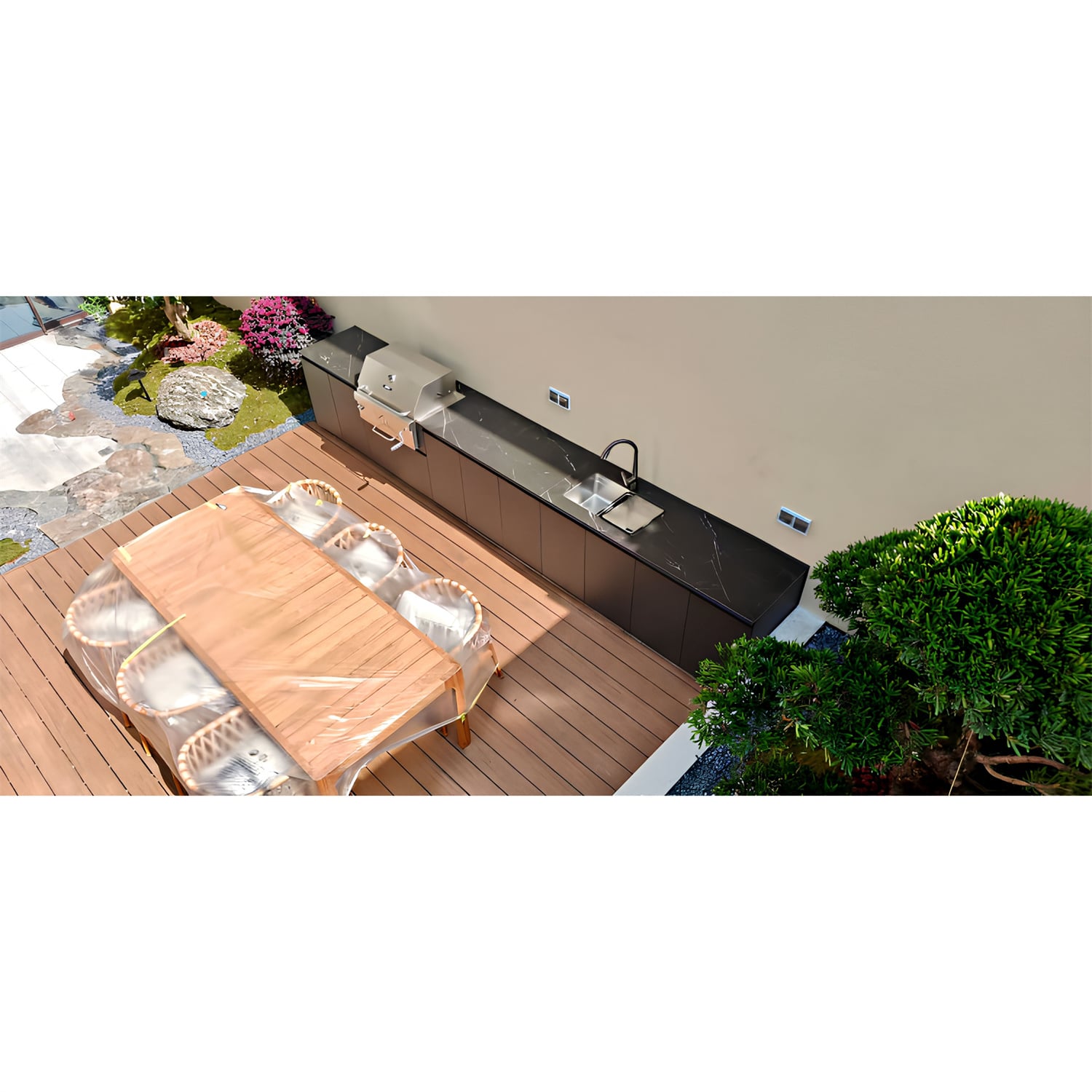
When selecting an outdoor kitchen layout, several key factors must be considered to ensure that the design is functional and meets the needs of the end-users. First, assess the available space. The size and shape of the area will dictate the outdoor kitchen layout options, influencing how appliances, countertops, and seating can be arranged. 

Next, consider the workflow. A well-planned outdoor kitchen layout should facilitate a smooth cooking process. The “kitchen work triangle” concept is applicable here, where the stove, sink, and refrigerator should be placed in a triangular configuration to minimize movement and enhance efficiency. Additionally, it’s vital to incorporate sufficient counter space for food prep and serving. 

Lastly, think about the intended usage. Will the outdoor kitchen units be primarily for family gatherings, entertaining guests, or both? This will influence the choice of appliances and the outdoor kitchen layout. For commercial projects, consider the target demographic and how the outdoor kitchen designs will integrate with the overall landscape design. 

Frequently Asked Questions

What outdoor kitchen layouts do you offer?

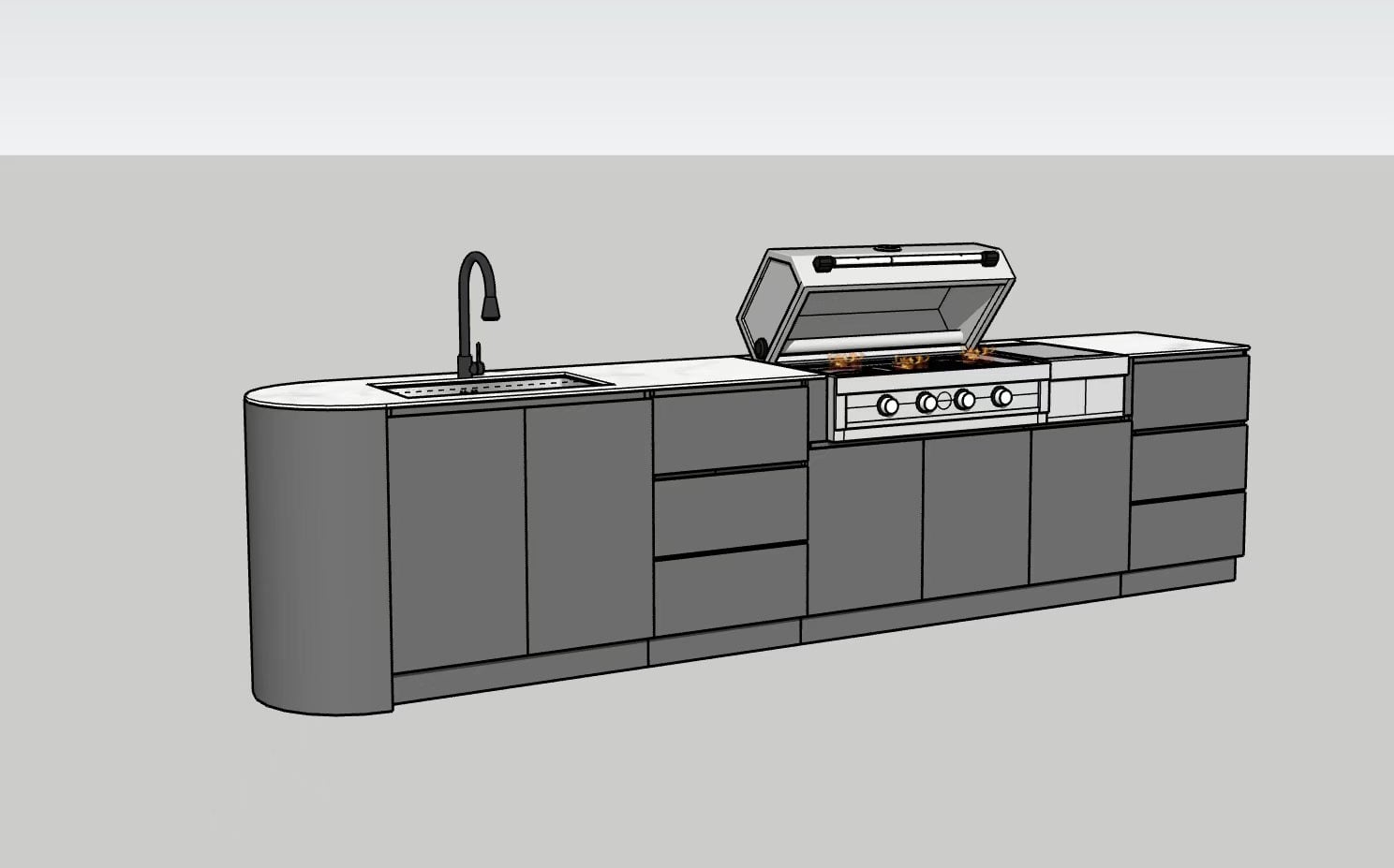
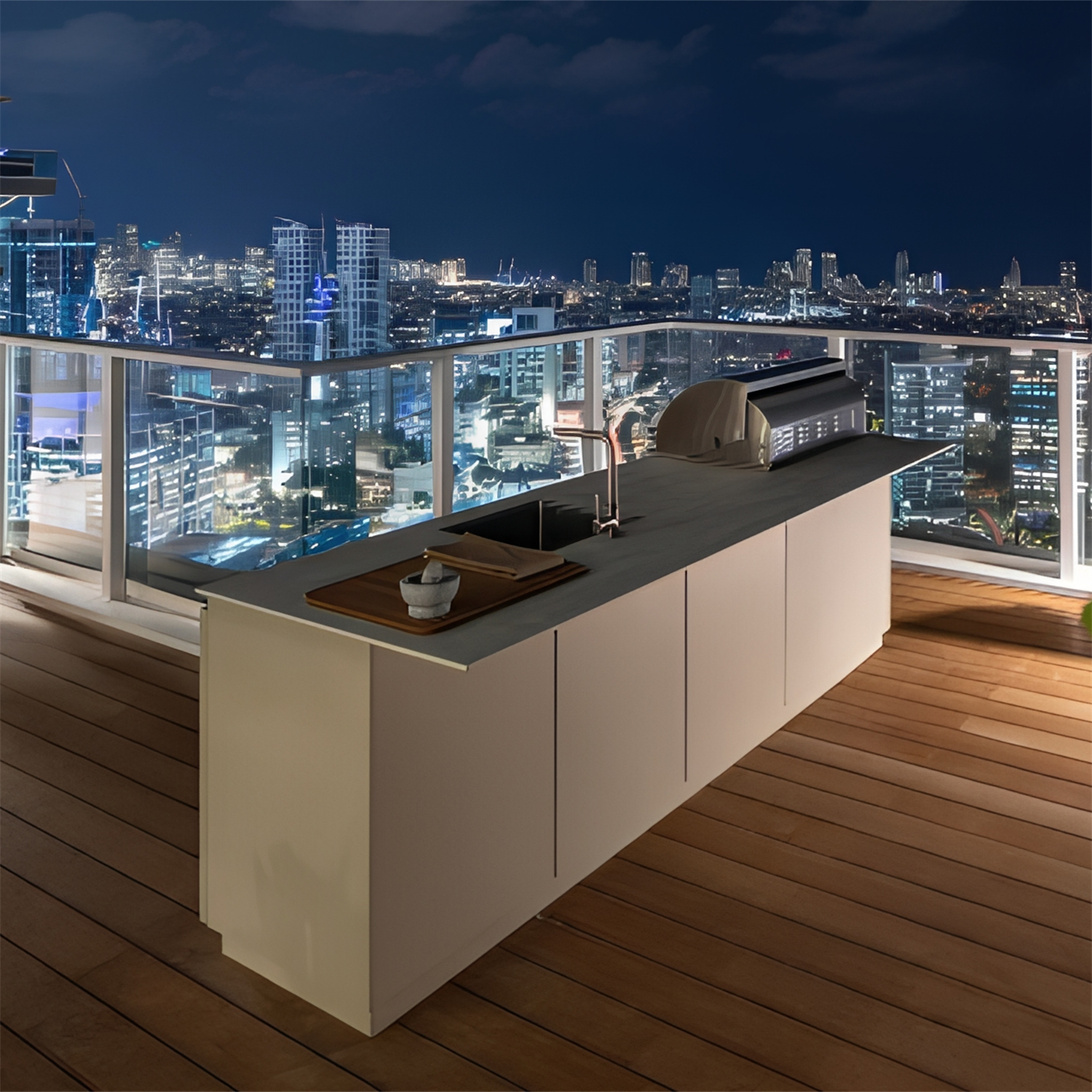
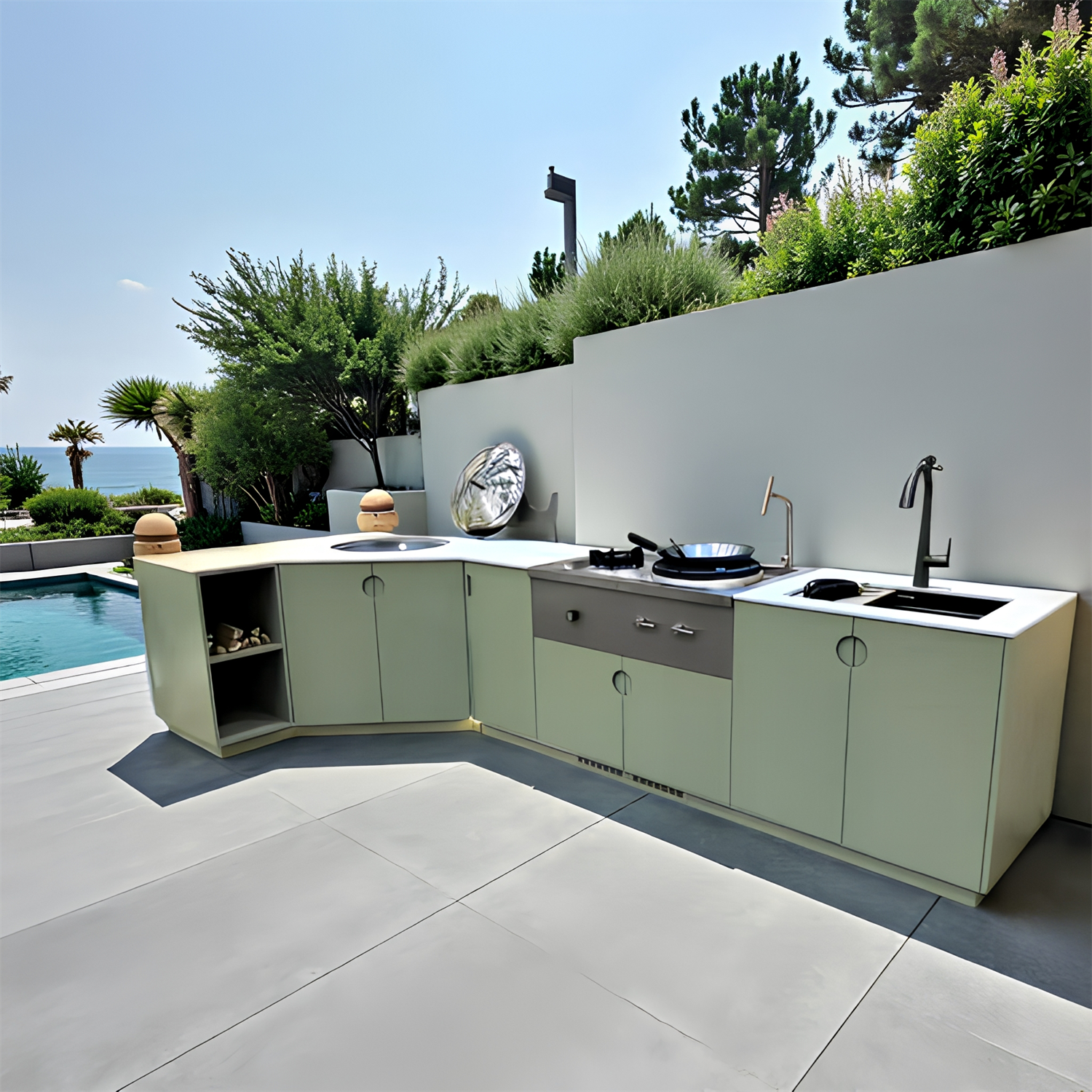
We design custom layouts including L-shaped, U-shaped, island, linear, and compact corner kitchens tailored to space, function, and style for residential and commercial projects.
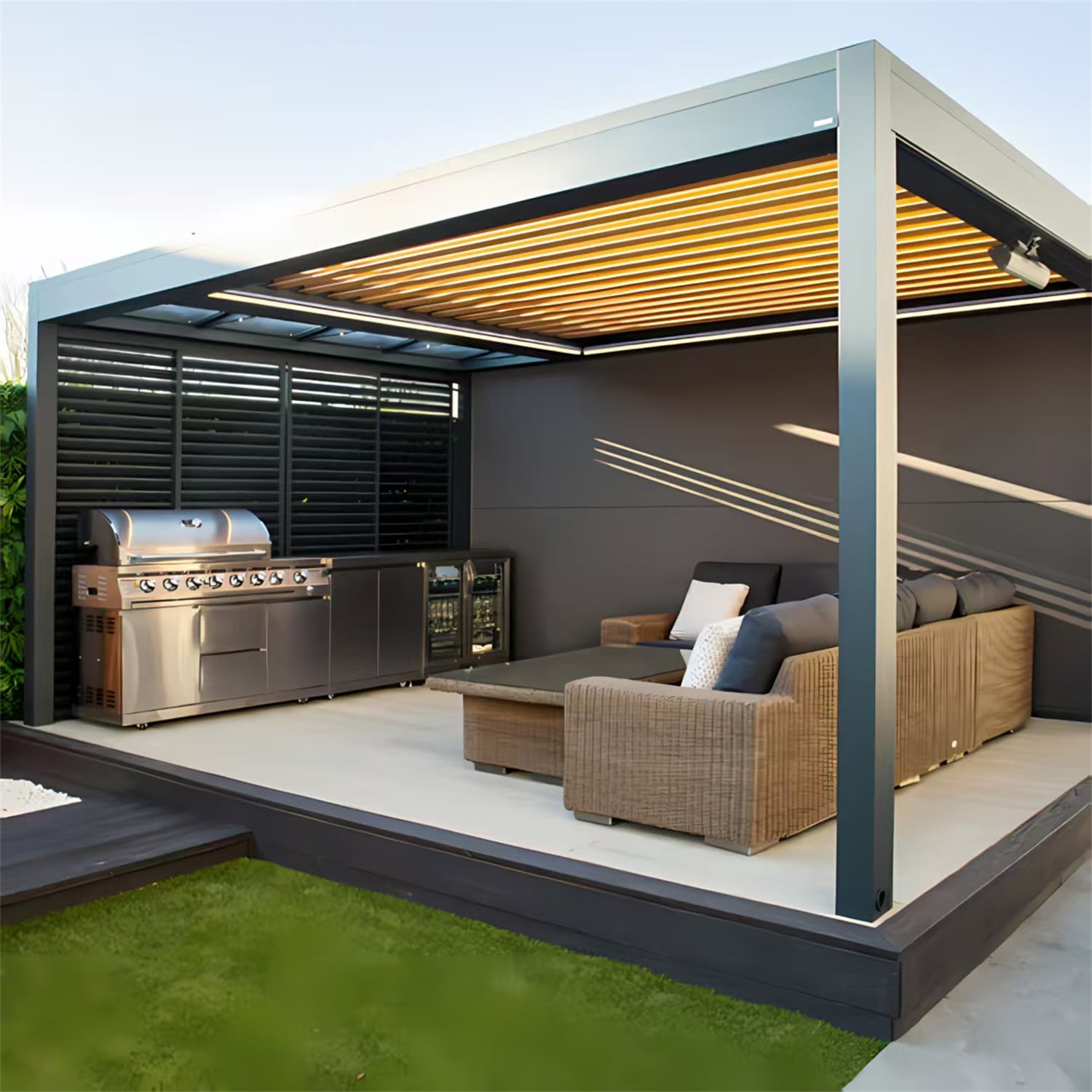
Yes. We integrate pergolas, WPC decking, and thermowood accents to create cohesive outdoor living spaces that enhance shade, durability, and aesthetics.
Yes. With 16 years’ experience, we offer end-to-end services: design, material supply, fabrication, installation, and aftercare for seamless delivery.
Typical installations take 2–6 weeks depending on size, complexity, and site conditions. We provide a detailed schedule after site assessment.
We use stainless steel, WPC, thermowood, and weather-resistant stone. Materials come with manufacturer warranties; we also offer workmanship guarantees for installation.

Get a Free Quote

Our representative will contact you soon.
0/1000