Choosing the Right L-Shaped Outdoor Kitchen

application/l-shaped-outdoor-kitchen, application/l-shaped-outdoor-kitchen, 
Inquiry
Inquiry

l shaped outdoor kitchen

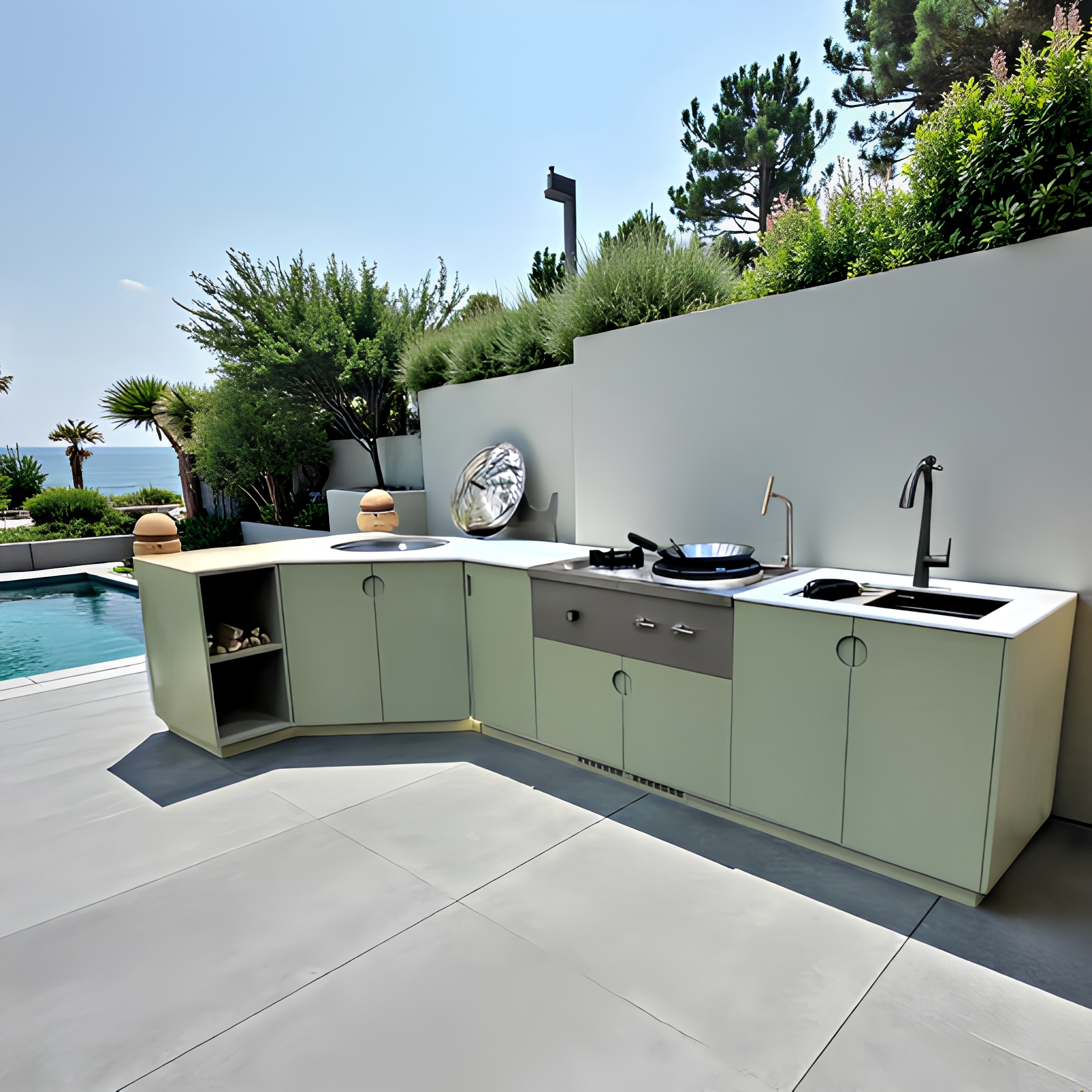
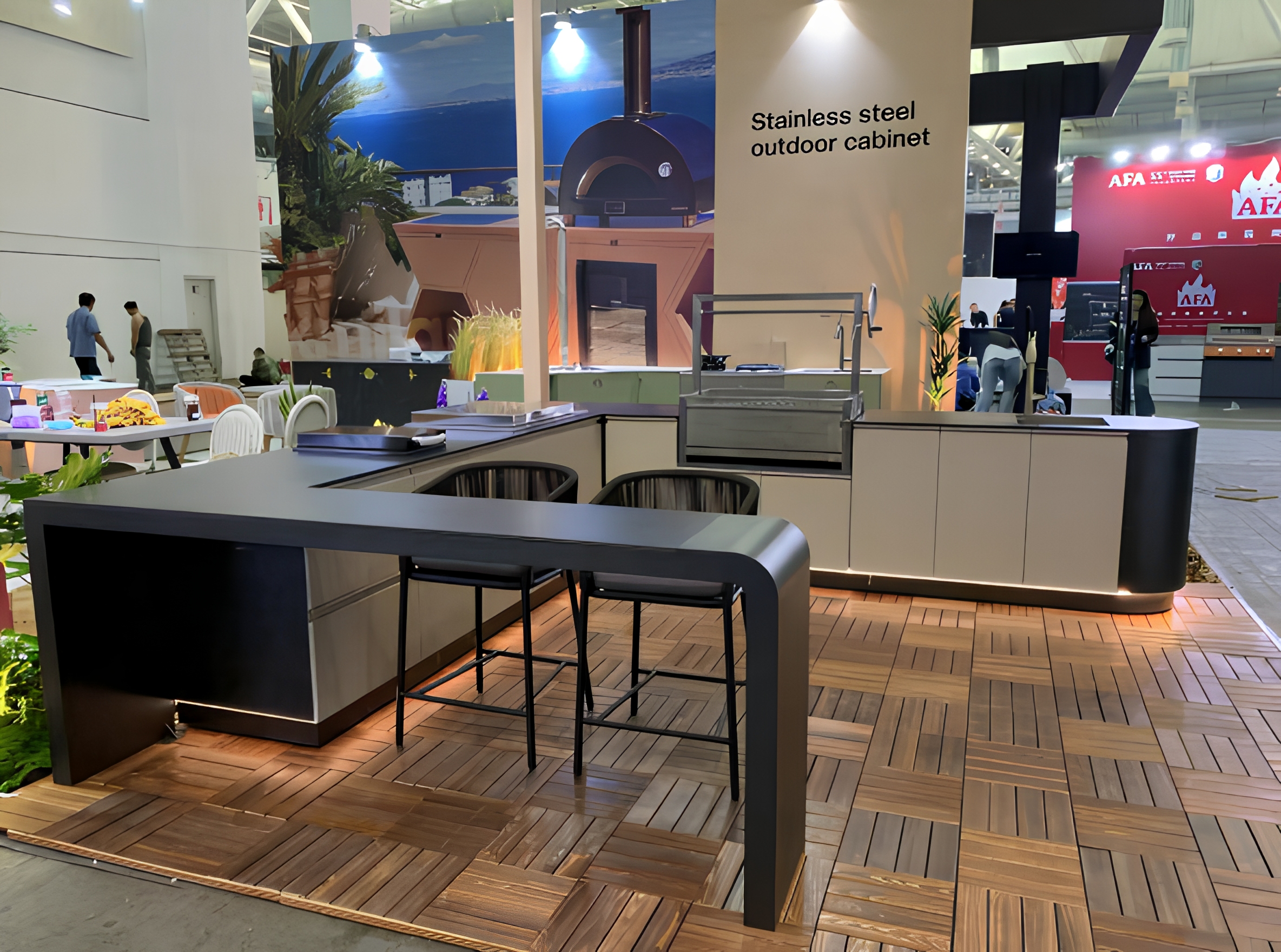
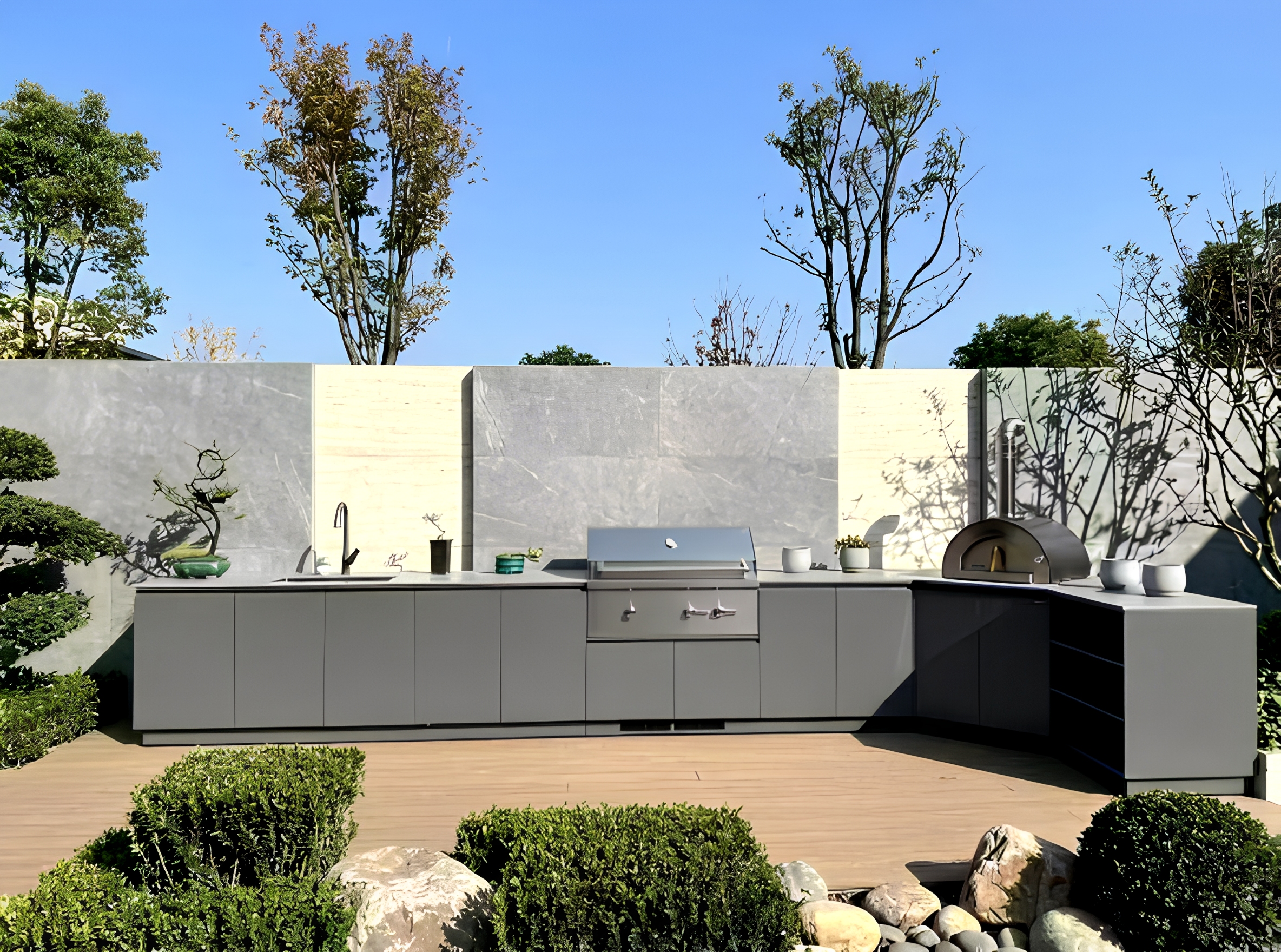
An L-shaped  outdoor kitchen  is  a versatile and  functional addition  to any residential  or commercial outdoor living  space. Not only does it provide an  efficient layout for cooking and  entertaining, but it  also  enhances the aesthetic  appeal of the environment. B2B buyers, including  purchasing managers and project developers, often seek such outdoor  solutions with specific concerns regarding design suitability, material selection, and overall costs.  This article  will guide you  through essential considerations when choosing an L-shaped outdoor  kitchen, addressing cost factors, common problems and solutions,  material advantages, and design  comparisons for bulk orders.

Understanding the Cost Factors of L-Shaped Outdoor Kitchens

Understanding the Cost Factors of L-Shaped Outdoor Kitchens

The cost of an L-shaped outdoor kitchen can vary widely based on several factors. Key considerations include:

Materials: The choice of materials—whether  stainless steel, stone, or WPC—will influence both aesthetics  and durability. High-quality materials generally come at a premium but offer better longevity and  performance.

Size and Complexity: Larger kitchens with more intricate designs will naturally incur higher costs. This includes additional countertops, cabinets, and  appliances.

Customization: Tailored designs that cater to specific needs will often  result in increased costs due to the additional  labor and materials  required.


Installation: Professional  installation  can add to the overall cost. Ensure to factor in labor charges and  any necessary  site preparation work.

Appliances  and Fixtures: The selection of  appliances, such as grills, refrigerators, and sinks, can also significantly impact the budget. High-end appliances generally  come with higher price  tags  but can enhance the kitchen's functionality. Consider adding features like  Outdoor Kitchens to further improve usability.

Understanding  these factors can  help buyers prepare more  accurate budget estimates and make informed decisions.

Common Problems with L-Shaped Outdoor Kitchens and Solutions

Common Problems with L-Shaped Outdoor Kitchens and Solutions

While  L-shaped outdoor  kitchens offer many benefits, they can also present certain challenges. Here are some common issues and practical solutions:

Space  Constraints: In  smaller outdoor areas, an L-shaped kitchen may  feel cramped. To mitigate this, consider compact designs that maximize vertical space for storage without  encroaching on  walking  areas.

Heat Exposure: Prolonged exposure to  the elements can damage outdoor kitchens. Using weather-resistant materials and  protective covers can prolong their lifespan and  maintain their appearance.

Plumbing and Electrical Issues:  Improper installations can lead to plumbing  leaks or electrical hazards. It’s crucial to engage certified professionals for installation to ensure  compliance  with local regulations and safety  standards.

Maintenance: Regular maintenance is essential to prevent wear and tear. An easy-to-clean surface and accessible  appliance placement can simplify upkeep.

By  anticipating these problems, buyers can choose  designs that are more  resilient and easier to maintain.

Material Advantages of L-Shaped Outdoor Kitchens You Should Know

Material Advantages of L-Shaped Outdoor Kitchens You Should Know

The choice  of materials for an L-shaped outdoor kitchen significantly impacts its durability, aesthetic appeal, and maintenance  requirements.  Here are some popular materials and their advantages:

Stainless Steel: Known for its resistance to rust and corrosion, stainless steel is ideal  for outdoor kitchens. Its sleek look complements modern designs, and it requires minimal maintenance.

Natural Stone:  Materials like granite  or slate add a luxurious touch and are  highly durable.  They can withstand harsh weather but may require  sealing to prevent staining.

WPC (Wood Plastic Composite): WPC is a  sustainable material that  combines the benefits of wood and plastic. It is resistant to moisture, pests,  and  fading, making it suitable for outdoor  environments.

Thermowood: This engineered  wood undergoes a thermal modification process that enhances its  durability and resistance to decay. It offers a natural  wood appearance while being stable  in varying weather  conditions.

Understanding these material properties can help buyers make  informed decisions that align with their project requirements and budget.

Comparing L-Shaped Outdoor Kitchen Designs for Bulk Orders

For businesses looking to place bulk orders for L-shaped outdoor kitchens, comparing different designs can be  crucial. Consider the following aspects:

Design Flexibility: Evaluate whether the supplier offers customizable options to accommodate various project needs. This could include adjustments in size, layout,  and material choices.

Production Capacity: Ensure the manufacturer can meet your quantity requirements within your desired timeline. Assess their production capabilities and lead times for bulk orders.

Quality Assurance: Investigate the supplier’s quality control  processes. Reliable manufacturers often have strict quality checks in place to ensure consistency across all units.

Cost Efficiency: Bulk orders may come with discounts, but it’s essential to assess the total cost, including  shipping and installation. Be aware of any  additional fees that may  apply.


After-Sales  Support: Consider  the level of support offered post-purchase, including  warranties and maintenance services.  A  strong after-sales service  can enhance the overall value of your investment.

By focusing on these factors,  buyers  can select the right supplier and design for  their specific needs, ensuring a successful project outcome. 

Investing  in an L-shaped  outdoor kitchen can significantly enhance outdoor spaces for both residential and commercial applications. By understanding the key considerations outlined, buyers can make informed decisions  that align with their unique project requirements.

Choosing the Right L-Shaped Outdoor Kitchen for Your Projec

Selecting the ideal  L-shaped outdoor  kitchen involves understanding  both the functional and  aesthetic needs of your project. Start by assessing the available space and the intended use. For instance, if the kitchen will be  used for large gatherings, prioritize designs with ample counter space and multiple cooking  appliances.

Consider the  layout in  relation to other outdoor  features, such as  seating and  dining areas, to optimize  the  flow of movement. The kitchen's design  should not only blend with the existing architecture but also enhance the outdoor experience. For commercial applications, ensure that the design meets any regulatory requirements, particularly  for safety and accessibility.

Customization can significantly  influence  the functionality of your L-shaped outdoor kitchen. Discuss  specific requirements with your supplier, including preferred materials, appliance types, and additional features  like built-in grills, sinks,  or storage spaces. For example, incorporating stylish WPC Wall Panels can enhance both the aesthetics and durability of the kitchen.

Frequently Asked Questions

What is an L shaped outdoor kitchen?

An L shaped outdoor kitchen arranges appliances and counters in an L layout to maximize corner space, improve workflow, and provide separate cooking and prep zones for efficient outdoor entertaining.
We use durable materials including WPC decking, thermowood finishes, stainless steel appliances, and weather-resistant cabinetry tailored for outdoor use and longevity.
Yes. With 16 years' experience we custom-design dimensions, storage, sink and grill placement to fit your space, style, and functional needs for residential or commercial projects.
Our systems use outdoor-grade components and treatments—WPC and thermowood are moisture and UV resistant, and stainless fixtures ensure corrosion resistance when properly maintained.
After site assessment and design approval, fabrication and on-site installation typically take 2–6 weeks depending on complexity. We coordinate permits, delivery, and final inspection as needed.

Get a Free Quote

Our representative will contact you soon.
0/1000