Choosing the Right Outdoor Kitchen Setup

application/outdoor-kitchen-setups, application/outdoor-kitchen-setups, 
Inquiry
Inquiry

outdoor kitchen setups

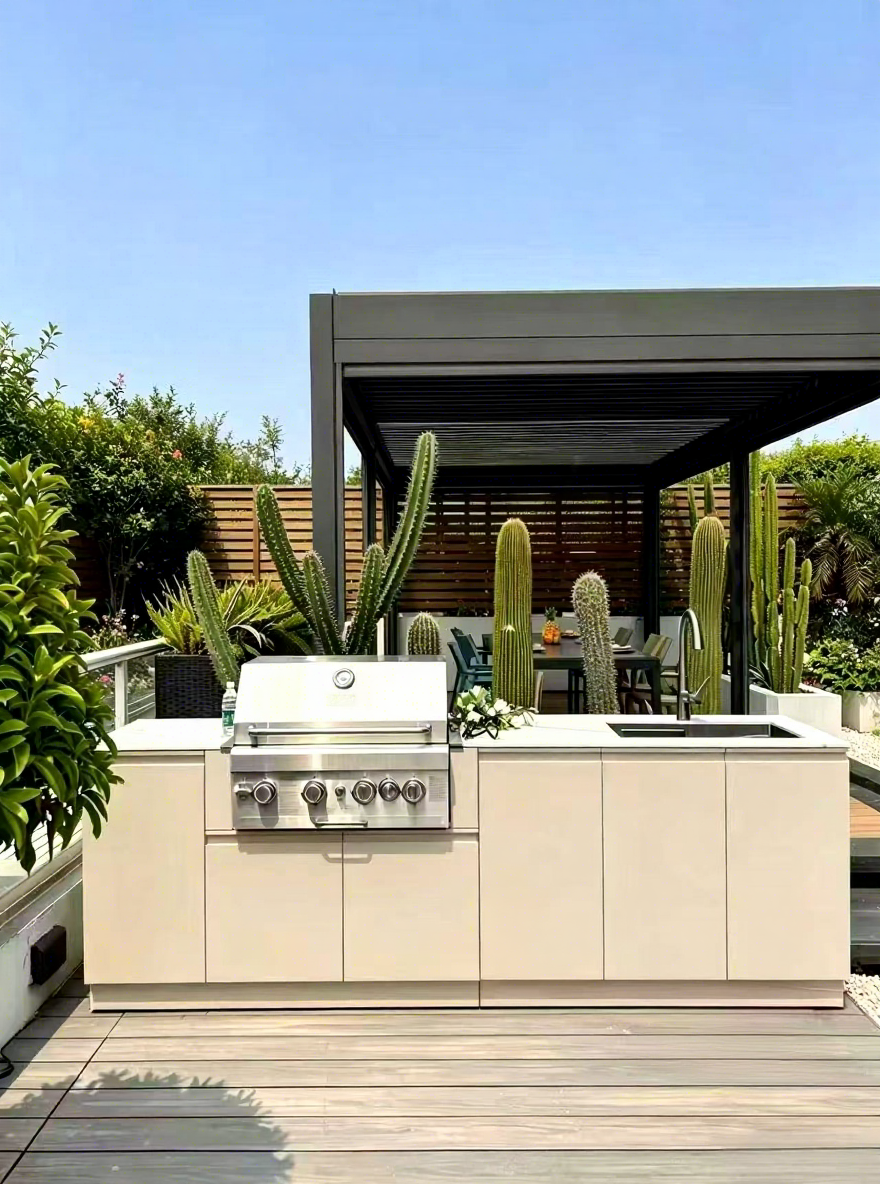
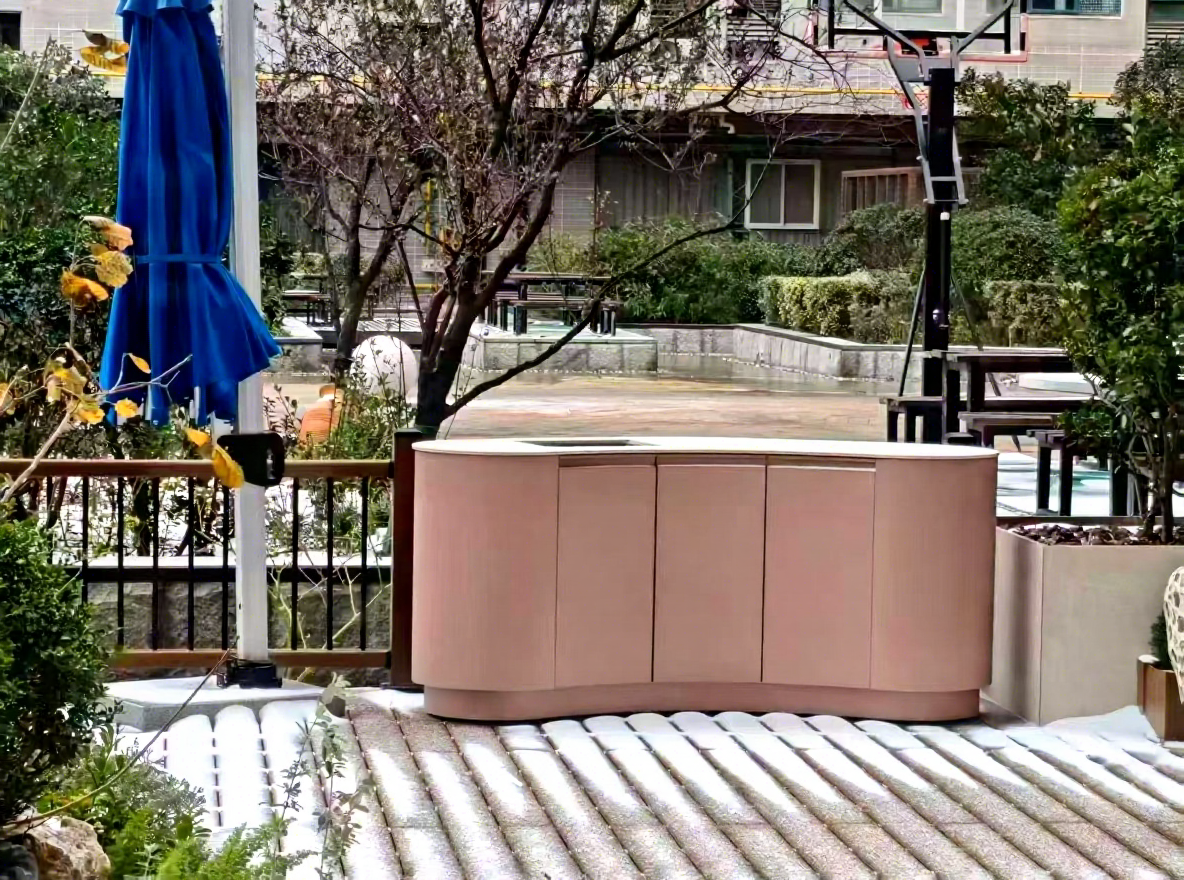
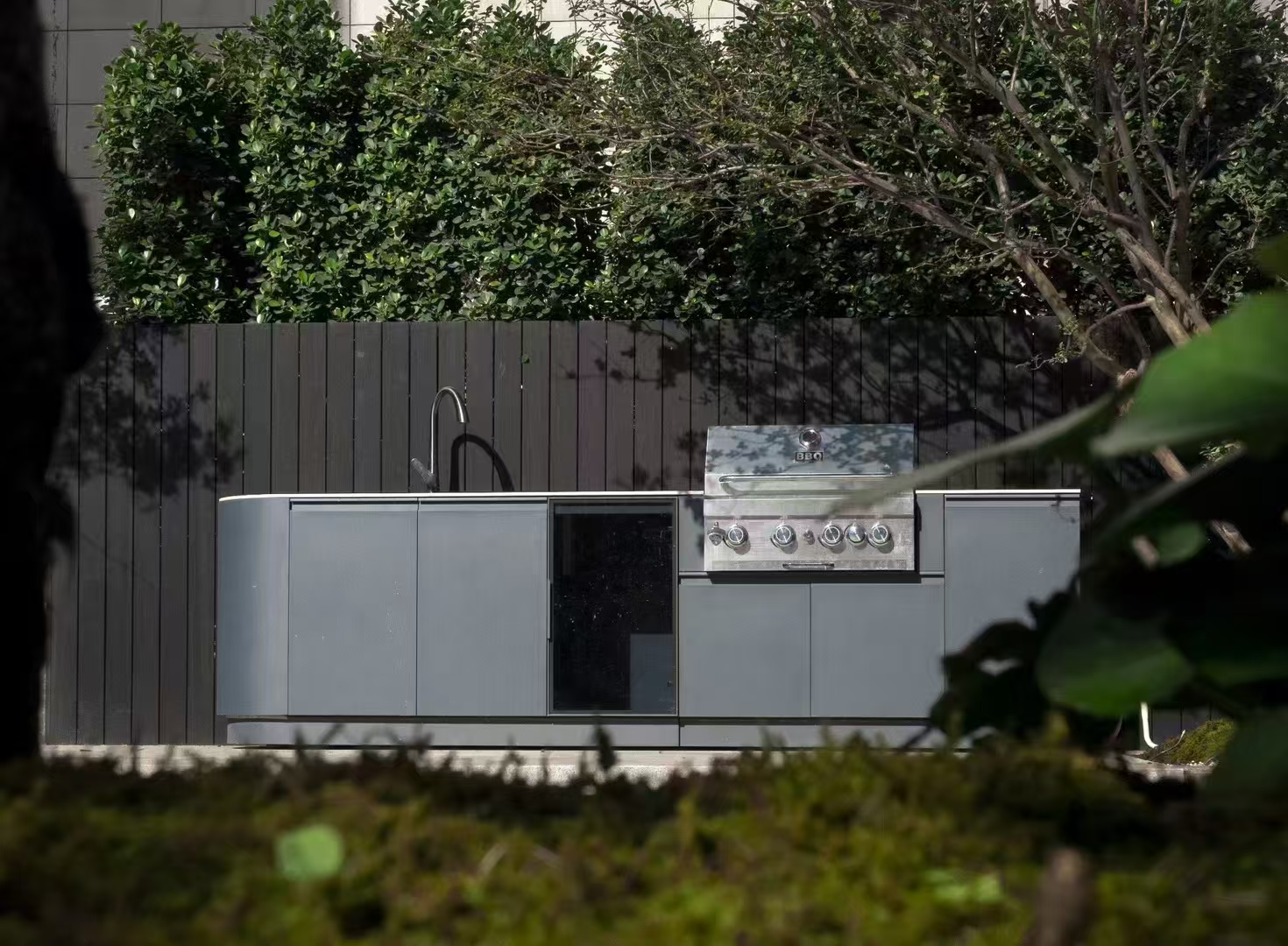
Outdoor kitchen setups  offer  a unique opportunity to enhance outdoor living spaces, catering to both residential  and commercial projects. These  setups can transform patios, backyards, and  public spaces into functional  cooking and  dining areas.  Buyers, including  purchasing managers and project developers,  often seek to  understand various  aspects such  as material choices,  design  flexibility, and the overall feasibility of integration into  existing structures. This article will provide practical insights into  selecting the right outdoor  kitchen setups, evaluating material advantages, and addressing common challenges that arise during the  planning and installation  phases.

Wholesale Options for Bulk Outdoor Kitchen Installations

Wholesale Options for Bulk Outdoor Kitchen Installations

When  planning for bulk outdoor kitchen installations, particularly for commercial projects  or multi-unit  residential developments,  exploring wholesale options can provide significant cost savings. Many manufacturers, such as Shenzhen Xiaozhu Garden Landscape Engineering Co.,  Ltd., offer  bulk pricing and customized  solutions tailored to large-scale orders. You might also consider materials such as Thermowood Decking for their durability and aesthetic appeal.

It's essential to communicate your estimated  quantities and  specific design requirements upfront.  Discuss  potential lead times, as bulk orders may  require longer production schedules. Additionally, inquire about minimum  order quantities (MOQs)  and available packaging methods to  streamline logistics.

Another pivotal aspect is to ensure that the chosen supplier can accommodate customization at scale. This includes variations in  design and material options while maintaining consistent quality across all units. A thorough  quality control process  is  vital to prevent discrepancies  that could arise during mass production.

Evaluating Material Advantages in Outdoor Kitchen Designs

Evaluating Material Advantages in Outdoor Kitchen Designs

Materials play a fundamental role in the performance and longevity of outdoor kitchen setups. The choice  of materials should  align with  both aesthetic preferences and  functional requirements.  Common materials include stainless steel, stone, and composite options like  WPC (Wood Plastic  Composite) and thermowood, each offering unique  advantages.

Stainless steel  is favored for  its durability and  resistance  to rust and corrosion,  making it suitable for various  climates. Stone provides a timeless aesthetic and excellent heat retention, but its weight may require additional structural support. WPC and thermowood present eco-friendly options that combine the appearance of wood with enhanced resistance to moisture  and insects, making them ideal for outdoor applications.

Buyers should consider factors such as maintenance requirements,  expected lifespan,  and thermal performance  when evaluating materials. It’s advisable to request samples or mock-ups to assess how materials will perform in your specific environmental conditions  before finalizing decisions.

 
Common Problems in Outdoor Kitchen Projects and Their Solutions

Common Problems in Outdoor Kitchen Projects and Their Solutions

Outdoor kitchen projects  can encounter several challenges,  from  design discrepancies to  installation issues. One common problem is improper ventilation, which can lead  to safety  hazards and  discomfort. Ensure that your design incorporates adequate ventilation solutions, such as  hoods or exhaust  fans, especially if using gas appliances.

Another frequent issue is the selection of unsuitable materials  for specific climates, resulting in  premature wear and tear. To  mitigate this, conduct  thorough  research on material performance in various weather conditions and consult with your supplier  to ensure compatibility.

Installation challenges may arise if the layout does not align with available utilities or if  structural supports are inadequate. Engage with experienced contractors who understand the intricacies of  outdoor installations to prevent costly adjustments later  on. It’s advisable to verify the final design with a qualified engineer  or architect  to confirm feasibility before proceeding to production.

Comparing Outdoor Kitchen Features for Better Purchasing Decisions

When evaluating outdoor kitchen  setups, comparing features can significantly influence purchasing decisions. Focus on critical specifications such as appliance types, storage solutions,  and  surface treatments. For example, consider the benefits of modular designs that allow for flexibility in  layout and future expansions.

Evaluate the warranty and service  options provided by the manufacturer. A robust warranty can signify the manufacturer's confidence in their product quality and offer peace of mind regarding long-term performance. Additionally, inquire about  available accessories or add-ons,  such as  integrated lighting and storage solutions, that can enhance the functionality of your outdoor kitchen.

It's also beneficial to compare installation and maintenance requirements across different setups.  Some designs may necessitate more  complex installations or frequent upkeep, which can impact overall project costs and  timelines. Seek guidance from your  supplier to understand the  full scope  of each  option before making  a commitment.

In summary, choosing the right outdoor kitchen setups involves careful consideration of  project needs, material  advantages, and potential challenges. By leveraging  wholesale options,  evaluating features, and understanding common problems, buyers can make informed decisions that lead to successful outdoor kitchen installations.

How to Choose the Right Outdoor Kitchen Setup for Your Projec

Selecting the appropriate outdoor kitchen setup begins  with understanding the  specific needs of your project. Considerations include the intended use, available  space, and budget constraints. For residential projects, assess how often the outdoor kitchen will be  used  and the size of gatherings it  should accommodate.  In commercial settings, the design may require more  robust features to handle higher traffic  volume.

Key elements to evaluate include layout options, including L-shaped, U-shaped, or linear designs, which  can impact both functionality and aesthetics. Additionally, consider the types of appliances needed,  such as grills,  sinks, and refrigerators, and their compatibility with the chosen design. Understanding  the  local climate is crucial as well; for instance, selecting  weather-resistant materials can enhance durability and reduce maintenance  needs. Options like WPC Decking can be particularly beneficial in this regard.

Engage with your supplier early  to discuss customization options that suit your project's requirements. This collaboration will help ensure that  the final design aligns  with your vision while  considering practical installation factors and compliance with local regulations.

Frequently Asked Questions

What outdoor kitchen setups do you design?

We design custom outdoor kitchens including modular islands, built-in grills, countertops, storage, sinks and bar areas tailored for residential and commercial projects.
Yes. We supply WPC systems and thermowood as durable, weather-resistant materials for cabinets, decking and pergola elements in outdoor kitchen setups.
Yes. With 16 years’ experience we provide integrated solutions from design and fabrication to on-site installation and finishing for outdoor living projects.
Installation times vary by project size; small kitchens can take days, larger commercial installs weeks. We provide timelines after site assessment and design approval.
We offer custom design services and can assist with technical documentation and coordination for permits, depending on local regulations and client needs.

Get a Free Quote

Our representative will contact you soon.
0/1000