Essential Guide to Exterior Storage Closets

application/exterior-storage-closet, application/exterior-storage-closet, 
Inquiry
Inquiry

exterior storage closet

Exterior storage  closets are essential solutions  for both  residential and commercial outdoor spaces, providing secure and organized storage  for various items. As a  purchasing manager or  product manager,  your key concerns may revolve  around the  quality,  installation process,  cost, design variations,  and potential issues associated with these  products. This article will equip you with the  necessary insights to make  informed  decisions  regarding exterior storage closets, ensuring  you  choose the right  solution for your specific needs.

Installation Guidance for Your Exterior Storage Closet Solutions

Installation Guidance for Your Exterior Storage Closet Solutions

Proper installation is crucial for maximizing the lifespan and functionality  of exterior storage closets. Before installation, consider the following:

Site  Preparation: Ensure the installation area is level and free from  debris. This will help prevent structural issues  and  ensure proper drainage.

Assembly Instructions: Follow the manufacturer’s guidelines  carefully. Each design may have specific assembly requirements, and deviating from  these can compromise  the structure's integrity.

Anchoring: For larger units, it’s essential to anchor  the  closet to the ground or a stable structure. This prevents tipping or movement during adverse weather conditions.

Ventilation: Incorporate ventilation solutions if the closet will store  items sensitive to moisture, such as gardening  tools or chemicals. Proper airflow will help  prevent mold and mildew.

Tools Required: Ensure you have the necessary tools  on  hand, such as  drills, screws, and levels, to facilitate a smooth installation process.

Taking the time to properly install your exterior storage closet can prevent  future issues and ensure that it  meets your storage needs effectively.

Cost Factors to Consider When Purchasing Exterior Storage Closets

Cost Factors to Consider When Purchasing Exterior Storage Closets

When evaluating the cost of exterior storage closets, several factors come into play:

Material  Choice: As mentioned earlier,  the  type of material significantly affects the price. HDPE tends to be more expensive, while  treated wood  may offer a more budget-friendly option.

Size and Capacity: Larger  closets will naturally cost more. Consider your storage needs carefully; opting for  a larger unit than necessary  can lead to unnecessary costs.

Customization Options: Many manufacturers, including Shenzhen  Xiaozhu Garden Landscape Engineering  Co., Ltd., offer customization  capabilities. Tailoring features such as sizes, colors, or additional shelving  can increase costs but result in a unit that  better  fits your  needs.

Shipping and Installation Costs: Don’t overlook the  costs associated with shipping and installation. Depending on your location and the provider, these costs can vary widely.

Warranty and Maintenance: Consider units with warranties as  this can be  an indicator of quality. Additionally, factor in any potential maintenance costs  associated with different materials.

By understanding these cost factors, you can better prepare your budget for purchasing  an exterior storage closet that meets your requirements.

Common Problems with Exterior Storage Closets and Their Solutions

Common Problems with Exterior Storage Closets and Their Solutions

Despite their utility, exterior storage closets  can  encounter issues  over time. Here are some common problems and their solutions:

Rust and Corrosion: Metal components may  suffer from rust,  especially in humid environments. Opt for stainless steel or galvanized hardware during  installation to reduce this risk.

Water  Leakage: Poor sealing can lead to water ingress. Ensure that all seams and  joints are properly sealed during assembly. Adding a weather-resistant coating can also help.

Structural Damage: Overloading the closet  can lead to sagging or breaking. Always adhere to the manufacturer’s weight guidelines and  distribute  weight evenly across shelves.

Pest Infestations: Insects can find  their way into wooden storage units. Regular inspections and treating wood with  insect repellent can mitigate this risk.

Fading Colors: For  units made of synthetic materials, UV exposure may cause fading. Look for  products with UV inhibitors to maintain color integrity over time.

By being aware of these potential issues and their solutions, you can better maintain your exterior storage closet, ensuring it  serves its purpose effectively.

Comparing Different Exterior Storage Closet Designs and Features

When selecting an exterior storage closet, various designs and features can cater  to specific needs. Here are some aspects  to consider:

Design Styles: Options range from traditional wooden  designs to modern synthetic options. The style should complement your existing outdoor aesthetics.

Door Types: Consider whether you prefer sliding doors,  double doors, or hinged doors. Each has its benefits, such as space-saving or ease of access.

Ventilation Features: Some designs offer built-in ventilation which can be crucial for storing items that are sensitive to moisture.

Shelving and Organization: Look for units that provide customizable shelving options.  Adjustable shelves can accommodate different storage needs, while built-in hooks or compartments can  enhance organization.

Security Features: If storing valuable items, consider options with lockable doors or secure latches.

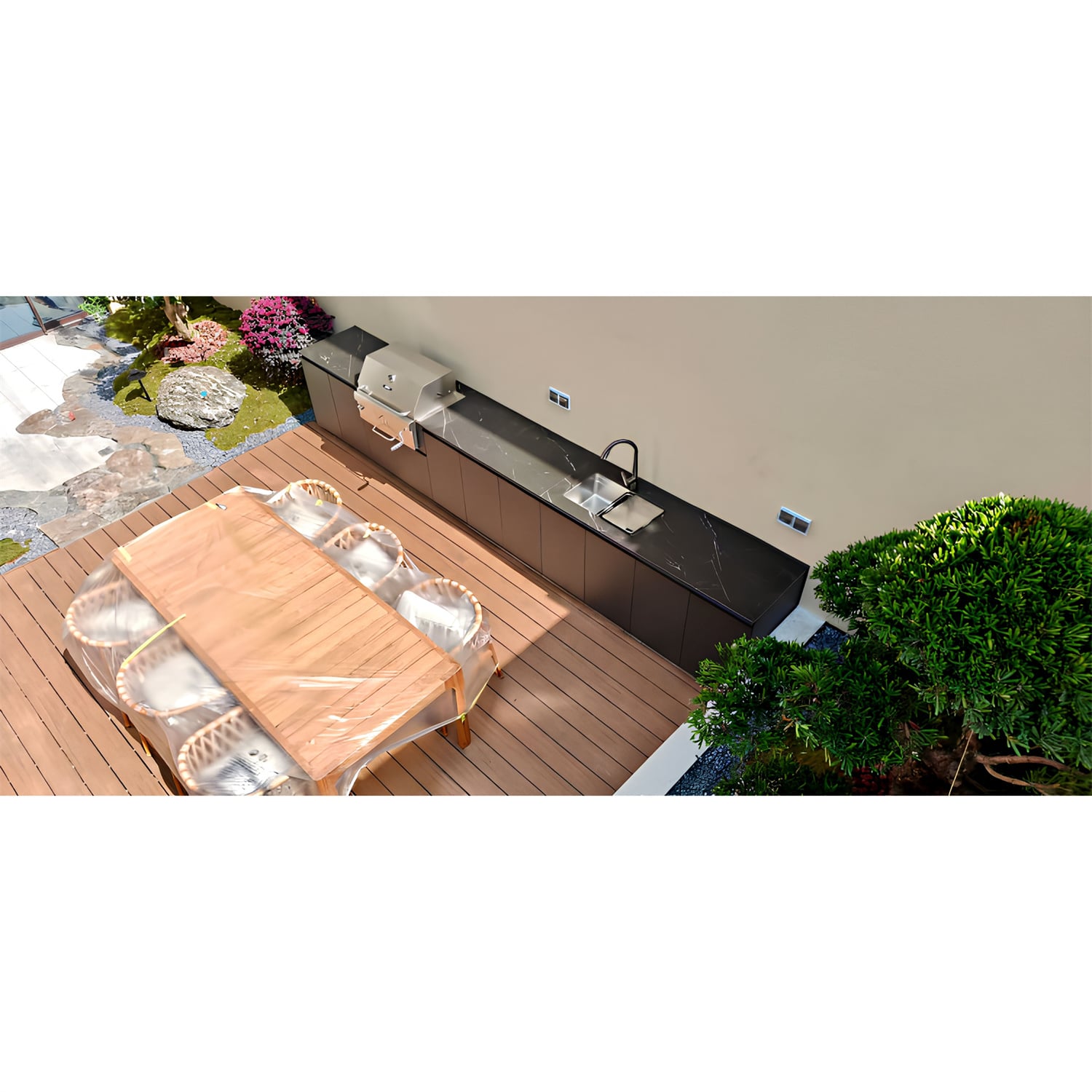
By examining these features, you can  select an exterior storage closet that not only meets your functional requirements but also enhances your outdoor space's overall look and feel. Additionally, integrating elements such as Outdoor Kitchens can further enhance the functionality of your outdoor area.

By carefully evaluating materials, installation processes, costs, potential  problems, and design options, you'll  be well-equipped to make informed decisions when purchasing exterior storage closets. This will  ensure you  select a solution that  is not  only practical  but  also aligns with your long-term  storage needs.

Evaluating Material Quality for Exterior Storage Closets

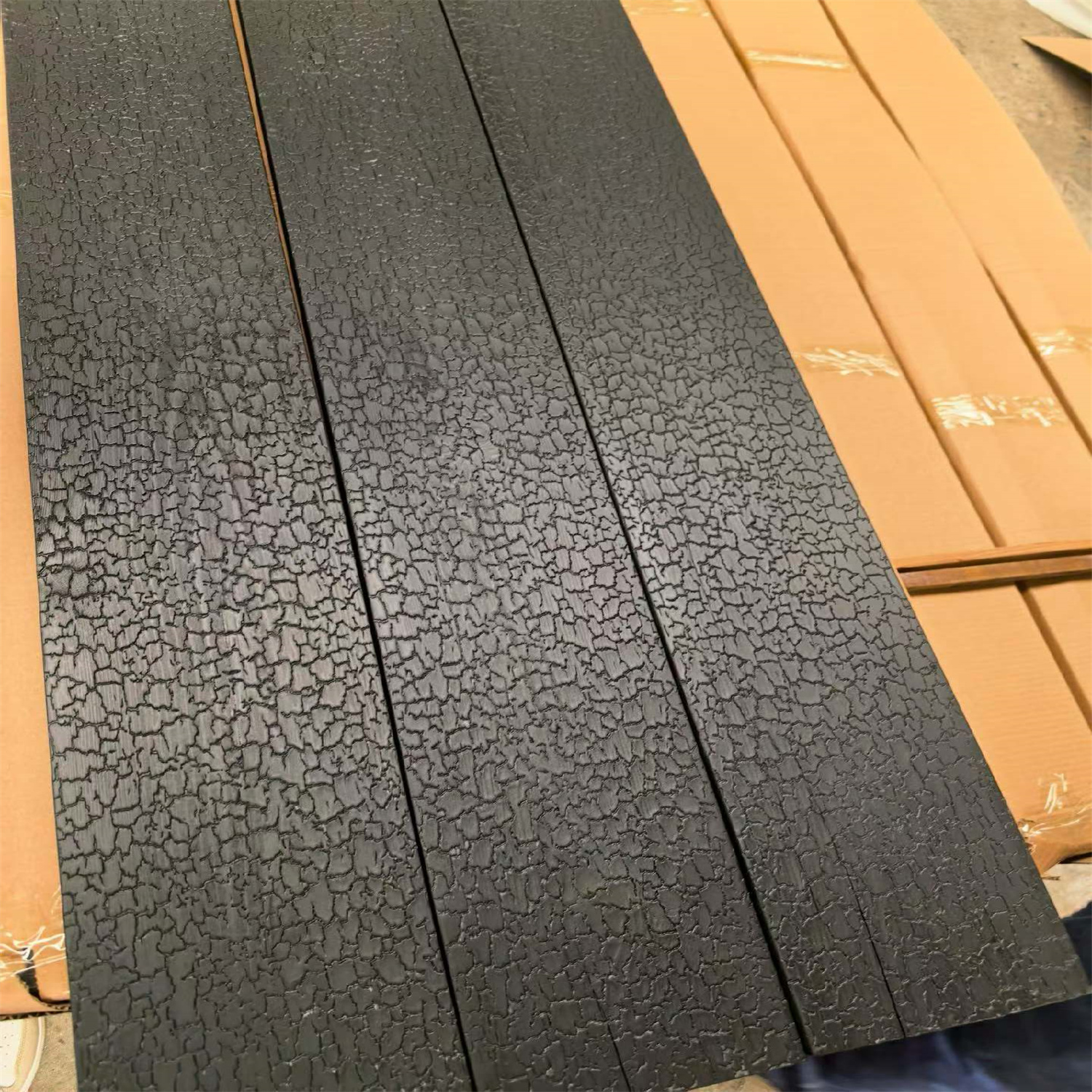
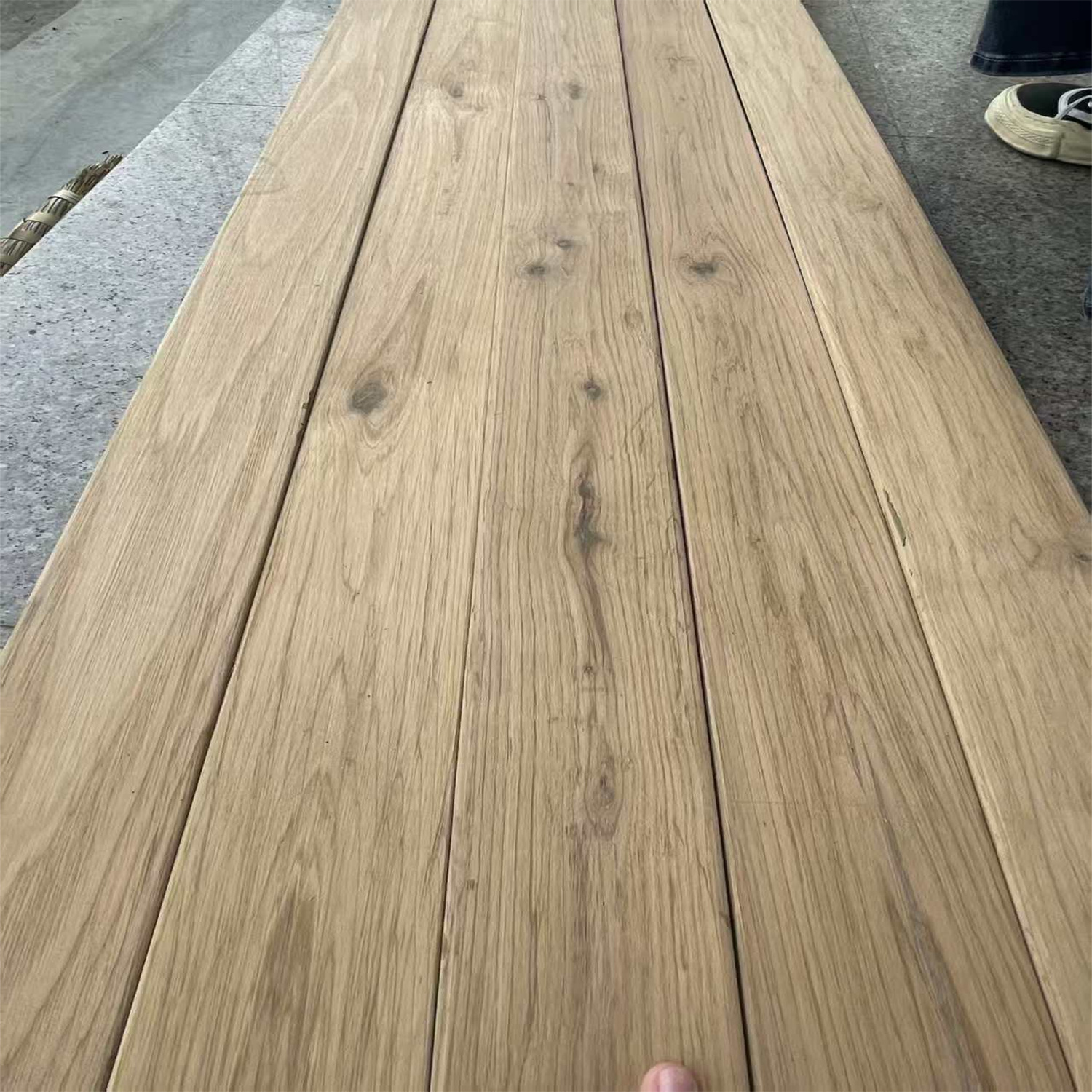
The quality of materials  used in exterior storage closets is paramount for ensuring durability and performance. Common materials include  high-density polyethylene  (HDPE),  wood plastic composites (WPC), and treated  wood. Each material has its advantages  and disadvantages:

HDPE: Known for its resistance to moisture, UV rays, and chemicals, HDPE is an excellent choice  for outdoor environments. It does not  warp, crack, or fade, making  it a long-lasting option for exterior storage.

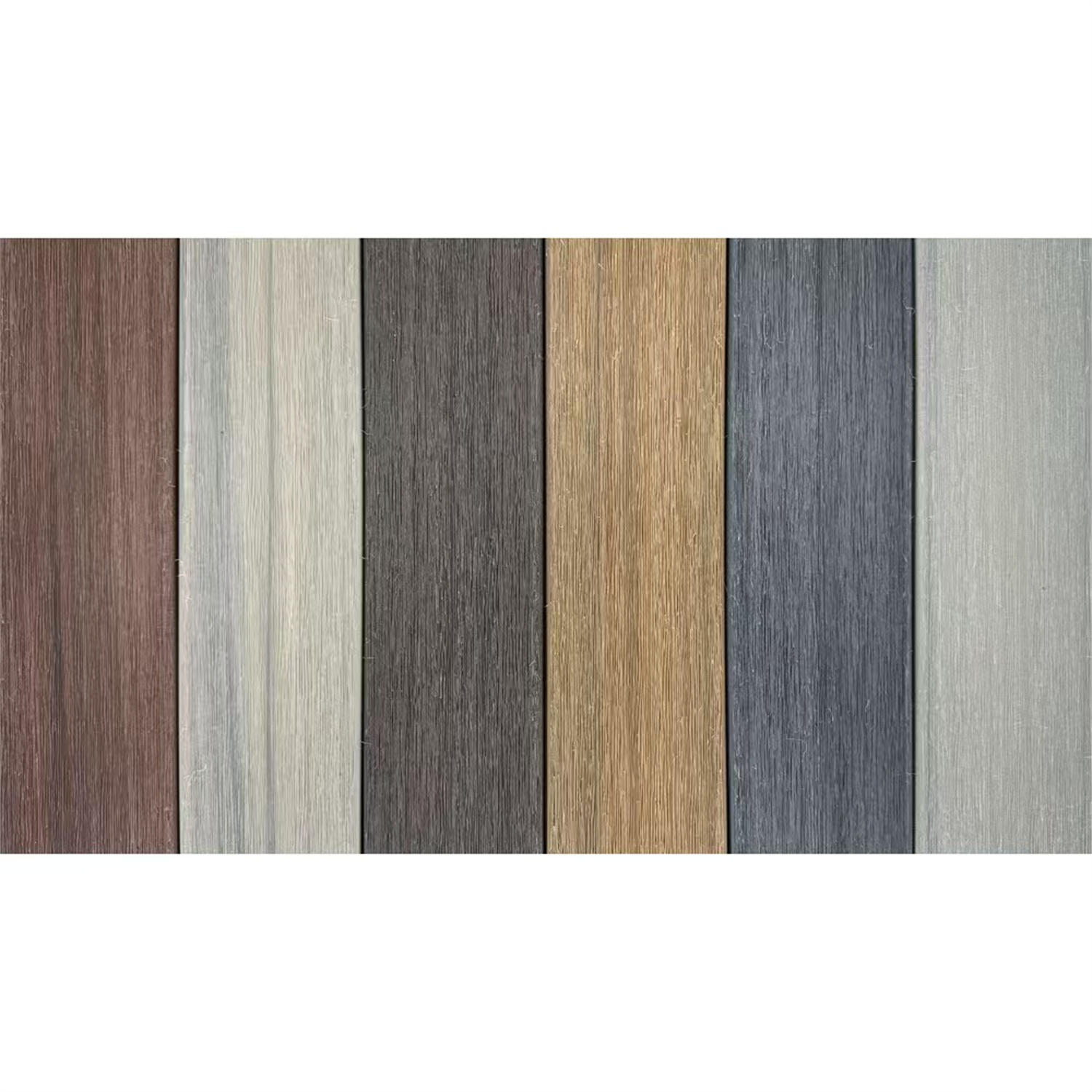
WPC: Combining  wood fibers and plastic, WPC offers  a  balance between aesthetics  and durability. It  provides a natural wood  appearance while being resistant to  rot and insects. However, it may require periodic maintenance to preserve its appearance. For more durable options, consider exploring our WPC Wall Panels.

Treated Wood: This traditional choice can provide a  classic look but may require regular maintenance, such as sealing or painting, to prevent degradation from exposure to the  elements.

When selecting material, consider factors such as the  local climate, intended use, and required longevity. A lower-quality material may lead to higher long-term costs due to replacements or repairs.

Frequently Asked Questions

What materials are used for the exterior storage closet?

We use durable weather-resistant materials including WPC, thermowood, and corrosion-resistant metals to ensure long-lasting outdoor performance and low maintenance.
Yes. With 16 years of experience we offer custom sizes, finishes, shelving layouts, and color options to match residential or commercial outdoor designs.
Absolutely. Our exterior storage closets are designed to integrate with outdoor kitchens and pergolas, providing organized, moisture-resistant storage for equipment and supplies.
Closets feature sealed joints, protective coatings, and ventilated designs to resist rain, UV exposure, and humidity, providing reliable protection for stored items.
Typical lead time varies by customization but generally ranges from 2–6 weeks. We provide project consultation and professional installation support for residential and commercial sites.

Get a Free Quote

Our representative will contact you soon.
0/1000

Related product categories