Designing Outdoor Kitchens: Key Considerations

application/design-kitchen-outdoor, application/design-kitchen-outdoor, 
Inquiry
Inquiry

design kitchen outdoor

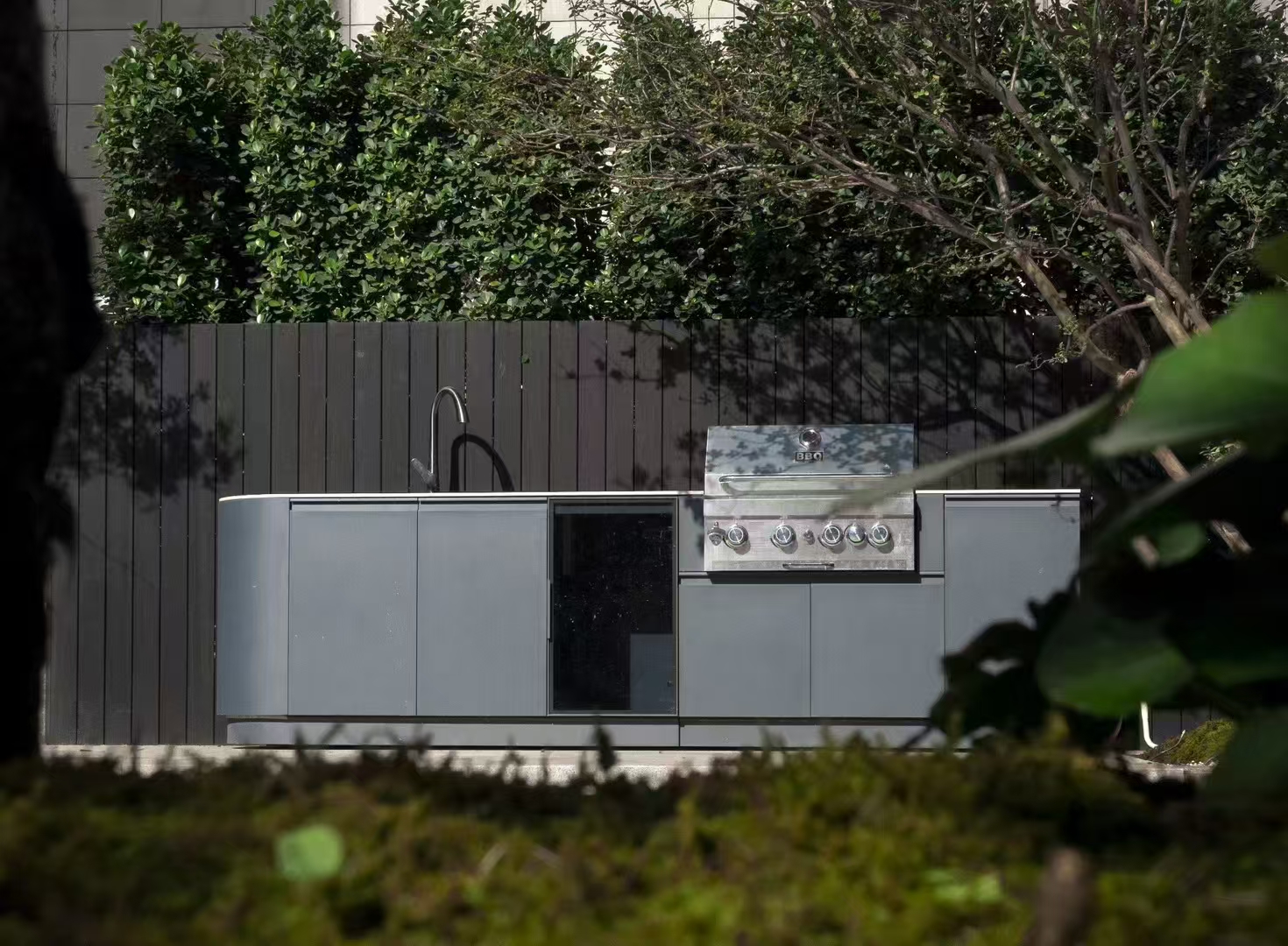
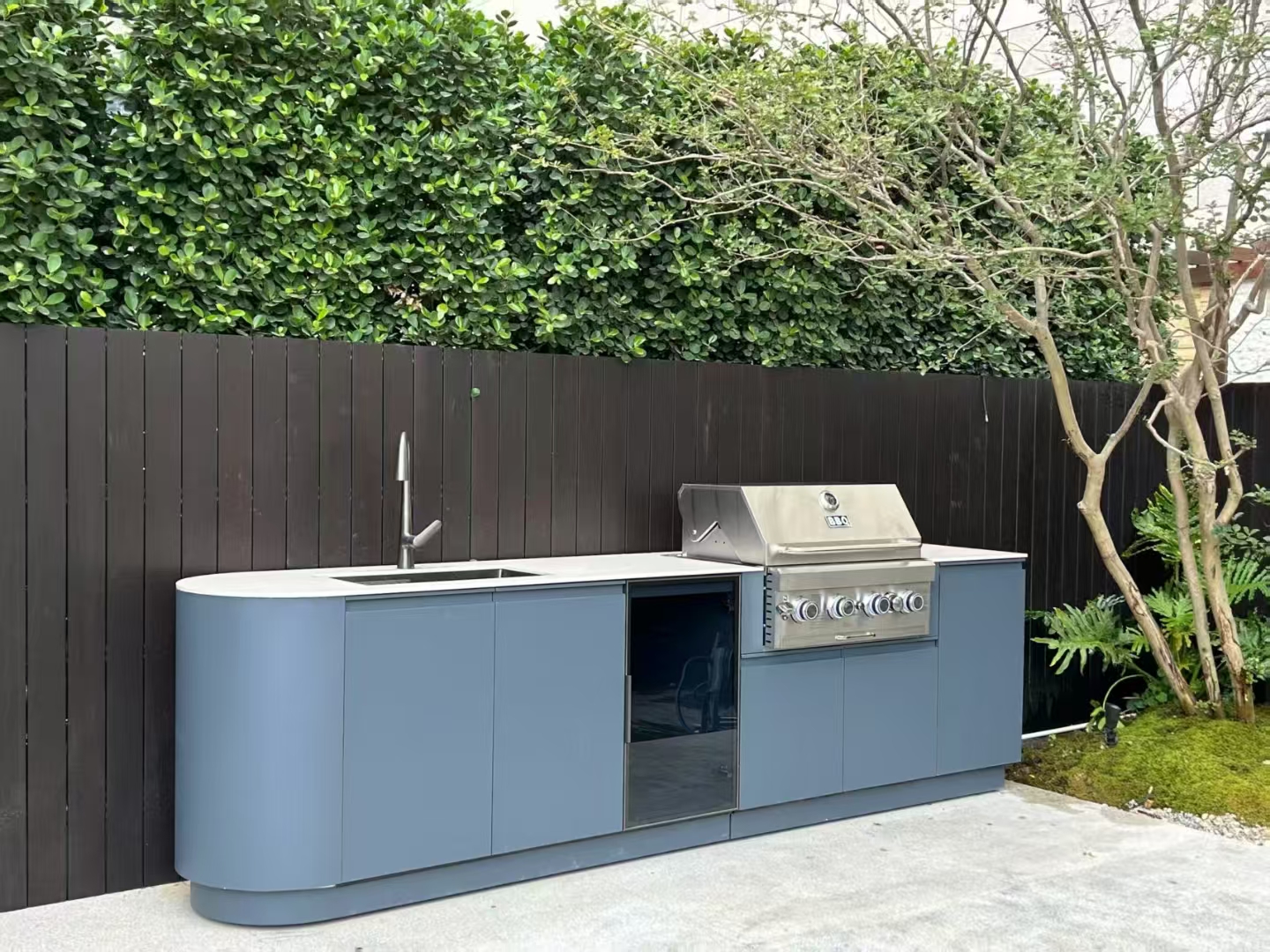
Designing a kitchen for outdoor use  requires  careful consideration of materials, functionality,  and aesthetics. The term "design kitchen outdoor" encompasses various elements,  including layout, equipment selection, and  the  choice of durable materials suitable for outdoor  conditions.  B2B buyers, such  as purchasing managers and  project planners, often seek reliable suppliers,  understand specifications, and consider costs to ensure their  outdoor kitchen projects meet  both quality and design expectations.  This article aims  to guide you through these critical aspects, helping you create an  outdoor  kitchen that serves its  purpose effectively while enhancing outdoor  living spaces. For those looking for inspiration, consider exploring the 5000mm Extra-Large Custom Outdoor Kitchen Island with Integrated Bar Counter Design as a functional option.

Understanding Specifications for Outdoor Kitchen Materials

Understanding Specifications for Outdoor Kitchen Materials

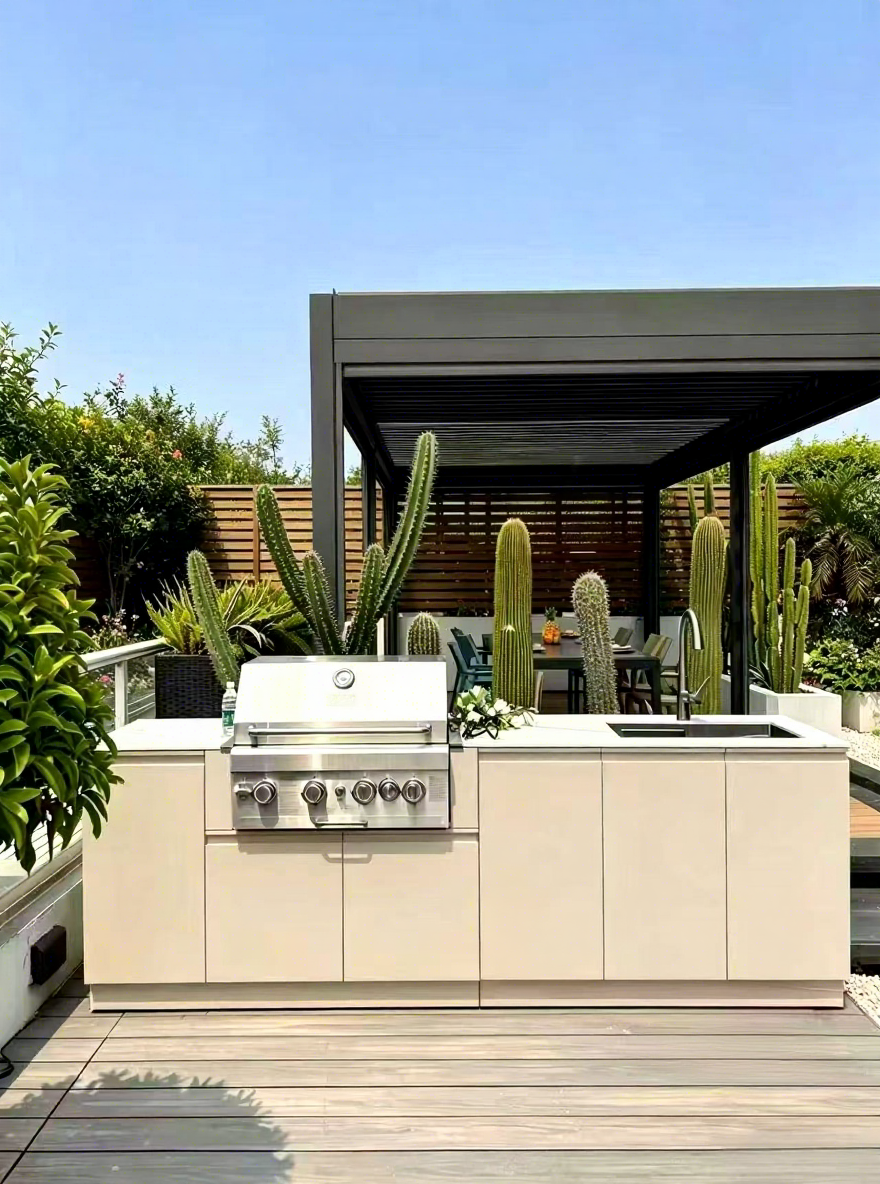
Choosing the right materials is fundamental in the design of  outdoor kitchens. Key  specifications include:

  Material Type: Common materials for  outdoor kitchens include stainless steel, stone, and wood-composite products. Each material has unique attributes influencing durability  and maintenance.  Thickness and Dimensions: These specifications affect the strength  and  appearance of countertops and cabinets. For  example, thicker materials may  offer better  resistance to wear and tear. Weather Resistance: Materials should withstand various environmental conditions, including moisture, UV exposure, and  temperature fluctuations. Products made from WPC (Wood Plastic Composite) and thermowood are often preferred due  to their enhanced durability  against  the elements. 

Buyers should verify these specifications to ensure that the selected  materials align with their project's needs. Discussing these details with  your supplier can help  confirm suitability  for specific applications.

Cost Factors to Consider in Your Outdoor Kitchen Projec

Cost Factors to Consider in Your Outdoor Kitchen Projec

Understanding the cost factors in an  outdoor kitchen project is essential for budgeting effectively. Key considerations include: 

Material Costs: Prices can vary significantly  based on the quality and type  of  materials chosen. For instance, WPC and thermowood may be  more cost-effective in the long  run  due to their  low maintenance needs. Design Complexity: Custom  designs or intricate layouts may require additional  labor and materials, impacting  overall costs. Simple designs typically offer better  cost efficiency. Installation  Expenses:  Factor in labor costs for installation, which can vary depending  on the complexity of  the installation  process  and  the local market  rates.

Additionally, consider potential hidden costs, such as site preparation and utility connections. Accurate project quotes should include all these aspects to avoid unexpected expenses.

Common Problems in Outdoor Kitchen Design and Their Solutions

Common Problems in Outdoor Kitchen Design and Their Solutions

Designing  an outdoor  kitchen can present  various challenges. Common  issues include: 

Moisture Damage: Outdoor kitchens are susceptible  to water  damage. Solutions  include selecting  moisture-resistant materials, like WPC, and ensuring proper drainage and ventilation systems  are in place. Temperature Fluctuations: Extreme heat  or cold can affect the performance of certain materials. Utilizing thermowood for cabinetry and  countertops can  mitigate such issues, as  it is engineered to  withstand temperature changes. Space Limitations: Many outdoor spaces have design constraints. Efficient layout planning  is vital. Modular  units can optimize space  while providing functionality.

Addressing these challenges during the design  phase can  lead to a more successful and sustainable outdoor kitchen that withstands  the test of time.

Benefits of Using WPC and Thermowood in Outdoor Kitchens

WPC and thermowood offer distinct advantages for outdoor kitchens, making  them popular choices among buyers.

WPC  (Wood  Plastic  Composite) Durability: WPC  is resistant  to decay, insects, and moisture, making it suitable  for outdoor environments. This durability leads to lower maintenance costs over time.  Sustainability: WPC is often made from recycled materials, appealing to environmentally conscious  buyers. Aesthetic Versatility: Available in various colors and finishes, WPC  can mimic the appearance of natural  wood while providing enhanced performance. Thermowood Thermal Stability: Thermowood  undergoes a heat treatment process that increases its  resistance to moisture and  temperature changes, making it ideal for outdoor use. Natural Appearance: This material retains  the natural look of wood while offering improved durability and  longevity. Low Maintenance: Unlike untreated wood, thermowood does not require chemicals for preservation, reducing long-term maintenance costs.

Incorporating these  materials into outdoor kitchen designs not only enhances the kitchen's functionality but also contributes to a visually appealing outdoor space that can withstand environmental challenges.

By understanding these critical aspects  of designing an outdoor kitchen, B2B buyers can make informed decisions that lead to successful project outcomes. Whether it's selecting the right materials or choosing a reliable supplier, careful planning will ensure  the outdoor kitchen meets both aesthetic and functional requirements, ultimately enhancing outdoor living  experiences.

Where to Find Reliable Suppliers for Outdoor Kitchen Products

Finding trustworthy suppliers for outdoor kitchen products  is crucial  for ensuring quality and reliability. Start by exploring industry directories, trade shows, and online marketplaces that specialize in outdoor living products. Look for manufacturers with a  proven track  record in outdoor kitchen solutions, such  as Shenzhen  Xiaozhu  Garden Landscape Engineering Co., Ltd., which has 16 years of experience in this sector. You might also want to consider modular solutions like the Modular Outdoor Kitchen System – Flexible DIY Design for Modern Outdoor Living for greater flexibility.

When evaluating suppliers,  consider their  production capabilities, quality control processes, and  customer reviews. Request  samples to better  assess product quality and  ensure  that the materials used are suitable for outdoor  conditions.  Additionally, confirm their customization  capabilities to meet specific  project  requirements. Establishing a strong relationship with your supplier can also facilitate smoother communication regarding lead times and potential  design modifications.

Frequently Asked Questions

What outdoor kitchen services do you offer?

We design and install custom outdoor kitchens, including layout planning, countertop and cabinetry selection, built-in grills, sinks, lighting, and appliance integration for residential and commercial projects.
Yes. We specialize in WPC systems and thermowood for durable decking, cabinets, and cladding, matching materials to environment and maintenance preferences.
Project duration varies by scope; small kitchens often take 2–4 weeks, while larger commercial installations may take 6–12 weeks, including design, fabrication, and onsite assembly.
Yes. With 16 years’ experience we offer integrated design, 3D planning, material selection, permitting guidance, and project management from concept to completion.
We offer workmanship warranties and post-installation support. Maintenance recommendations are provided for WPC, thermowood, and appliances; extended service plans can be arranged.

Get a Free Quote

Our representative will contact you soon.
0/1000