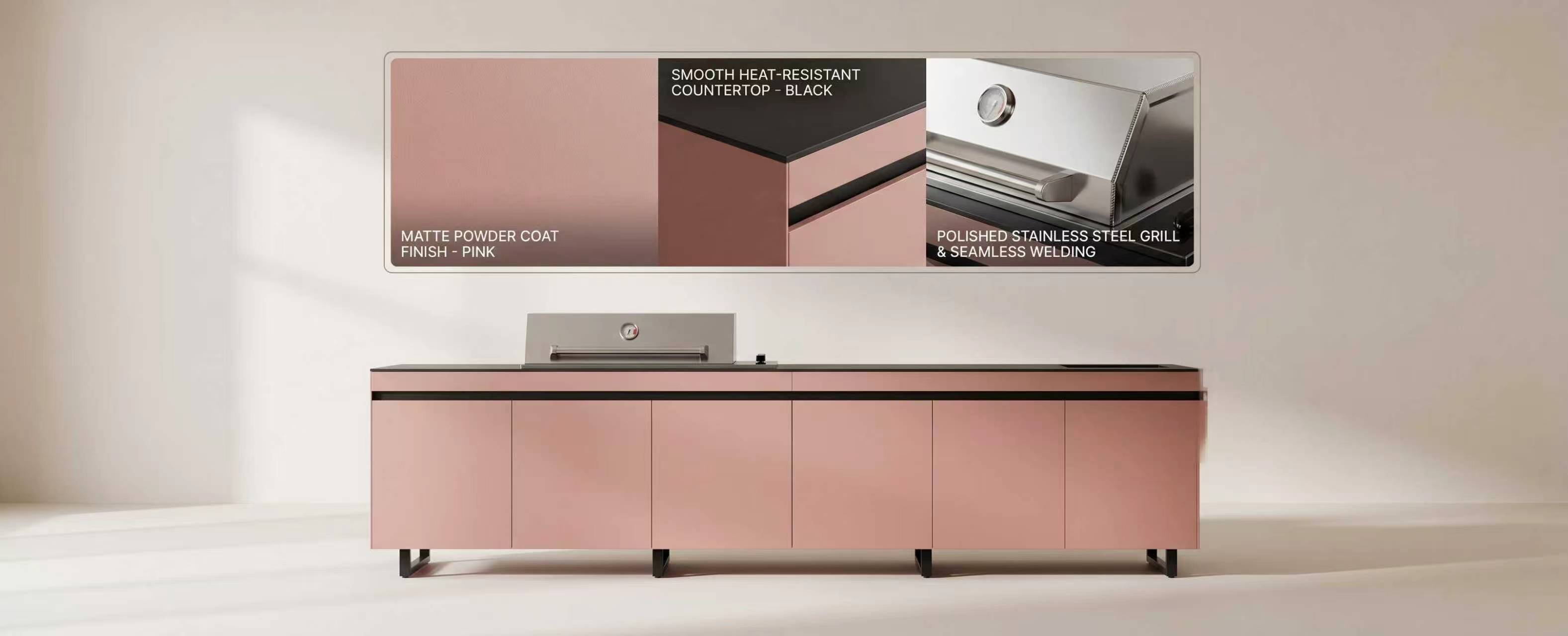
Custom Made Outdoor Kitchen: Key Considerations

application/custom-made-outdoor-kitchen, application/custom-made-outdoor-kitchen, 
Inquiry
Inquiry

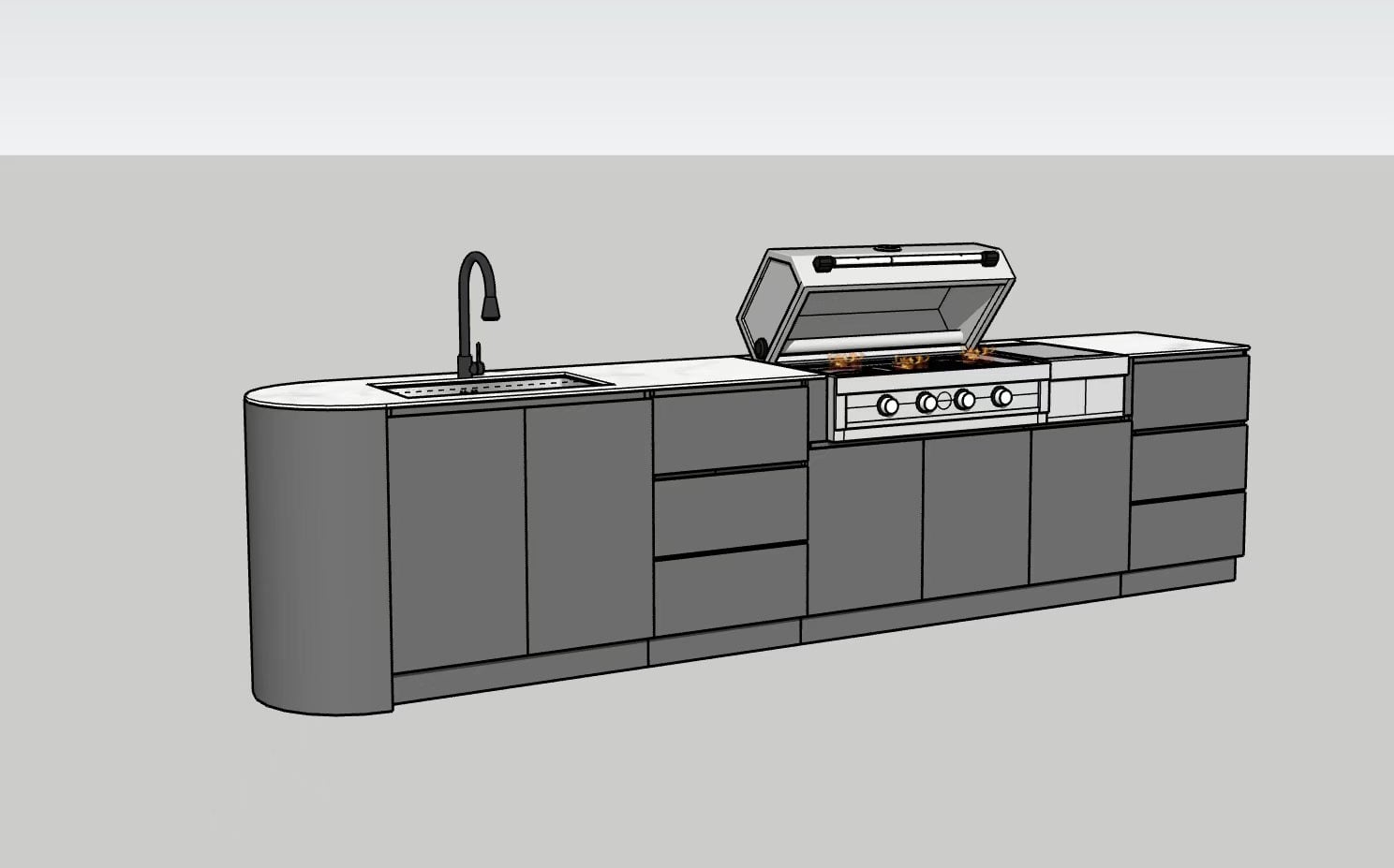
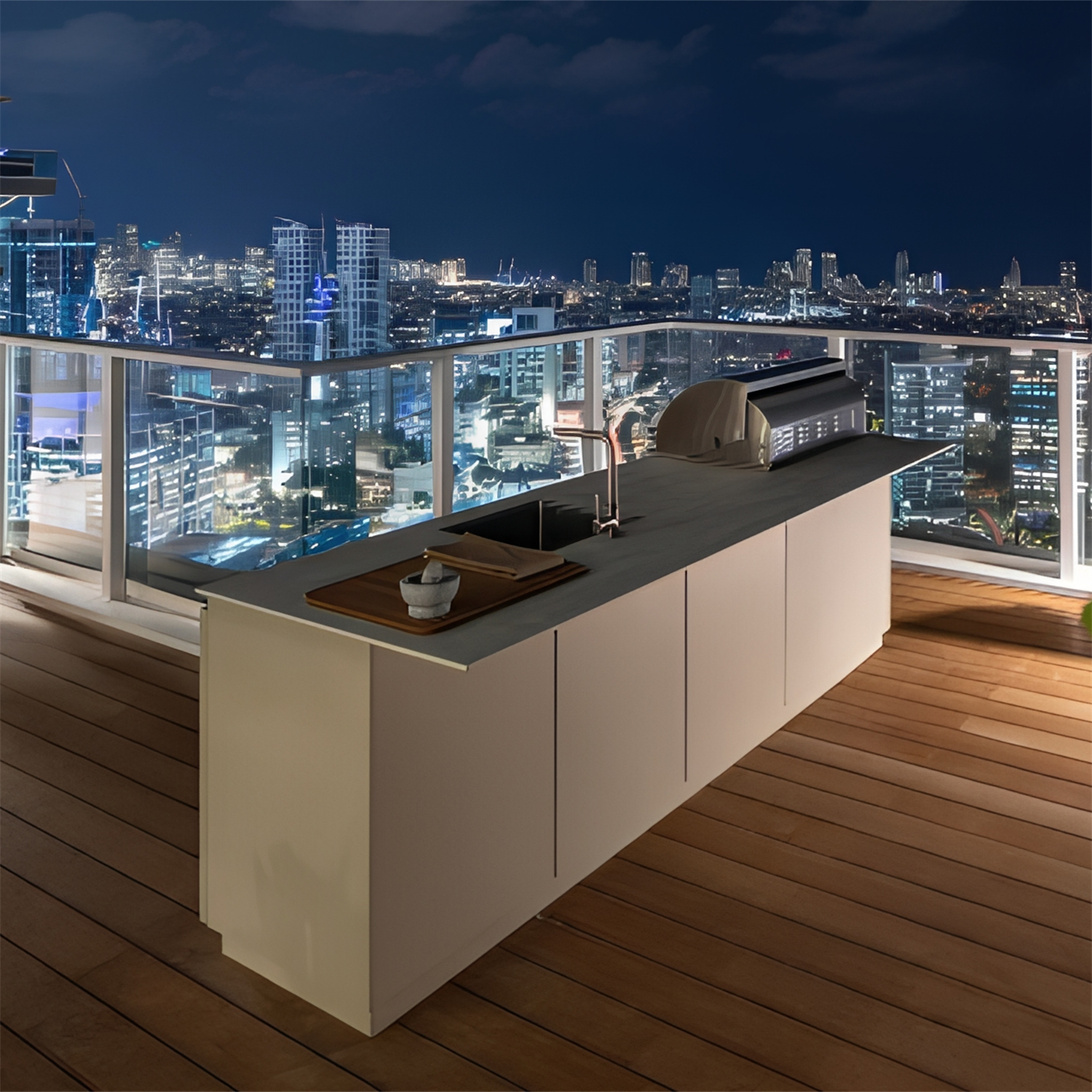
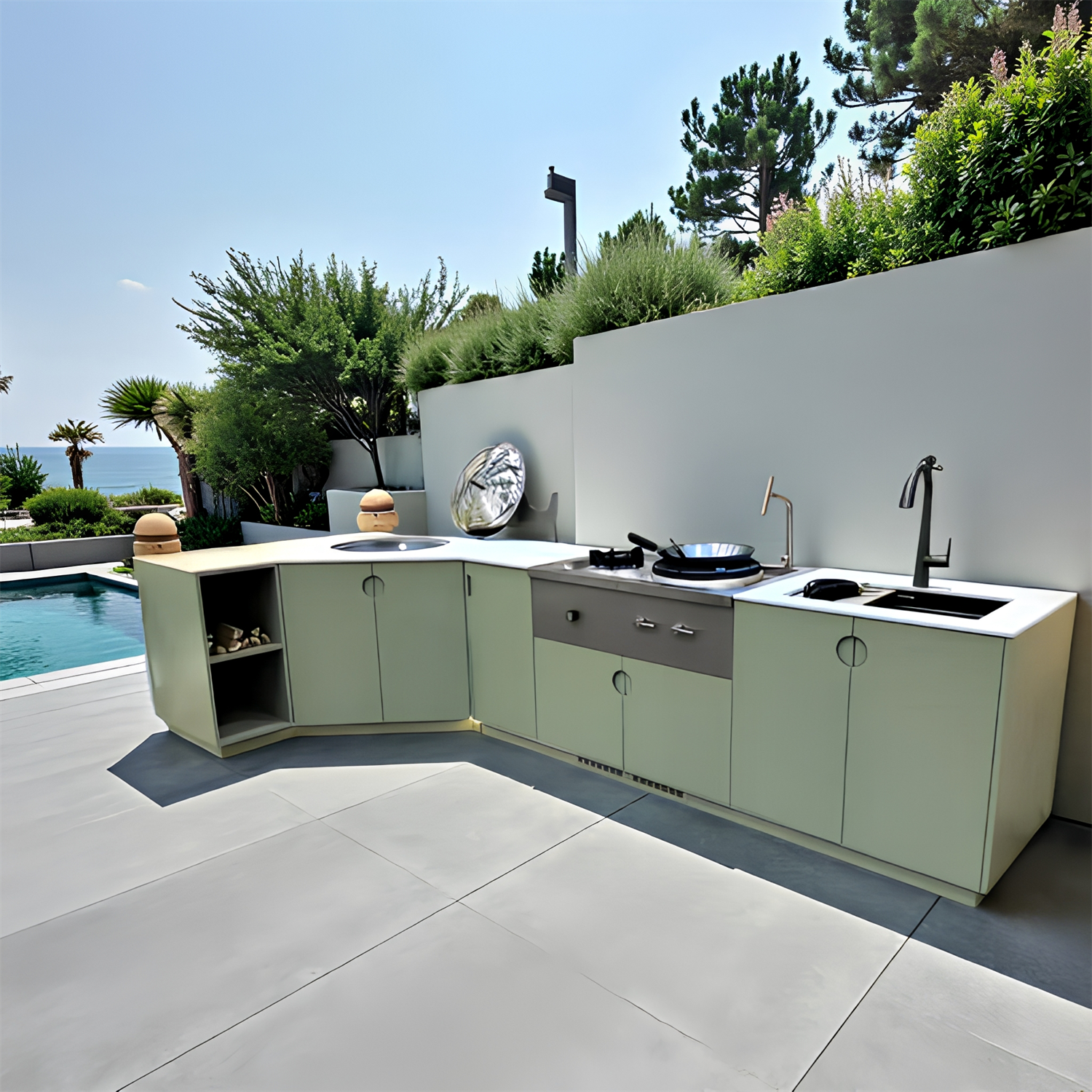
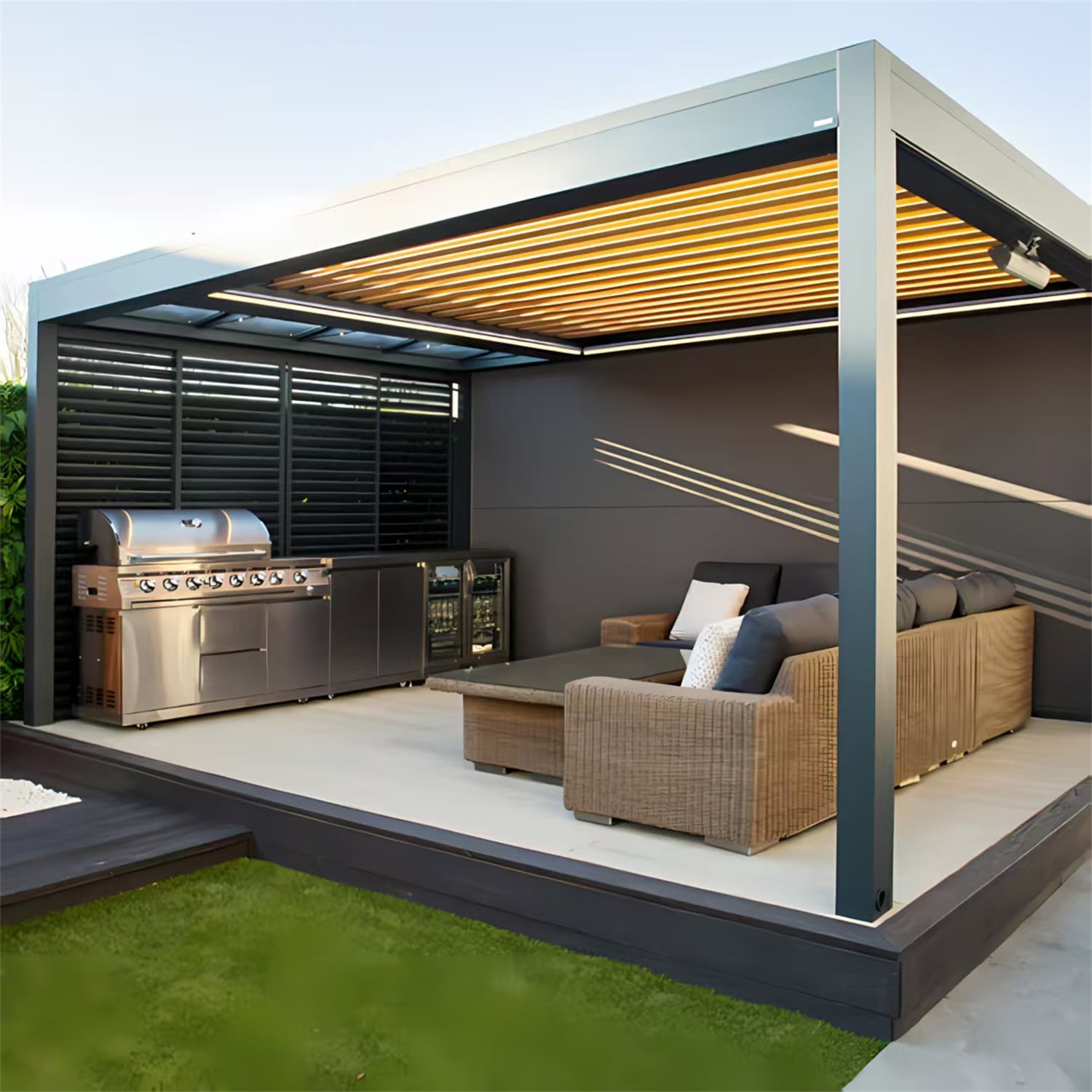
Custom made outdoor kitchen

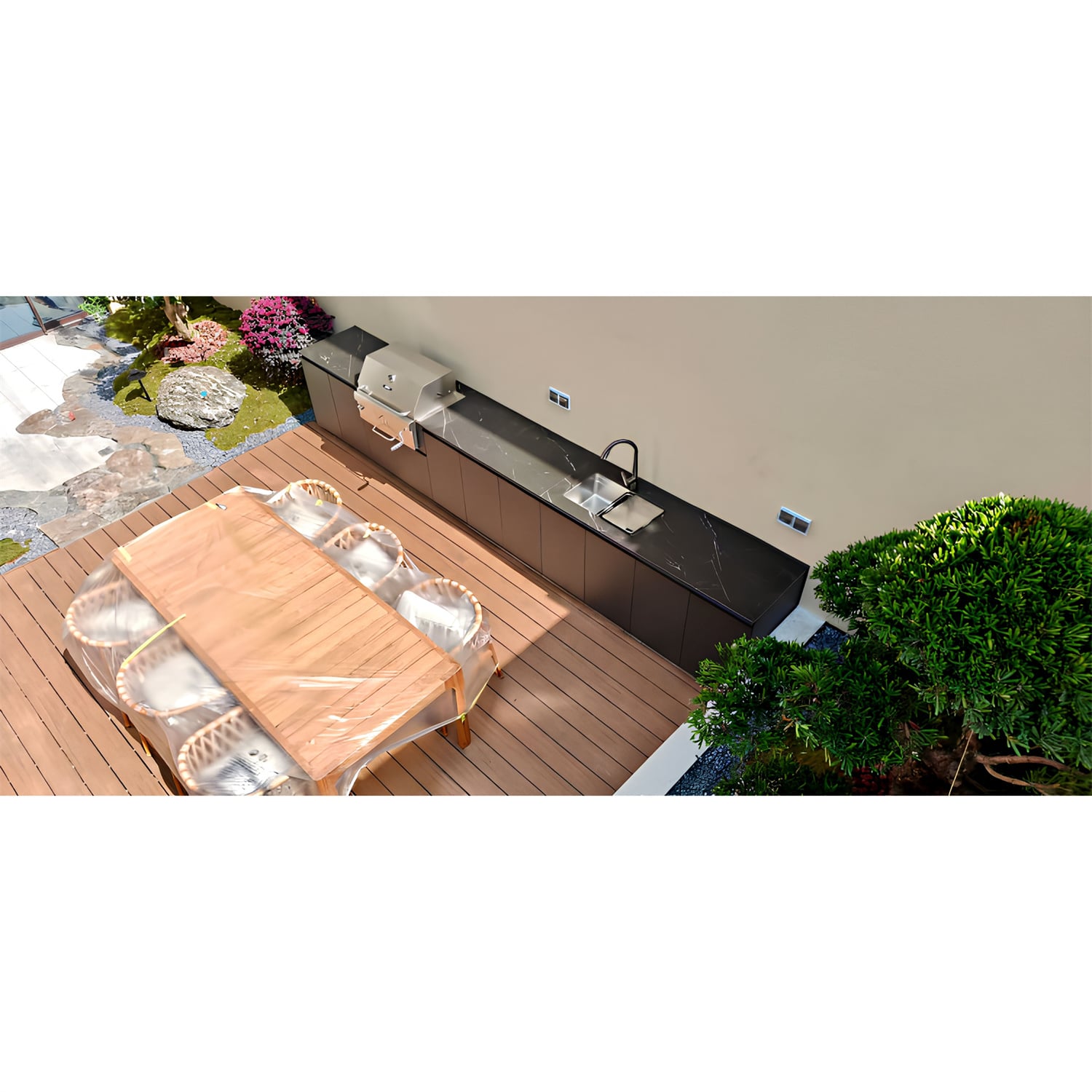
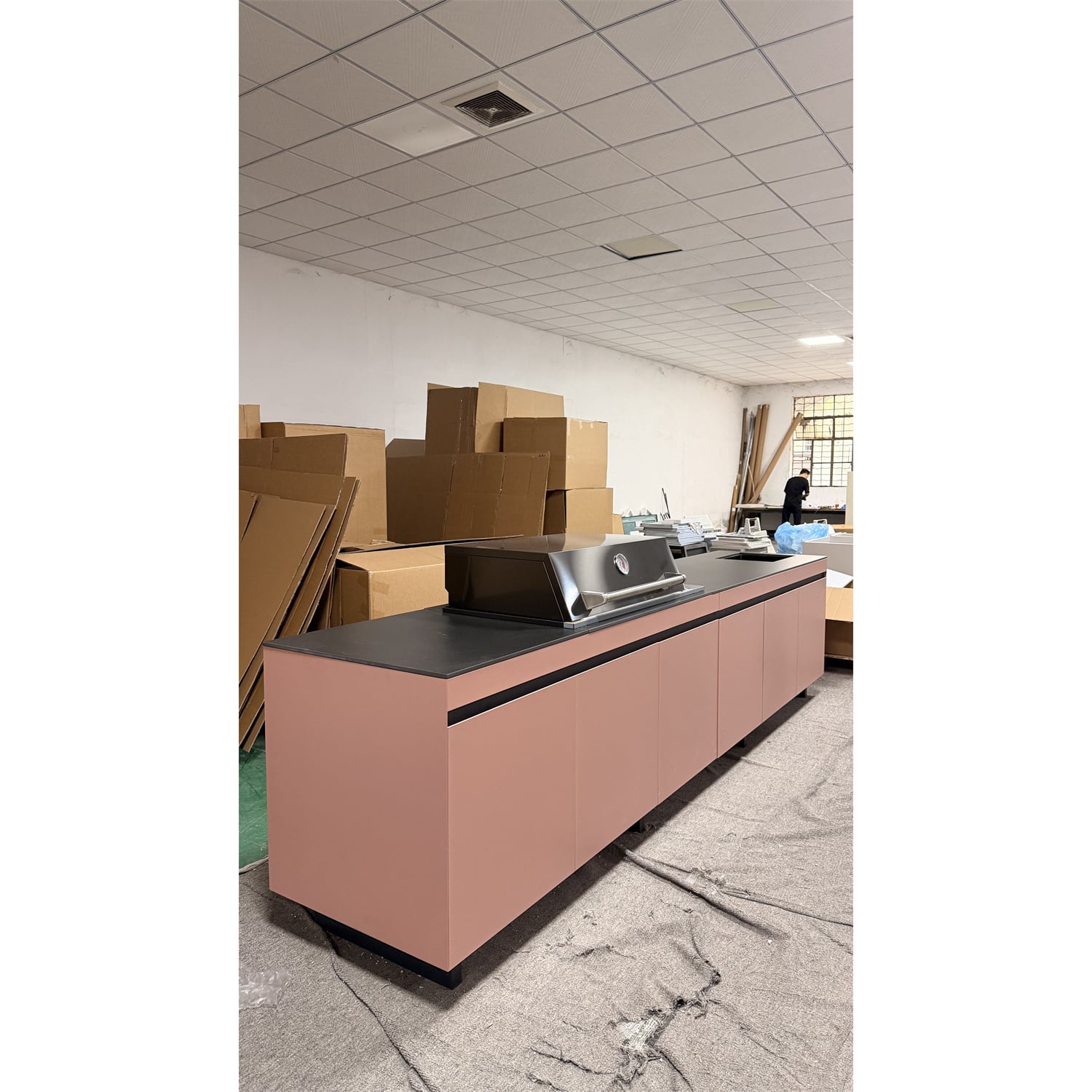
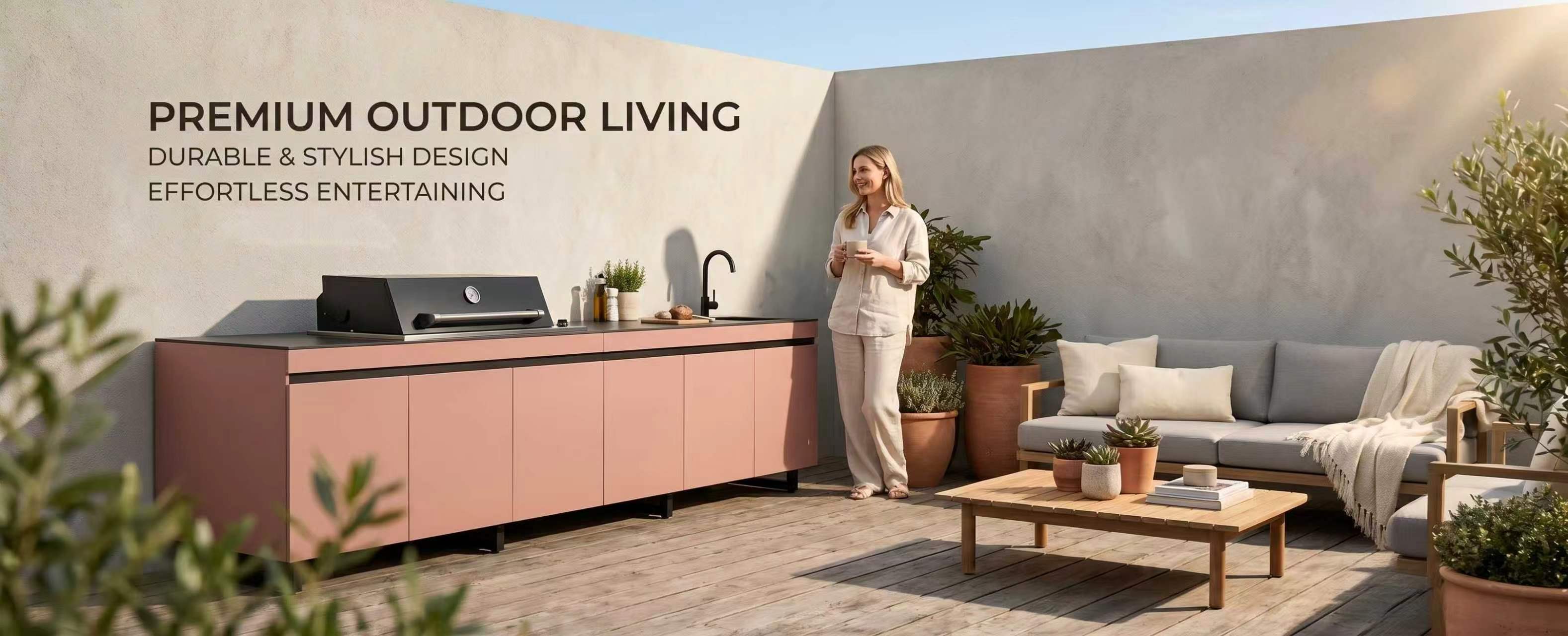
Creating a custom made outdoor kitchen can transform your outdoor space into a functional and inviting area for cooking and entertaining. For B2B buyers, this means addressing crucial concerns such as material quality, design flexibility, and installation requirements, we will explore essential considerations when selecting a custom made outdoor kitchen cabinets, evaluate material quality, discuss wholesale sourcing options, provide installation guidance, and outline important technical specifications for your project.

How to Evaluate the Quality of Custom Outdoor Kitchen Materials

How to Evaluate the Quality of Custom Outdoor Kitchen Materials

Material quality is a critical factor in the longevity and performance of a Xiaozhu outdoor kitchen cabinet door. Here are important points to evaluate: 

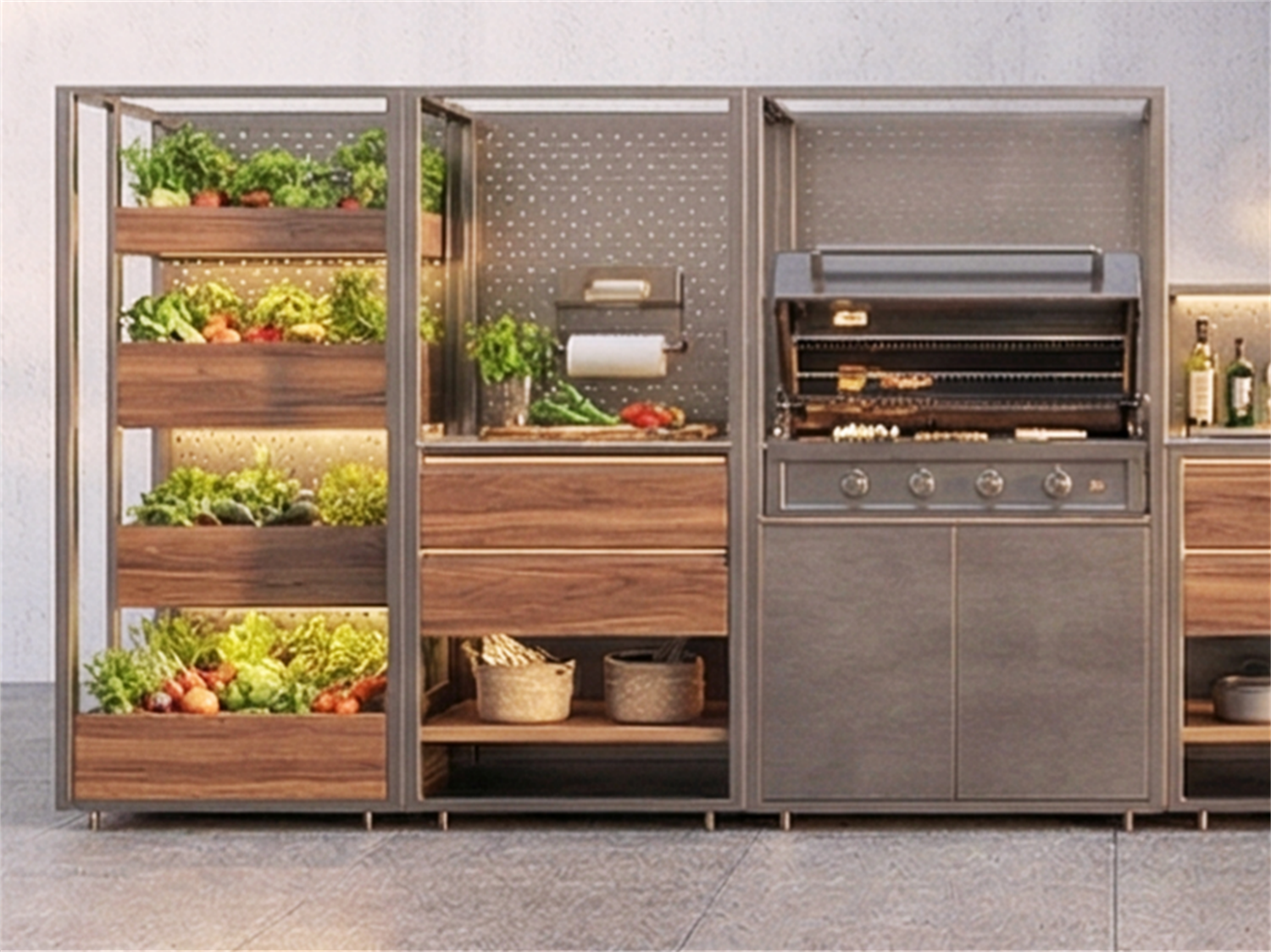
Durability: Assess the resistance of materials to weather conditions, corrosion, and wear. For instance, stainless steel is widely favored for its strength and resistance to rust, while thermowood offers natural beauty and better moisture resistance. 

Finish and Coatings: Examine the finishes applied to materials. High-quality coatings can enhance durability and ease of maintenance. Ensure that the chosen finishes can withstand UV exposure and are easy to clean. 

Thermal Properties: Consider how materials retain heat and resist temperature fluctuations. Materials like stone may retain heat for grilling, while lighter materials might be necessary to avoid excessive heat buildup. 

Environmental Impact: Evaluate the sustainability of materials. For instance, responsibly sourced thermowood or WPC (Wood Plastic Composite) can be excellent eco-friendly options that do not compromise on quality. 

Supplier Certifications: Work with suppliers who provide certifications for their materials, which can be an indicator of quality standards and sustainability practices. 

By thoroughly evaluating these factors, you can ensure that the materials chosen for the custom made outdoor kitchen are suitable for the intended application and will provide long-lasting performance.

Wholesale Solutions for Sourcing Custom Outdoor Kitchens

Wholesale Solutions for Sourcing Custom Outdoor Kitchens

For businesses looking to source custom made outdoor kitchens in bulk, wholesale solutions offer significant advantages: 

Supplier Relationships: Establishing strong relationships with manufacturers like Shenzhen Xiaozhu Garden Landscape Engineering Co., Ltd. can lead to better pricing, priority production, and access to exclusive designs. 

Minimum Order Quantities (MOQ): Understand the MOQ requirements for different materials and components.  Manufacturers typically have specific MOQs that can affect your purchasing strategy and overall project costs. 

Customization Capabilities: Inquire about the extent of customization available from suppliers. Some manufacturers may offer bespoke designs, allowing you to meet the unique needs of your clients. 

Logistics and Shipping: Consider the logistics involved in sourcing custom made outdoor kitchen. Suppliers should have efficient shipping processes, especially if you are importing products. Clear communication about delivery timelines and costs is essential. 

Market Trends: Stay informed about market trends to identify popular styles, materials, and features in cheap outdoor kitchen cabinets. This knowledge can help you make informed decisions when discussing options with suppliers. 

Utilizing wholesale solutions can streamline the procurement process and help businesses secure high-quality outdoor kitchens at competitive prices.

Installation Guidance for Your Custom Made Outdoor Kitchen Projec

Installation Guidance for Your Custom Made Outdoor Kitchen Projec

Proper installation is crucial for the functionality and durability of a Xiaozhu custom made outdoor kitchen. Here are key steps to ensure a successful installation: 

Planning and Design: Before installation begins, finalize the design and layout based on the earlier assessment of space and functionality. Collaborate with your installation team to confirm that all measurements are accurate. 

Site Preparation: Ensure the installation site is adequately prepared. This may involve leveling the ground, laying a foundation, or installing utilities such as gas and electricity. 

Component Assembly: Follow manufacturer guidelines for assembling modular components or installing custom units. Pay attention to securing heavy appliances and ensuring proper ventilation for grills and cooktops. 

Quality Checks: Conduct quality checks throughout the installation process. Inspect materials for any defects and verify that all components are installed according to specifications. 

Final Adjustments: Once installed, conduct a final review to ensure everything functions correctly. Test appliances and check for proper drainage and ventilation. 

Maintenance Guidance: Provide clients with maintenance recommendations to prolong the lifespan of their custom made outdoor kitchen, including cleaning routines and seasonal preparations. 

Following these installation steps will help ensure a seamless process and a high-quality finished product.

Technical Specifications for Custom Outdoor Kitchen Design Options

When designing a custom made outdoor kitchen, understanding technical specifications is essential for achieving the desired performance and aesthetic. Key specifications to consider include: 

Dimensions and Layout: Specify the dimensions for each component, ensuring that they fit within the designated space while providing adequate working areas. Consider ergonomic factors, such as the height of countertops and the placement of appliances. 

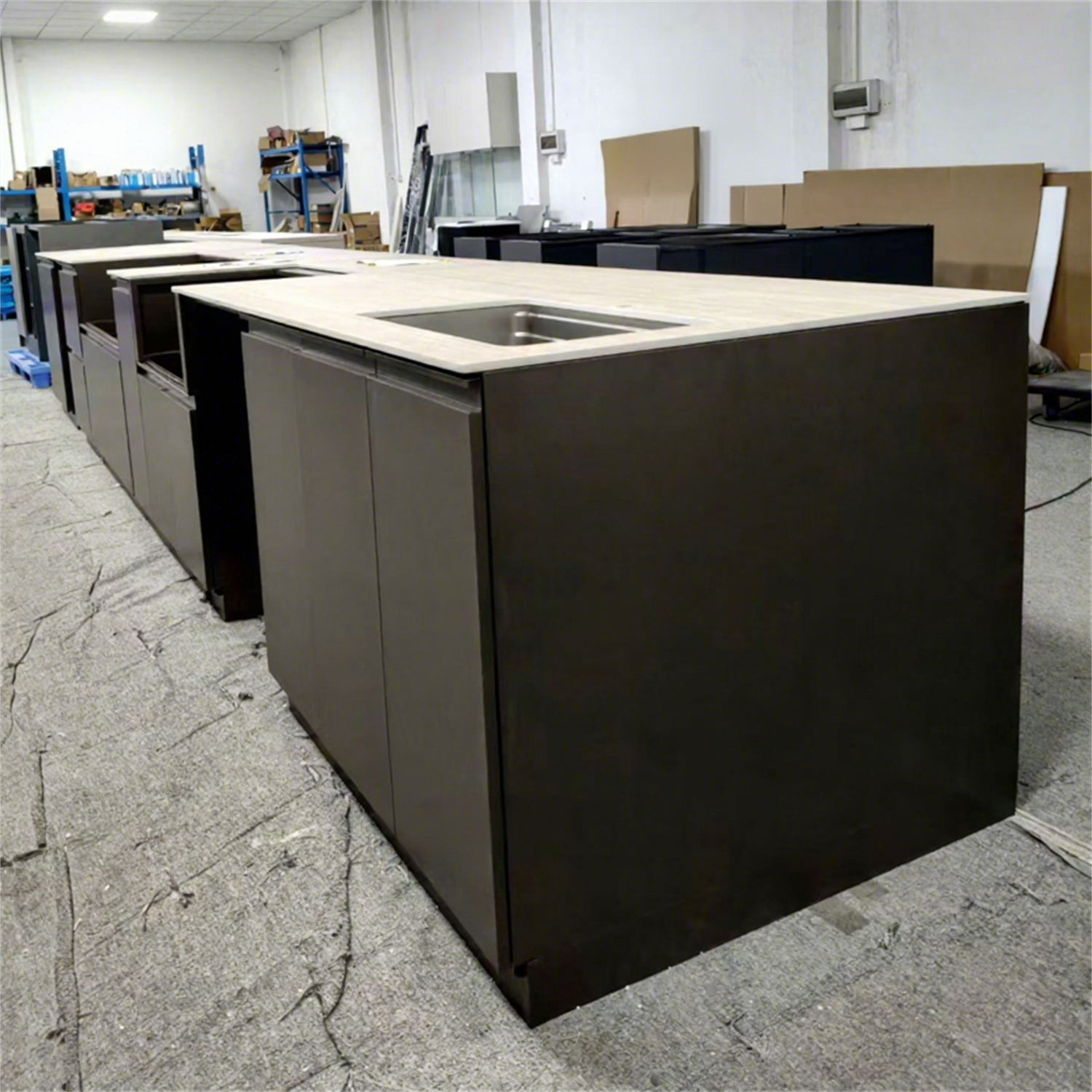
Material Thickness: Evaluate the thickness of materials used in countertops and cabinetry. Thicker materials generally offer greater durability and resistance to wear, but they may also affect weight and installation requirements. 

Load-Bearing Capacity: Depending on the design, ensure that the structure can support the weight of heavy appliances, countertops, and any additional features like pergolas or overhead canopies. 

Electrical and Plumbing Requirements: Identify the electrical and plumbing specifications needed for appliances like refrigerators, sinks, and lighting. Ensure compliance with local building codes and safety standards. 

Ventilation Needs: Proper ventilation is crucial for gas appliances. 

Finishing Options: Discuss finishing options, including sealants and protective coatings, that enhance the durability and appearance of materials used in the custom made outdoor kitchen. 

By understanding and specifying these technical parameters, buyers can make informed decisions that lead to successful custom made outdoor kitchen installations tailored to specific needs and preferences.

What to Consider When Choosing a Custom Made Outdoor Kitchen

When selecting a custom made outdoor kitchen, start by identifying the specific needs and preferences of your client or project. Key considerations include: 

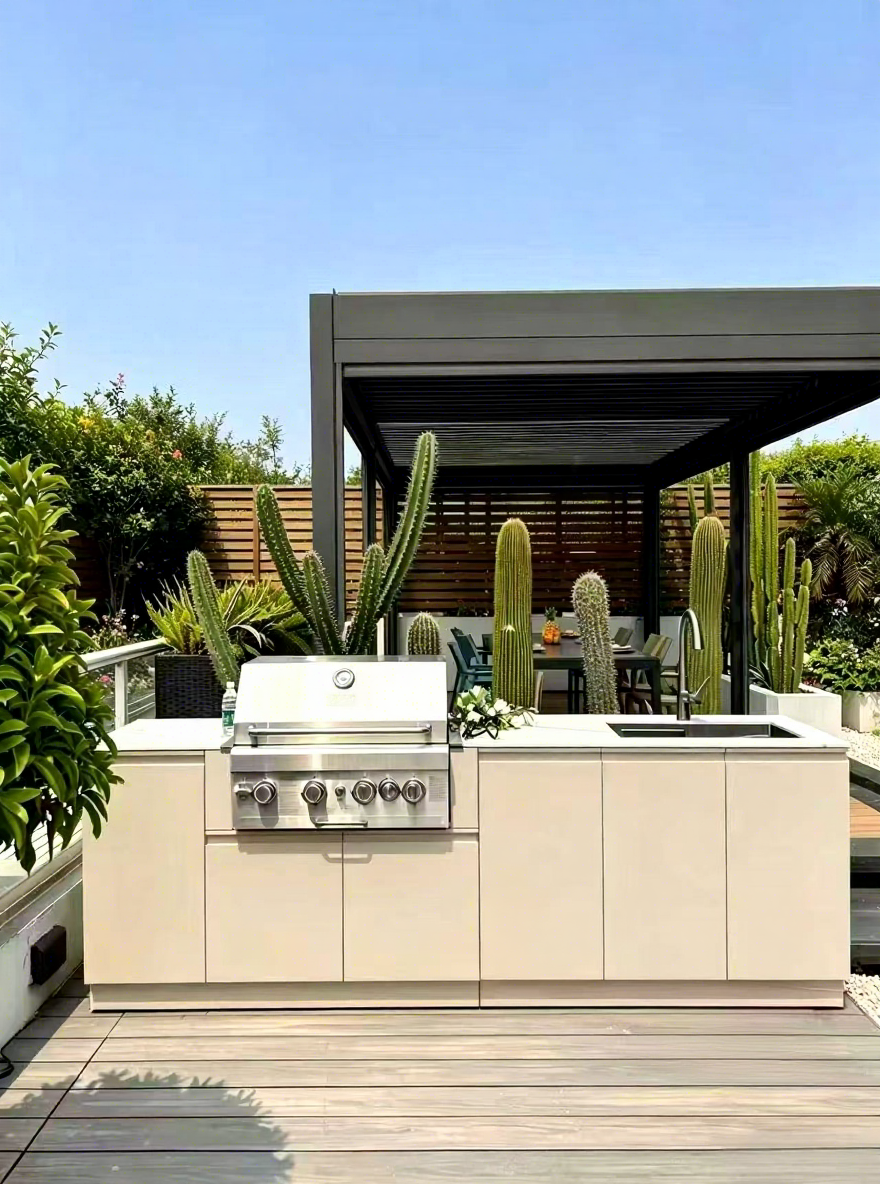
Space and Layout: Evaluate the available outdoor space and consider how the kitchen will fit into the overall landscape. The layout should facilitate efficient cooking and entertaining, incorporating essential components such as grills, countertops, and storage. 

Material Selection: Outdoor kitchens are exposed to various weather conditions, so choosing durable materials is crucial. Common materials include stainless steel, stone, and thermowood. Each has unique properties that affect aesthetics, maintenance, and longevity. 

Customization Options: Determine the level of customization required. Some buyers may prefer a fully tailored solution, while others might opt for modular components that allow for easier installation and future modifications. 

Functionality: Consider the appliances and features that will be included, such as built-in grills, refrigerators, sinks, and storage options. The functionality should align with the intended use, whether for family gatherings or commercial outdoor dining. 

Budget and Pricing: Establish a clear budget for the project, taking into account not only the initial investment in materials and appliances but also ongoing maintenance and potential upgrades. 

Understanding these considerations will help guide your decision-making process and ensure the final product meets all functional and aesthetic requirements.

Frequently Asked Questions

What customization options are available for outdoor kitchens?

We offer custom layouts, materials (WPC, thermowood, stainless steel), cabinetry, countertops, grills, sinks, and pergola integrations tailored to site and client needs.
Typical lead time is 4–12 weeks depending on design complexity, materials, and site preparation. We provide a timeline after site assessment.
Yes. We perform site surveys, design, permit coordination, and full installation with experienced crews to ensure proper drainage, utilities, and finish.
We recommend thermowood and high-grade WPC for longevity, corrosion-resistant metals for fixtures, and weatherproof countertops suited to local climate.
Absolutely. We have 16 years’ experience delivering integrated outdoor living solutions for both residential and commercial projects with scalable designs.

Get a Free Quote

Our representative will contact you soon.
0/1000