Key Specifications for Custom Barbecue Islands

application/custom-barbecue-islands, application/custom-barbecue-islands, 
Inquiry
Inquiry

Custom barbecue islands

Custom barbecue islands are a popular choice for enhancing outdoor spaces, providing both functionality and aesthetics for residential and commercial applications. As a purchasing manager or distributor, your main concerns likely revolve around product specifications, installation processes, and the overall value for your investment. This article will delve into key specifications for wholesale buyers, installation guidance tailored for commercial settings, common problems and solutions, the distinctions between residential and commercial use, and the features and benefits that may interest distributors. 

Installation Guidance for Custom Barbecue Islands in Commercial Settings

Installation Guidance for Custom Barbecue Islands in Commercial Settings

Installing custom barbecue islands in commercial environments requires careful planning and execution. Here are some key steps to ensure a successful installation: 

Site Preparation: Begin with a thorough assessment of the installation site. Ensure the area is level and has adequate drainage to prevent water accumulation, which can damage the structure. 

Utilities Setup: Confirm that necessary utilities, such as gas lines for grills and electrical outlets for lighting or refrigeration, are installed and accessible. It’s crucial to work with licensed professionals to adhere to safety regulations. 

Assembly Instructions: Follow the manufacturer’s assembly guidelines closely. Custom barbecue islands often come as modular units, which can simplify installation but require attention to joinery and alignment. 

Quality Checks: After installation, perform a comprehensive quality check. Ensure all components function correctly, and inspect for any visible defects. Address any issues before the island is put into operation to avoid disruptions. 

Maintenance Planning: Discuss maintenance requirements with the manufacturer. Regular upkeep can prolong the life of the outdoor barbecue cabinets island and maintain its appearance, particularly in outdoor settings subject to varying weather conditions. 

By following these installation guidelines, commercial buyers can maximize the investment in custom barbecue islands and ensure long-lasting performance. 

Common Problems with Custom Barbecue Islands and Their Solutions

Common Problems with Custom Barbecue Islands and Their Solutions

When investing in custom barbecue islands, buyers should be aware of potential issues that may arise. Here are common problems and practical solutions: 

Material Degradation: Exposure to harsh weather can lead to material degradation, particularly in wood-based products. Opt for WPC or treated materials designed to withstand outdoor conditions. Regular maintenance, including sealing and cleaning, can help mitigate wear. 

Inefficient Layout: Poorly designed layouts can hinder functionality. Before finalizing your design, consider the workflow of grilling and food preparation. Ensure there’s ample space for movement and that all necessary tools and ingredients are easily accessible. 

Installation Errors: Misalignment during assembly can cause functionality issues. Always double-check measurements and follow assembly instructions meticulously. If possible, involve professionals experienced in outdoor kitchen installations to ensure precision. 

Utility Malfunctions: Problems with gas lines or electrical connections can lead to safety hazards. Engage qualified technicians to inspect and install utility connections, ensuring compliance with safety standards. 

By anticipating these common issues, buyers can take proactive steps to ensure their built in gas barbecue grill islands function effectively and safely. 

Residential vs. Commercial Use

Residential vs. Commercial Use

Understanding the differences between residential and commercial use of custom barbecue islands is crucial for making the right purchasing decision. Here are some distinctions to consider: 

Usage Frequency: Residential barbecue islands are typically used less frequently compared to commercial installations, which may see daily use in restaurants or catering services. This difference influences material choice and build quality; commercial products should prioritize durability and ease of maintenance. 

Design Complexity: Commercial barbecue islands often feature more complex designs, incorporating multiple cooking surfaces, storage, and utility connections to accommodate high-volume cooking. Residential versions may be simpler, focusing on aesthetic appeal and basic functionality. 

Compliance Standards: Commercial installations must comply with stricter health and safety regulations, including fire codes and ventilation requirements. Buyers should ensure that any custom barbecue islands intended for commercial use meet these standards to avoid legal issues. 

By recognizing these differences, buyers can tailor their selection process to suit either residential or commercial needs effectively. 

Features and Benefits for Distributors

Distributors play a crucial role in marketing and supplying custom barbecue islands. Here are key features and benefits that can enhance their value proposition: 

Variety of Options: Offering a range of designs, sizes, and materials allows distributors to cater to diverse customer preferences. This flexibility can attract both residential and commercial clients. 

Customization Capabilities: Highlighting the ability to customize features can distinguish your offerings. Options such as built-in refrigerators, sink units, and various grill types can appeal to buyers looking for tailored solutions. 

Sustainability Initiatives: Emphasizing eco-friendly materials and manufacturing processes can resonate with environmentally conscious consumers. Providing certifications or information about sustainable practices can enhance credibility. 

Competitive Pricing: Ensure your pricing strategy reflects the value offered while remaining competitive in the market. Consider factors such as bulk purchasing discounts and financing options to attract larger clients. 

By focusing on these features and benefits, distributors can effectively position custom barbecue islands in the market and create compelling sales propositions for potential buyers. 

Key Specifications for Wholesale Buyers

When sourcing custom barbecue islands, understanding key specifications is essential for making informed purchasing decisions. Here are some critical factors to consider: 

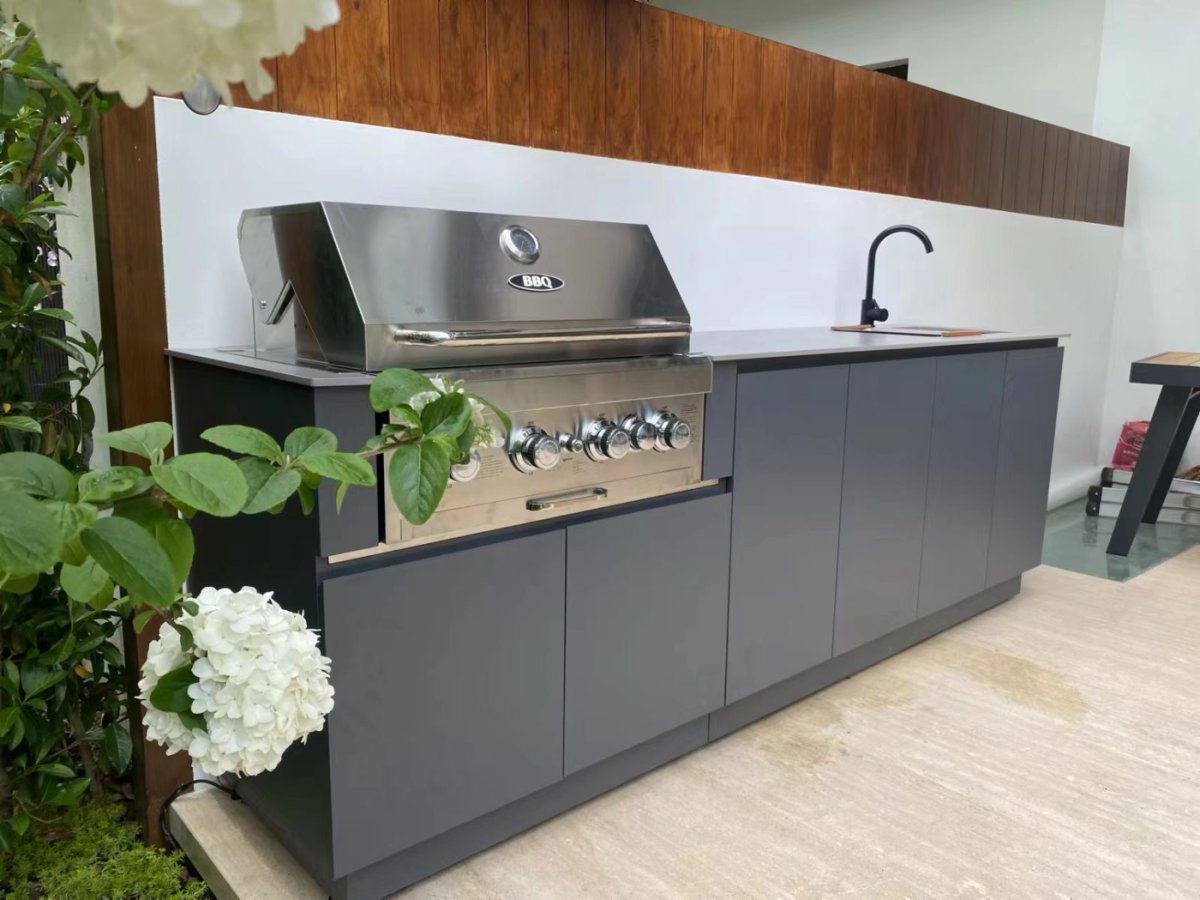
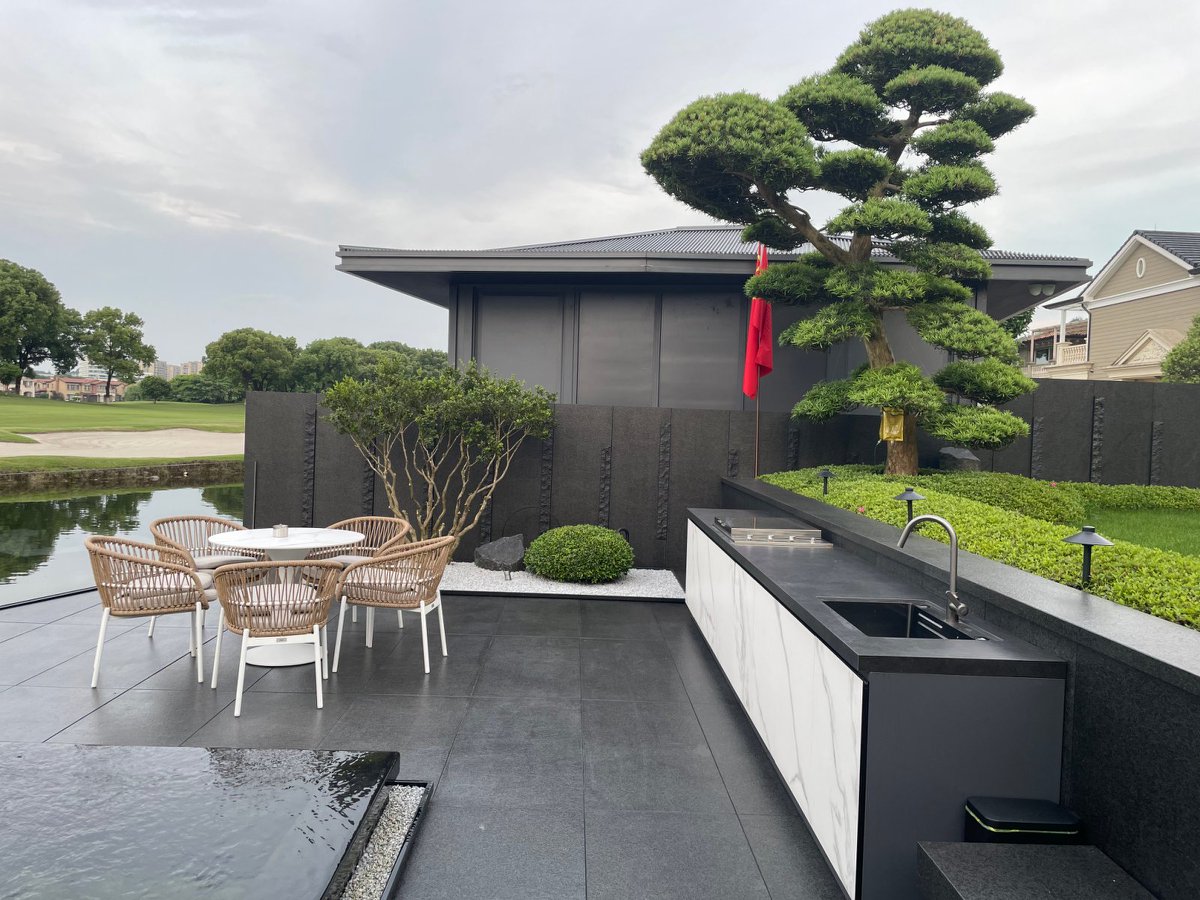
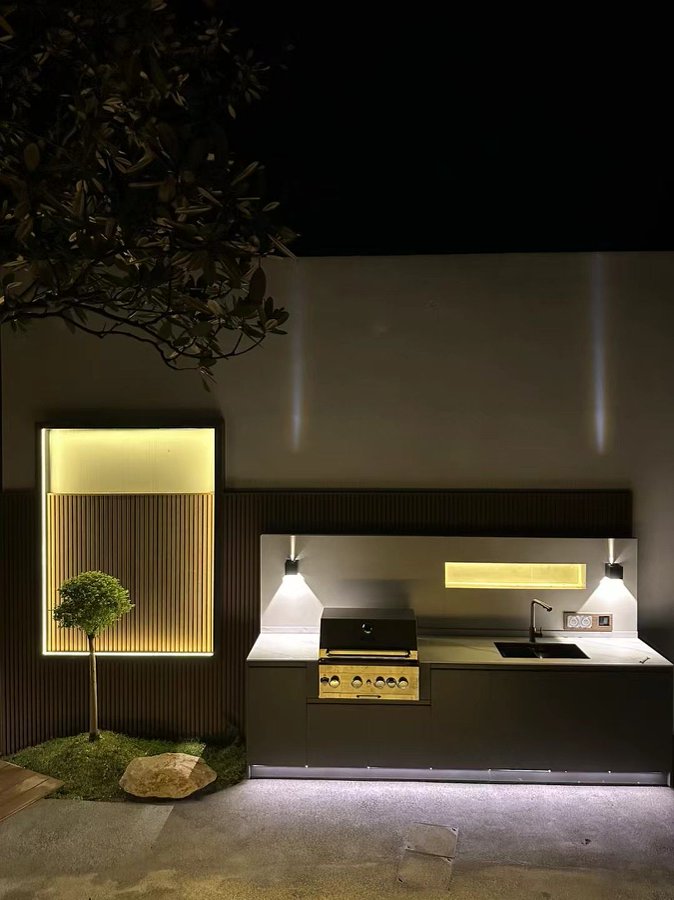
Material Composition: The choice of materials, such as stainless steel, stone, or WPC, directly impacts durability, maintenance, and overall aesthetic appeal. Stainless steel is favored for its corrosion resistance, while stone offers a timeless look. WPC (Wood-Plastic Composite) is increasingly popular due to its sustainability and resistance to weathering. 

Dimensions and Design: Custom barbecue islands vary significantly in size and layout. Ensure that the custom outdoor barbecues dimensions align with your space requirements. Measure the area where the island will be installed, considering clearance for movement and access.  

Customization Options: Manufacturers often provide customizable features such as built-in grills, storage compartments, and seating arrangements. Specify your requirements early in the order process to ensure alignment with your project goals. 

Quality Control Processes: Verify the manufacturer’s quality control standards. This includes assessing their production equipment and testing practices to ensure consistent quality in the final product. 

Export Markets: If you're considering international shipping, confirm compliance with import regulations in your target market. This may include certifications for materials used and adherence to local standards. 

By focusing on these specifications, wholesale buyers can better evaluate potential suppliers and select products that meet their needs. 

Frequently Asked Questions

What customization options are available for barbecue islands?

We offer layout, material, finish, countertop, storage, grill type, sink, and accessory options to match residential or commercial needs.
We use thermowood, WPC, stainless steel, natural stone, and weather-resistant composites selected for durability and low maintenance.
Yes. With 16 years' experience we provide full design, fabrication, and installation services tailored for commercial and high-traffic sites.
Typical lead times range from 4–12 weeks depending on complexity, materials, and site conditions. We provide a timeline after assessment.
Yes. We provide warranty details for materials and workmanship plus maintenance instructions to prolong appearance and performance.

Get a Free Quote

Our representative will contact you soon.
0/1000